Caterpillar acquires Monarch after tractor startup’s layoffs and lawsuits
Caterpillar bought Monarch’s assets after dealer lawsuits, layoffs and a failed autonomy push exposed the gap between ag-tech promises and farm-floor reality.

Caterpillar has acquired the assets of Monarch Tractor, a deal that closes the chapter on a startup that promised to reinvent farm machinery with autonomous electric tractors but instead ran into dealer lawsuits, repeated layoffs and a collapse in confidence from the market it was trying to serve.
Monarch, founded in 2018 by Praveen Penmetsa, Mark Schwager and Carlo Mondavi, built its brand around the MK-V, a “driver optional” tractor aimed at wineries, fruit farms and dairy operators. The company raised more than $200 million over eight years, including a $133 million Series C in July 2024 that it said brought total funding above $220 million and marked the largest funding round in agricultural robotics history. Monarch also said the MK-V could run for up to 14 hours on a swappable battery.
The trouble became harder to ignore in the field. Burks Tractor, an Idaho dealer, sued Monarch in September 2025 for breach of contract and warranty violations after buying 10 tractors for $773,088, financed through the purchase. Burks said the machines were “unable to operate autonomously,” were “defective,” and kept having significant problems after the first five tractors arrived in April 2024 and the remaining five in June 2025. Monarch faced similar pressure from other dealers as confidence in the product slipped.
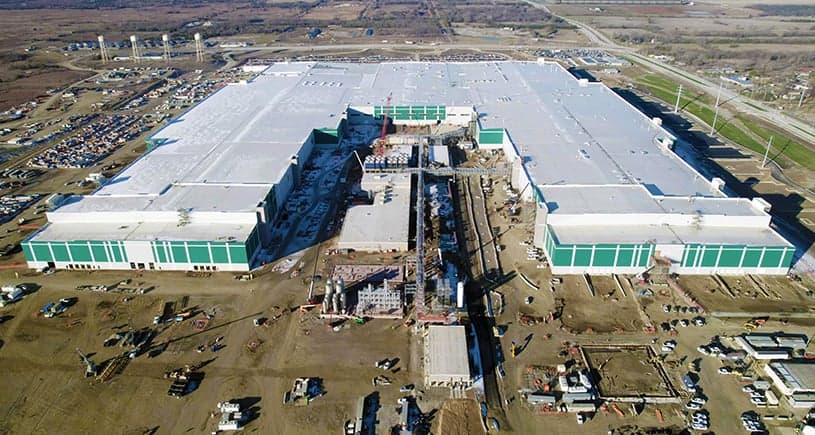
By November 2025, Monarch was warning staff it might lay off more than 100 employees or shut down. The company had already gone through multiple rounds of layoffs over the prior two years, and its manufacturing base weakened further when Foxconn sold the Lordstown, Ohio, factory in August 2025, leaving Monarch without a contract manufacturer. Carlo Mondavi later said he was pushed out after disagreeing with Penmetsa’s software-forward strategy, a sign that the company’s internal debate over hardware versus licensing had turned into a strategic break.
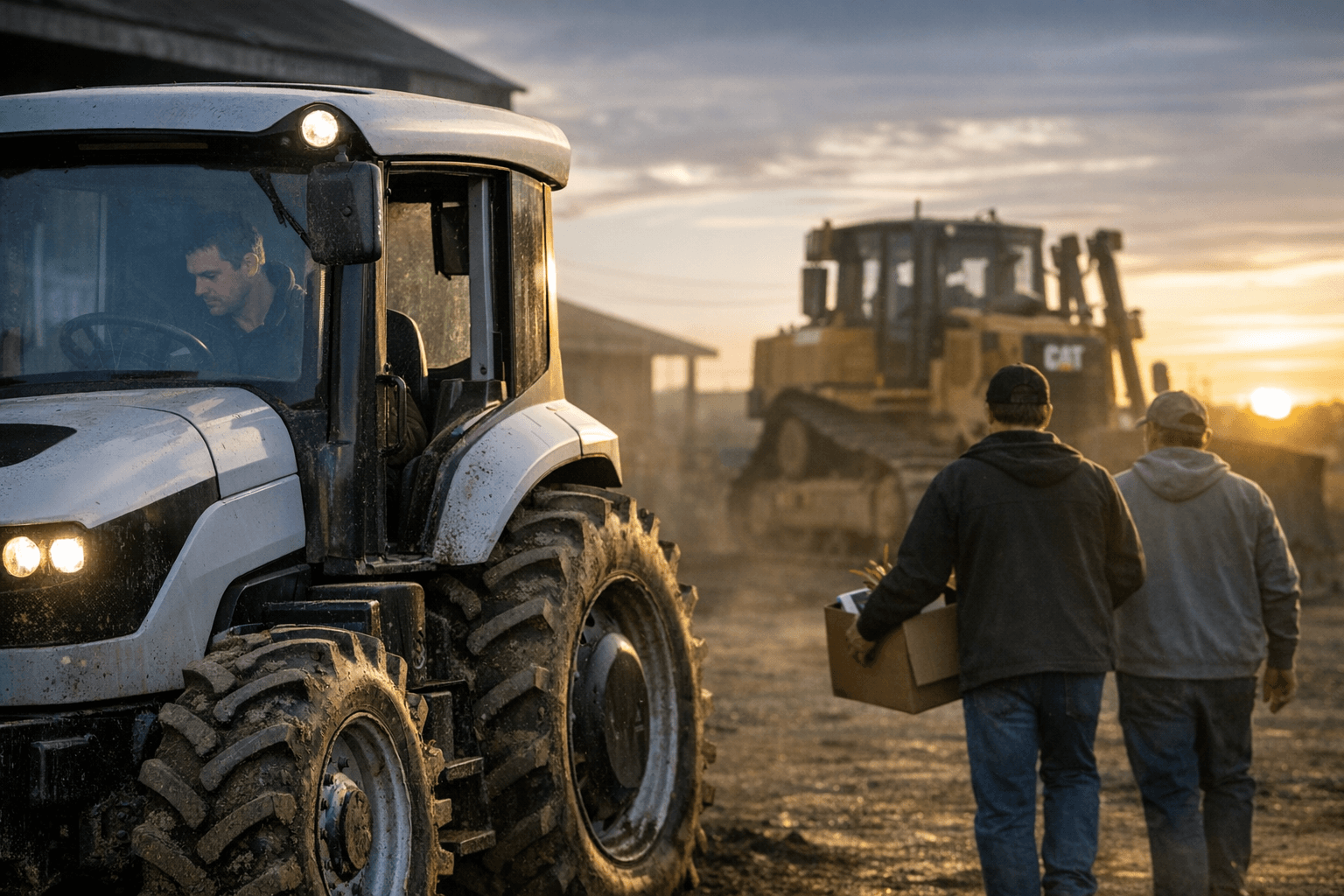
Monarch tried to pivot before the end came. In February 2025, it announced Autodrive, calling it the first commercially available fully autonomous feature in a driver-optional tractor for dairies. Monarch also built early partnerships that gave the company credibility well beyond its size: it said it first delivered an MK-V to Constellation Brands, piloted tractors at Wente Vineyards, and signed a multi-year licensing agreement with CNH Industrial in 2021 that helped lead to the New Holland T4 Electric Power reveal in 2022.
That history helps explain why Caterpillar wanted the remains. Monarch said in April 2026 that it had shifted away from manufacturing to a technology licensing model and that its core software-defined vehicle platform, perception stack and electrification systems had been acquired by a large global equipment manufacturer. For Caterpillar, the value appears to be in Monarch’s underlying autonomy and electrification technology, not in the startup’s troubled path to market. For agriculture, the deal is a reminder that automation can attract huge capital and glossy demos, but adoption still depends on tractors that work reliably on actual farms.
This article was produced by Prism’s automated news system from verified source data, official records, and press releases, then run through automated quality and moderation checks before publishing. The system is built and supervised by the people who set the standards it runs under. Read our full AI policy.
Did this article answer your question?