CBS 48 Hours continues delivering true-crime investigations, airs Saturdays on CBS
A Beaumont mother vanished in 1999; decades later, a tip led investigators to her secret grave, a case that shows why CBS’ “48 Hours” still lands hard.
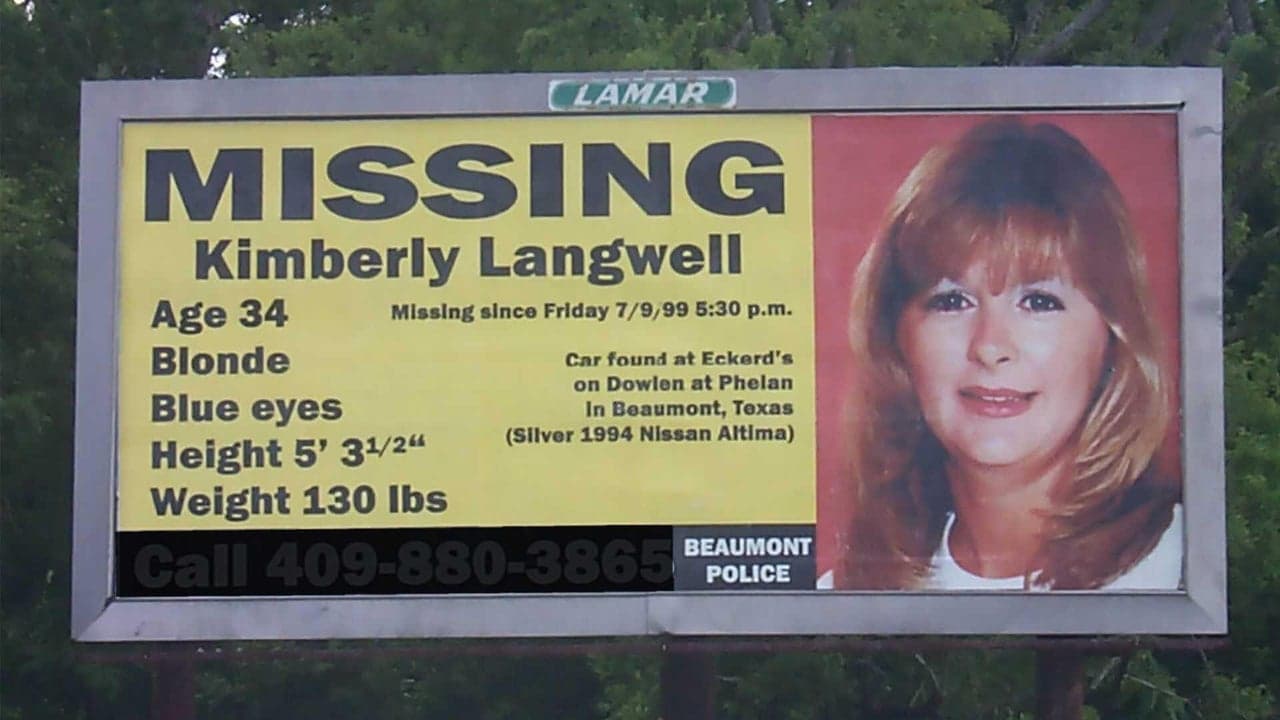
A missing-person investigation that stretched across decades and ended at a hidden grave is the latest reminder of what keeps “48 Hours” a Saturday-night fixture: real people, real stakes, and justice systems that can move too slowly for families left behind.
The CBS News documentary and newsmagazine series, on the air since Jan. 19, 1988, typically airs Saturdays at 10/9c on CBS, with streaming on Paramount+. CBS also rotates “48 Hours” across additional platforms, including the CBS News app and a free, advertiser-supported “48 Hours” streaming channel, while the network’s official episode schedule flags when sports or special programming pushes the start later than 10/9c. CBS’ own promo line captures the brand identity: “True crime. Real justice. To miss it would be a crime.”
The most recent “all new” episode, “Kimberly Langwell’s Hidden Grave,” followed the disappearance of 34-year-old Kimberly “Kim” Langwell of Beaumont, Texas, who failed to come home on July 9, 1999. Her car was found the next day in a strip mall lot outside an Eckerd Pharmacy; her daughter, Tiffani McInnis, was 15 at the time. “48 Hours” correspondent Peter Van Sant reported the case, which aired April 11 and started at 10:18 p.m. after UFC 327. Why it matters: disappearances reverberate as a public health crisis, with long-term trauma for children and caregivers and accountability questions when early leads go cold.
A week earlier, CBS ran an April 4 double feature anchored by “The Root Beer Float Murder,” also reported by Van Sant. The episode centered on Harold Allen, a 52-year-old from Freetown, Indiana, who had serious health problems, including diabetes, before his death on Dec. 20, 2022. Why it matters: when poisoning is camouflaged as illness, it tests both medical systems and investigators, raising hard questions about detection, coercive control, and how families and clinicians piece together risk.
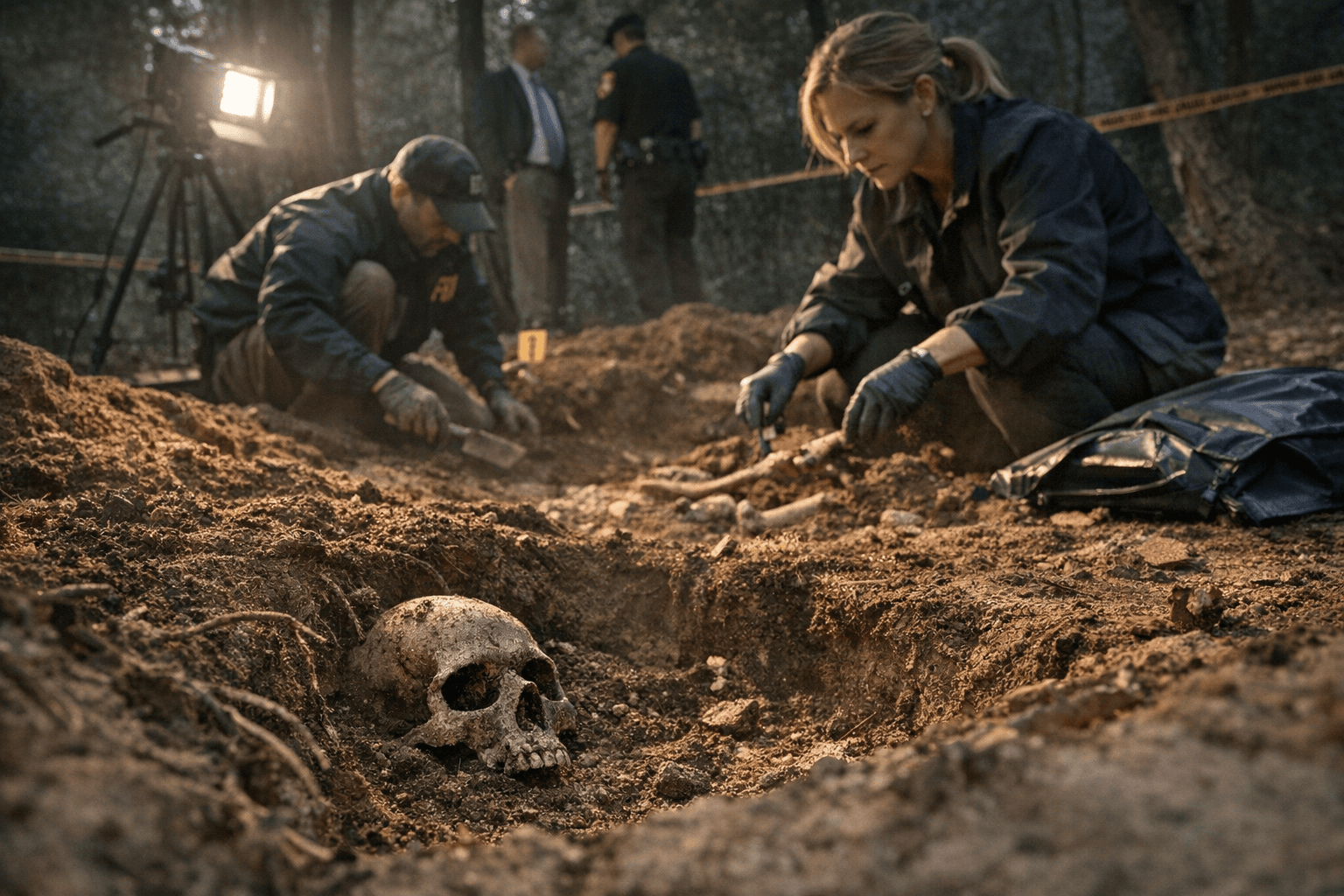
That double feature also included “The ‘No Body’ Case of Dee Warner,” with correspondent Erin Moriarty, examining what it takes to prove homicide when remains are missing or contested. The broader case has since turned on major legal consequences: Dee Warner was reported missing in April 2021, her remains were found in August 2024 in a fertilizer tank on Dale Warner’s property, and a jury found Dale Warner guilty of second-degree murder and tampering with evidence on March 10, 2026, with sentencing scheduled for May 7. Why it matters: “no body” prosecutions force courts to weigh circumstantial evidence and expose the gaps families face when money, property, and power collide with accountability.
CBS has set “48 Hours” for its season finale on Saturday, May 16, continuing a run that remains rooted in one question viewers can take into every episode: who is being protected, who is being doubted, and what facts finally force systems to act.
Know something we missed? Have a correction or additional information?
Submit a Tip