CBS 60 Minutes examines McDowell County poverty and unsafe drinking water
CBS 60 Minutes will air a segment this Sunday on McDowell County, where roughly 17,600 people live and 33% of residents are below the poverty line while many homes lack safe drinking water.

CBS 60 Minutes will air a segment this Sunday on McDowell County, West Virginia, one of America's poorest regions just 350 miles from D.C., where many homes lack safe drinking water. The preview frames a stark contrast: McDowell is "rich with water," yet residents still go without clean taps.
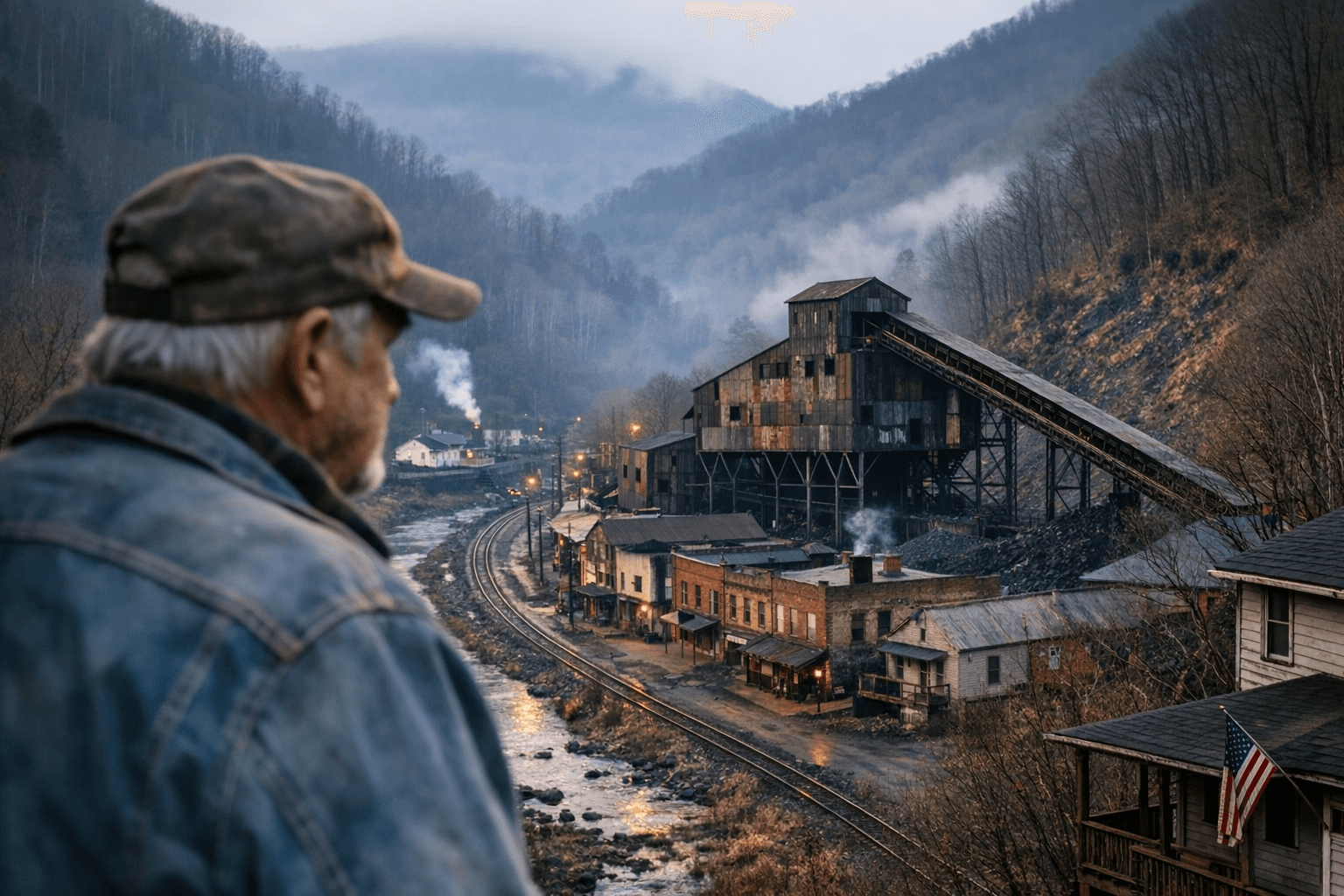
The county's landscape is defined by rivers and streams that "course through dense forests," but geography and aging systems complicate delivery. Reporters describe how "a confluence of economic decline, aging infrastructure and rugged terrain has made it an uphill fight to bring that water to people's taps," leaving entire pockets of the county dependent on compromised household supplies.
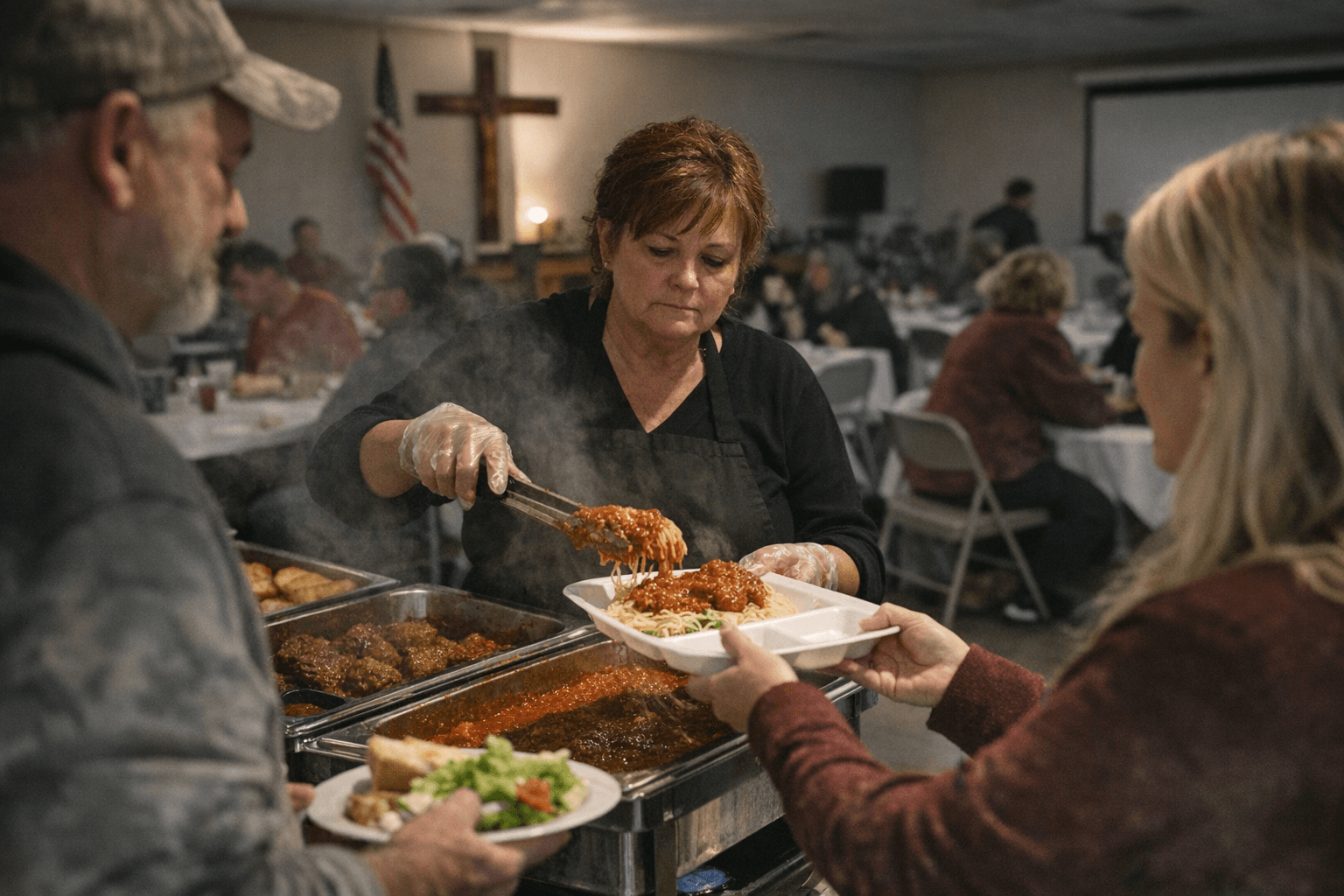
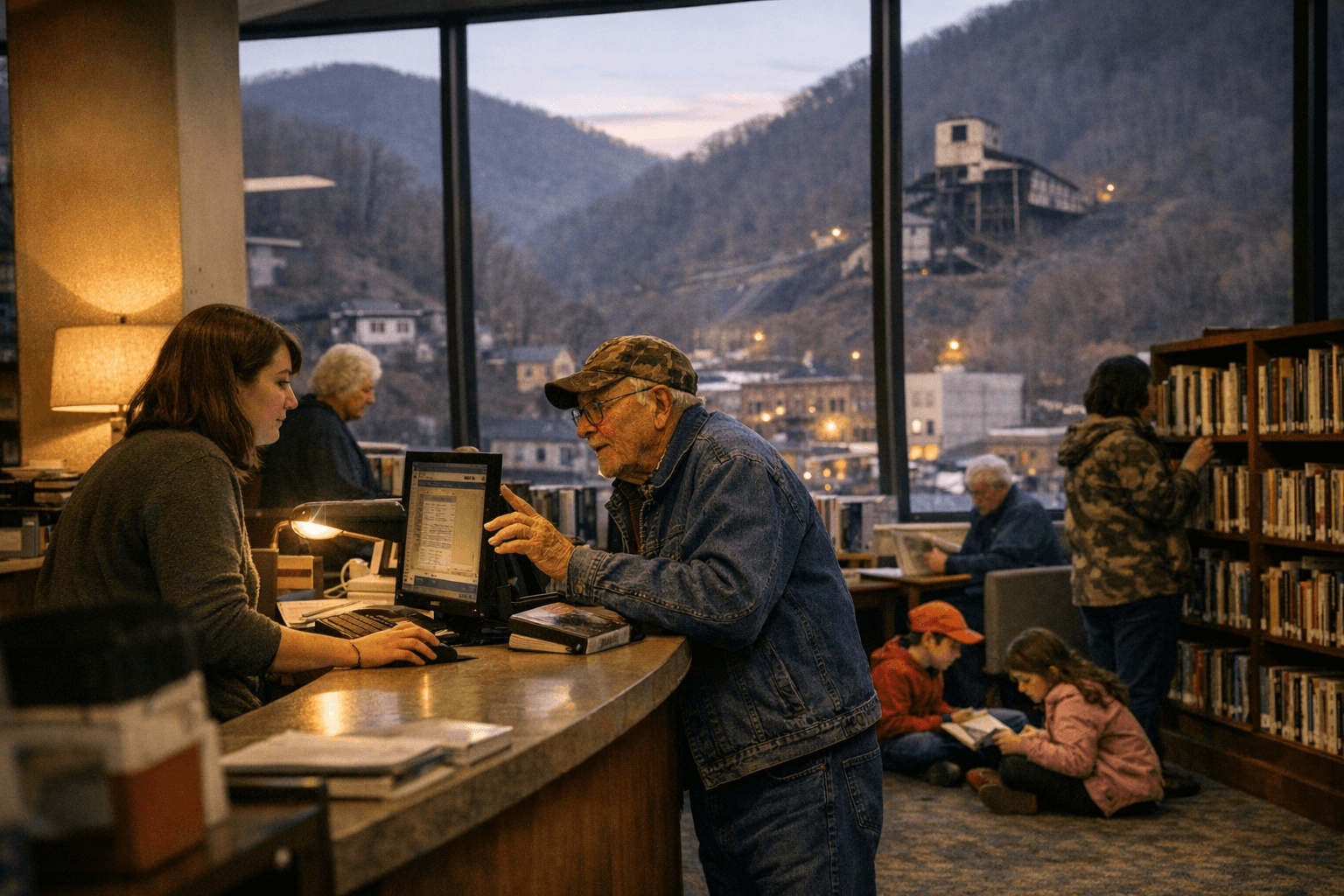
McDowell's decline traces to midcentury industrial shifts. "Seventy years ago, more than 100,000 people called McDowell home," and in the 1950s "its mountains produced more coal than any other U.S. county." The middle class grew then, towns once boasted department stores, restaurants and movie theaters, but "as the coal industry mechanized in the '60s, mines began shutting down," and "McDowell was hit again 20 years later, when the decline of the American steel industry took many of the remaining jobs."
Those economic shocks feed directly into today's infrastructure gap. The county's population "now hovers somewhere around 17,600 people," and "thirty-three percent of its population lives below the poverty line." The dearth of opportunity "has forced an exodus of young and working-age people, leaving behind a graying population and a minimal tax base to fund development and infrastructure." That shrinking tax base limits local government capacity to repair or replace water lines and treatment systems.
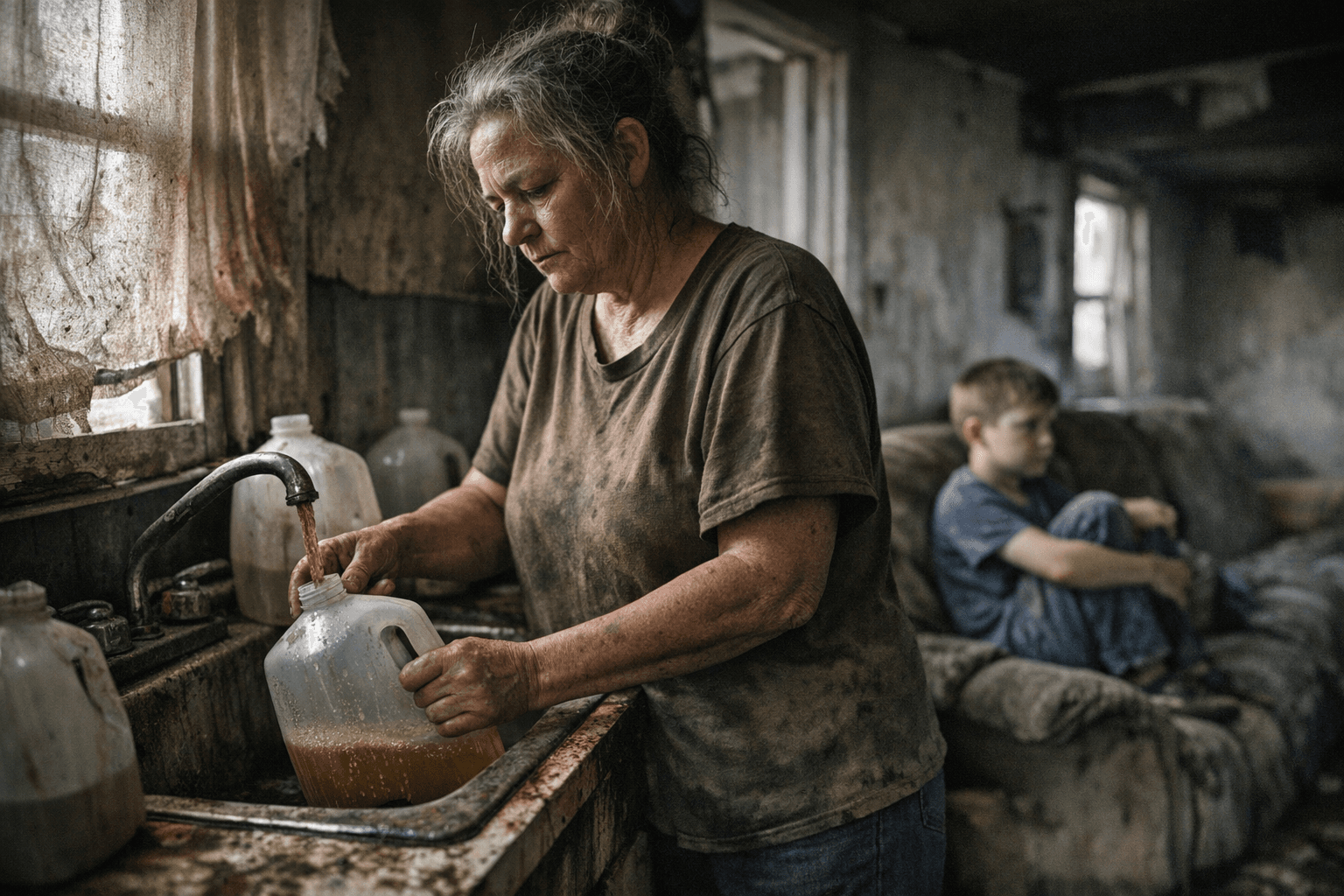
The human toll is visible in homes. In one account, "the water leaves behind a thick sludge and a rash across Berlyn's skin." Nationally, organizations working in the field place the problem in wider context: "An estimated 2 million Americans live without access to either safe drinking water, indoor plumbing or basic sanitation, according to DigDeep, a nonprofit that works to bring water to Americans without it." George McGraw, founder and CEO of DigDeep, warns, "This is absolutely at an individual, community, and nation level a crisis."
The CBS preview also adds a policy angle, saying "the birthplace of food stamps faces potential federal cuts, highlighting rural America's struggles." That line links local water and poverty conditions to broader federal policy debates about social-safety-net funding and rural investment.
Ending that crisis, especially in McDowell County, is a complex task. The county's combination of rugged terrain, aging infrastructure, a reduced tax base and lingering public-health impacts will demand substantial capital, long timelines and coordinated state and federal action to restore safe drinking water to the households still waiting for reliable taps.
Sources:
Know something we missed? Have a correction or additional information?
Submit a Tip