CBS airs shelved 60 Minutes investigation into CECOT deportations
CBS aired a delayed 60 Minutes investigation into CECOT, a Salvadoran mega-prison holding US-deported migrants. The broadcast reignites concerns about editorial independence and deportation policy.

CBS’s 60 Minutes airs a long-delayed investigative segment titled “Inside CECOT,” bringing renewed scrutiny to conditions at a maximum-security prison in El Salvador where hundreds of migrants deported by the United States were held. The broadcast, reported by Sharyn Alfonsi and shown on the night of Jan. 18-19, 2026, had been pulled from a December schedule in a move that set off an internal dispute over editorial control and political pressure.
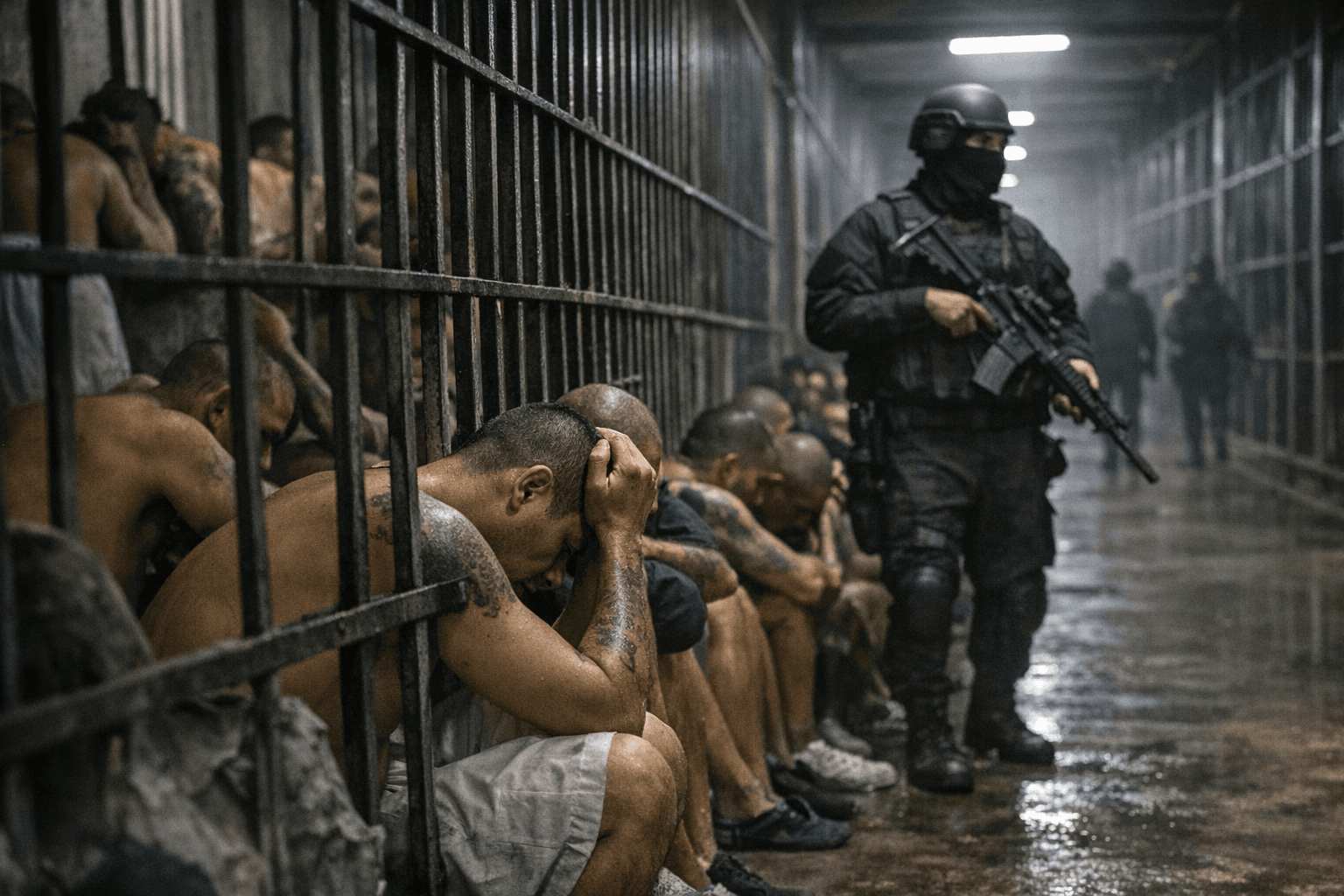
The piece profiles Venezuelan men who say they were sent to CECOT last year despite having little or no ties to El Salvador and in some cases no criminal records. Detainees interviewed describe conditions inside the facility as brutal and torturous, and the segment portrays human rights groups’ long-standing condemnation of CECOT’s harsh treatment of prisoners. One report cited a specific figure of 252 Venezuelan deportees sent to the prison last spring, while other accounts describe the number more generally as “hundreds.”
The broadcast includes brief archival clips of former President Donald Trump saying prison operators “don’t play games,” and of White House press secretary Karoline Leavitt asserting those sent there were “heinous monsters, rapists, murderers, sexual assaulters, predators who have no right to be in this country.” Alfonsi sought comment repeatedly from administration officials, but multiple sources say the government declined to provide detailed records on the migrants sent to El Salvador.
The program’s airing follows a contentious decision to withhold the story on Dec. 21, 2025, by CBS News editor in chief Bari Weiss, who said the segment “required additional reporting.” Internally, that move split the newsroom. Alfonsi protested and in an internal memo called the hold “corporate censorship.” Other staffers described alarm that a high-profile investigative piece, which had been publicly promoted and appeared close to final, was shelved at the eleventh hour. Sources also noted that Alfonsi’s contract at CBS was set to expire in a few months.
When the piece finally ran, CBS said leadership “has always been committed to airing the 60 MINUTES CECOT piece as soon as it was ready.” The January version was largely unchanged from the originally intended December broadcast but included roughly three minutes of new reporting, including additional material about a detainee’s tattoo. A prior cut of the segment had circulated outside the network, including on a Canadian broadcaster and later in an unauthorized online upload, complicating the network’s internal debate.
Alfonsi also revised her introduction to lead with a Jan. 3 U.S. raid that she presented as having “led to the capture of Venezuelan President Nicolas Maduro, currently held in U.S. custody,” and she altered the story’s ending to incorporate the administration’s comment and its explanation for not providing detailed records. Those editorial choices, and the public tug-of-war over the story, have reverberated beyond the newsroom.
The episode underscores growing tensions at legacy media outlets as they navigate investigative rigor, corporate governance and political scrutiny. For CBS and its parent company, the episode poses reputational and business risks: audiences and advertisers sensitive to perceptions of editorial independence may reassess trust in a network whose leadership decisions are now being viewed through a political and regulatory lens. Equally, the broadcast refocuses public attention on U.S. deportation policy, human rights standards abroad and the social consequences for migrants sent to foreign facilities that critics say lack transparency and due process.
This article was produced by Prism’s automated news system from verified source data, official records, and press releases, then run through automated quality and moderation checks before publishing. The system is built and supervised by the people who set the standards it runs under. Read our full AI policy.
Did this article answer your question?