CBS News fires Scott Pelley after tense clash with 60 Minutes producer
CBS News fired Scott Pelley a day after his clash with new 60 Minutes executive producer Nick Bilton, jolting a flagship program built on editorial independence.
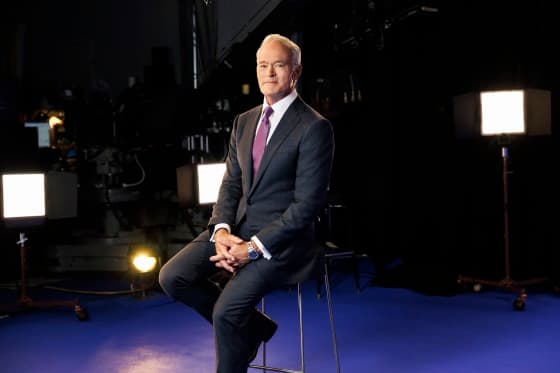
CBS News fired longtime 60 Minutes correspondent Scott Pelley one day after he had a tense, confrontational exchange with new 60 Minutes executive producer Nick Bilton. The move lands on June 3, 2026, and immediately turns an internal dispute into a public test of who sets the tone at one of the most influential brands in American television news.
Pelley was not just another on-air reporter. He was a longtime 60 Minutes correspondent and a former CBS Evening News anchor, a résumé that made him one of the most recognizable figures in the CBS News stable. His removal after a clash with Bilton, who only recently took over as executive producer, suggests that the network is now willing to redraw the balance of power between its journalists and management with little warning.
That matters because 60 Minutes has long sold itself on a reputation for independence, scrutiny, and hard-edged reporting. When a veteran correspondent exits under these circumstances, the message inside and outside the newsroom is bigger than one personnel decision. It raises the question of whether editorial judgment still sits with the reporters and producers who built the broadcast’s identity, or whether the people now controlling the program are more concerned with discipline, tone, and internal compliance.
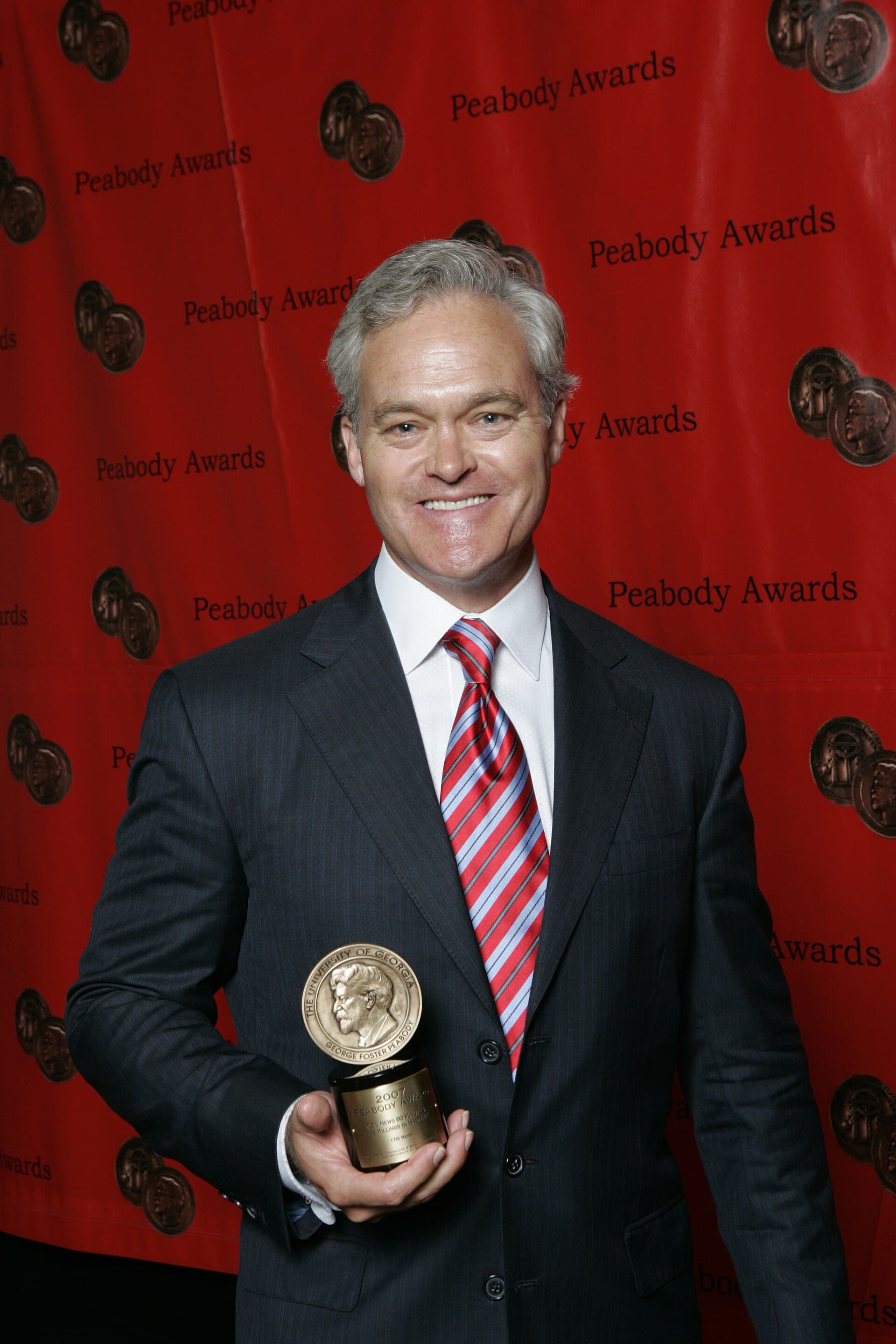
The stakes extend beyond CBS. Legacy broadcast journalism has been under pressure for years as audiences drift, trust erodes, and corporate owners demand stability from news divisions that depend on credibility. If viewers believe a flagship program can be reshaped by a confrontation between a veteran correspondent and a newly installed executive producer, the damage is not limited to one hour of television. It reaches the broader argument over whether America’s most established news brands still protect reporting culture, or whether they now answer first to managerial control.
This article was produced by Prism’s automated news system from verified source data, official records, and press releases, then run through automated quality and moderation checks before publishing. The system is built and supervised by the people who set the standards it runs under. Read our full AI policy.
Know something we missed? Have a correction or additional information?
Submit a Tip