CBS News Sunday Morning previews Marilyn Monroe, Jill Biden and the Undercroft
Marilyn Monroe, Jill Biden and the Lincoln Memorial’s hidden chamber lead a lineup that mixes nostalgia, politics and public affairs for a broad Sunday audience.
A Sunday lineup built for the largest possible audience
CBS News Sunday Morning returns with a broad, carefully calibrated mix of culture, politics and public affairs anchored by Jane Pauley and slated for 9:00-10:30 a.m. ET on the CBS Television Network. The program also streams on Paramount+ and the CBS News app, extending a legacy broadcast format into the digital habits of viewers who still value a slower, magazine-style hour on television.
The May 31 edition makes the network’s editorial instincts especially clear. Instead of narrowing to one subject, the show spreads its attention across multiple entry points, from Marilyn Monroe’s enduring image to Jill Biden’s post-White House reflections, from the Lincoln Memorial’s hidden architecture to a 19-year-old pickleball champion. That balance is the point: the broadcast is designed to serve viewers who want national conversation without the churn of cable-news pace.
Marilyn Monroe as a centennial cultural touchstone
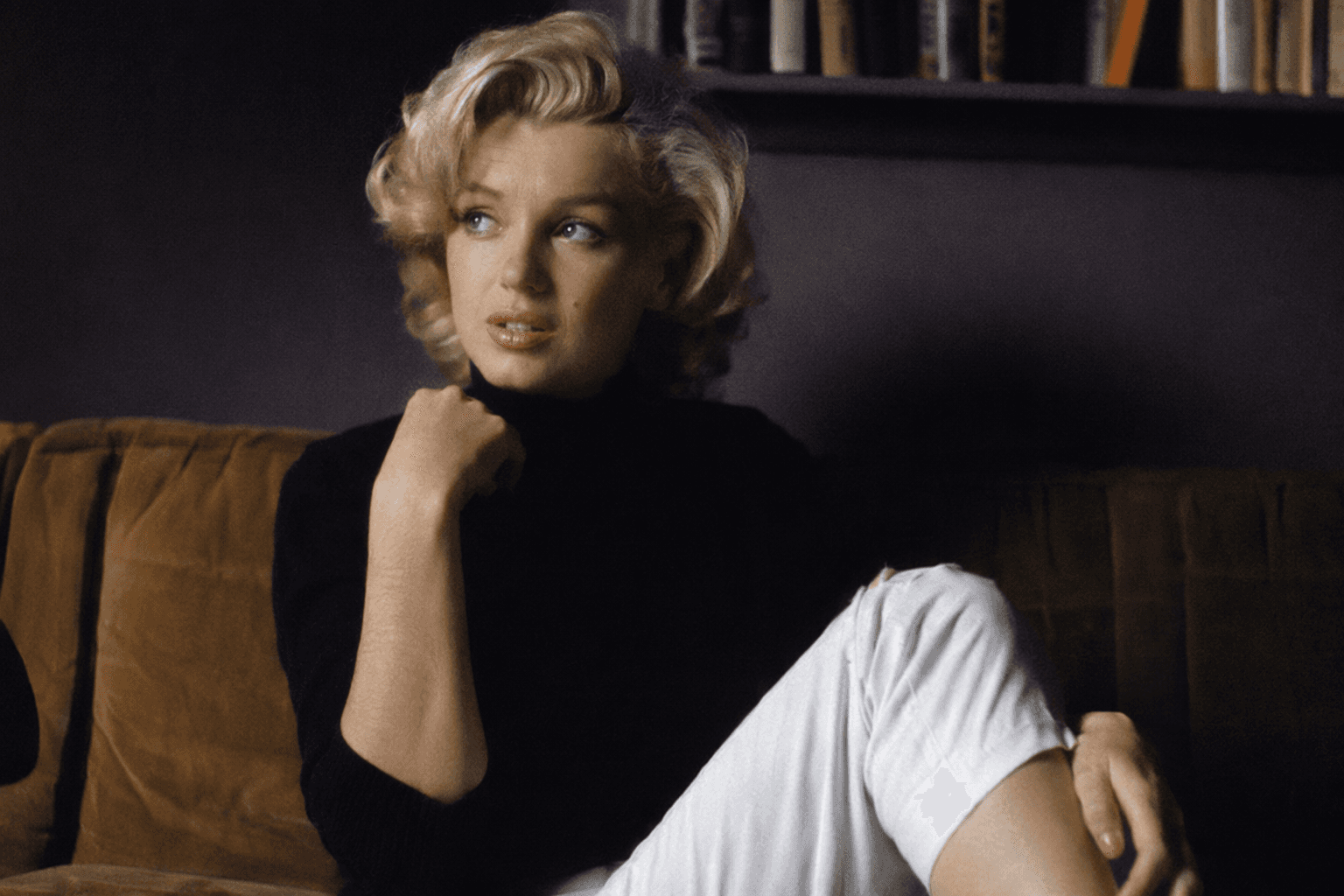
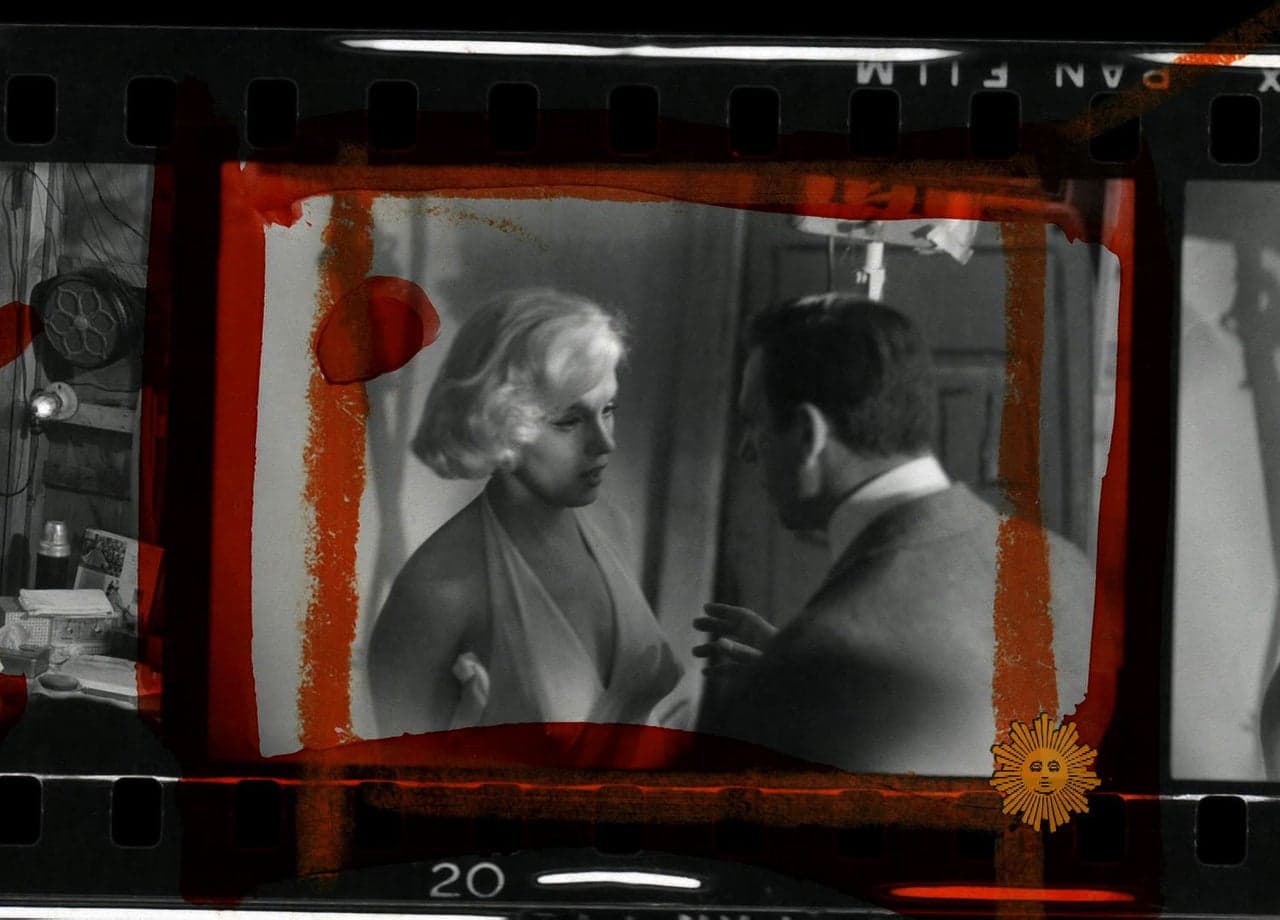
Tracy Smith opens one of the episode’s most recognizable cultural threads with a segment on Marilyn Monroe, whose life and legacy continue to carry unusual force nearly seven decades after her death. The timing matters: Monroe would have turned 100 on Monday, June 1, 2026, giving the piece a built-in moment of reflection around a figure who remains both cinematic icon and American mythology.
A segment like this speaks to the show’s core strength, which is not simply nostalgia but interpretation. Monroe is not just a celebrity profile here. She becomes a way to revisit how the country remembers beauty, fame and vulnerability, and why certain images endure across generations even as the public conversation around them changes. In a national Sunday morning slot, that blend of history and emotion is exactly the kind of subject that still draws broad interest.
Jill Biden on politics, private life and the next chapter
Rita Braver’s conversation with former first lady Dr. Jill Biden gives the episode its most immediate political dimension. Biden discusses President Joe Biden’s 2024 re-election bid, life outside the White House and her new book, which places the interview at the intersection of campaign history, public service and personal reinvention.
That combination is especially revealing about the program’s audience strategy. The segment is not framed only as a political postmortem, nor only as a book-tour stop, but as a portrait of how a former first family recalibrates after leaving the center of power. For viewers who followed the Biden years closely, the discussion offers context on one of the most consequential campaigns in recent memory. For casual viewers, it promises an accessible, human-scale look at what comes after the official residence and the daily machinery of governing.
The show’s eye for hidden places and unexpected communities
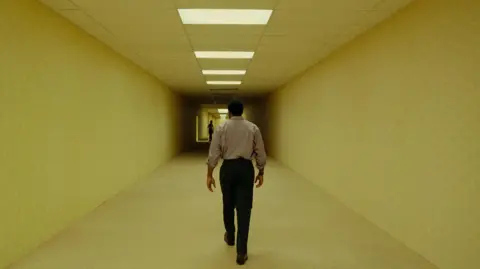
Faith Salie’s report on the Undercroft beneath the Lincoln Memorial leans into one of Sunday Morning’s signature strengths: making an unfamiliar place feel nationally meaningful. The Undercroft, hidden below one of the country’s most visible monuments, is the kind of subject that lets the show turn architecture into storytelling and public space into a broader meditation on what Americans notice, and what they walk past.
Jonathan Vigliotti’s profile of a 19-year-old pickleball champion serves a different purpose, but it fits the same editorial pattern. Pickleball has often been framed as a sport associated with older players, yet the choice to focus on a teenager underscores how quickly the game’s culture has broadened. By centering a young champion, the segment signals that the sport’s reach now extends well beyond its early reputation, giving viewers a glimpse of how fast-moving recreational trends can turn into serious competition.
Public affairs with a human lens
Jim Axelrod’s report from the immigrant detention center in Dilley, Texas, shifts the program into harder public affairs territory. The segment examines the impact on families, especially children, making the issue less abstract and more immediate by focusing on the human consequences of detention. That approach is consistent with Sunday Morning’s long-standing method of translating policy debates into lived experience, which is often the format’s most effective way of reaching a wide audience.
Dr. Jon LaPook’s visit to the Human Library in Denmark offers a different kind of social reporting, one that is built around conversation rather than conflict. Visitors can check out half-hour conversations with experts on a range of topics, an idea that turns public curiosity into a literal library of lived experience. In a broadcast lineup filled with bigger national themes, the Human Library segment provides a reminder that civic understanding can also come from structured dialogue and direct listening.
Nancy Giles’ contribution, examining the Harlem Renaissance as part of the series celebrating the country’s 250th anniversary, gives the episode a historical frame that connects culture to national identity. The Harlem Renaissance remains one of the most important artistic and intellectual movements in American history, and placing it within the 250th-anniversary series signals that the program is not treating the milestone as a ceremonial marker alone. It is using the anniversary to revisit the people and movements that helped define the country’s cultural vocabulary.
What the lineup says about Sunday Morning
Taken together, the May 31 broadcast shows why CBS News Sunday Morning remains a durable part of the television landscape. The episode combines legacy-name recognition, such as Marilyn Monroe and Jill Biden, with reporting on overlooked spaces, younger cultural shifts and serious public issues. That mix reflects a broad broadcast philosophy: meet viewers where their curiosity already lives, then widen the frame.
Executive producer Rand Morrison and the show’s editorial team are clearly packaging the episode for maximum national resonance. The lineup speaks to older viewers who grew up with the network’s magazine style, but it also reaches younger audiences through pickleball, book culture and the human-interest promise of hidden spaces and unusual institutions. In a fragmented media market, that balance is the real story, a reminder that Sunday Morning still understands how to turn a single broadcast into a cross-section of American attention.
This article was produced by Prism’s automated news system from verified source data, official records, and press releases, then run through automated quality and moderation checks before publishing. The system is built and supervised by the people who set the standards it runs under. Read our full AI policy.
Know something we missed? Have a correction or additional information?
Submit a Tip