CBS News Sunday Morning previews Patti LaBelle, car shows and Iran propaganda
Patti LaBelle, California’s split-screen car culture, and Ted Koppel’s look at Iran’s online influence give this Sunday Morning its sharpest through line: image, performance and persuasion.
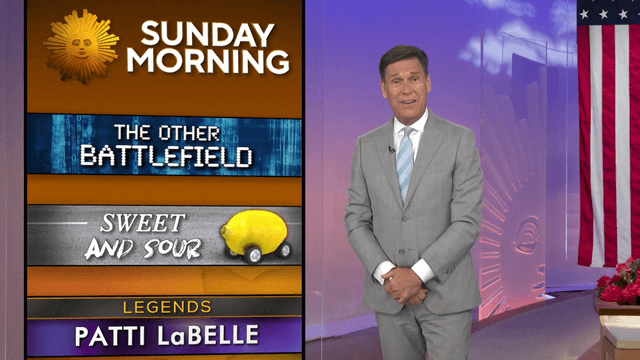
CBS News Sunday Morning brings together spectacle, memory and political messaging in a lineup that is unusually coherent beneath its variety. Lee Cowan anchors the 9:00-10:30 a.m. ET broadcast on CBS Television Network, with the program also streaming on Paramount+, and executive producer Rand Morrison steering the hour.
A morning built around image and influence
The strongest thread running through the broadcast is how people and institutions present themselves to the world. From immaculate automobiles and deliberately unserious junkers to a legendary singer who has stayed in view for six decades, the hour keeps returning to the question of what endures, what gets celebrated and what audiences choose to believe. That makes the episode feel less like a grab bag of features and more like a study in public performance, whether the stage is a concours field, a concert hall or the internet.
Ted Koppel’s “PROPAGANDA” segment sharpens that theme by moving from culture to geopolitics. His report examines how Iran is using AI, satire and viral social media to outmaneuver the United States in the online propaganda war, where clicks can matter more than facts and the most powerful weapon may be the message people want to believe. In a media environment where attention is a currency, the segment asks a blunt civic question: who shapes perception first, and who gets left reacting after the narrative has already hardened?
The car story is really about values
Lee Cowan’s “SWEET AND SOUR” is more than a profile of automotive beauty. It contrasts The Concours d’Elegance, widely considered the most prestigious car show in the world, with The Concours d’Lemons, a celebration of the unloved, the junkers and the failures of the automotive world. The two events take place on the same weekend, only a few miles apart in California, which gives the segment a built-in argument about taste, status and how Americans assign meaning to objects.
That contrast matters because it turns the car world into a miniature cultural map. One event rewards restoration, rarity and perfection, while the other embraces rust, bad design and comic disappointment. Together they suggest that enthusiasm is not only about aspiration but also about humor, nostalgia and a willingness to laugh at the things that did not turn out as planned.
Patti LaBelle remains the standard for staying power
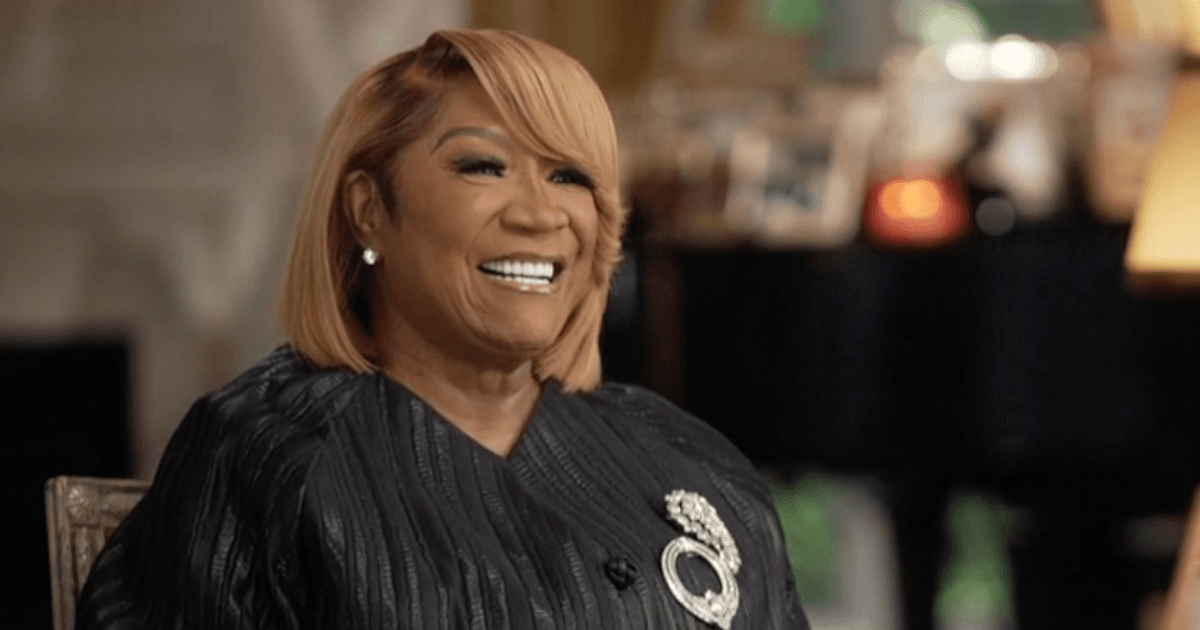
Tracy Smith’s “LEGEND: PATTI LABELLE” brings the hour back to performance, but with a different kind of authority. LaBelle has been performing for six decades, a span that makes her not just a star but a witness to changing eras in American music, style and celebrity. The segment is likely to resonate because LaBelle’s career has always combined technical command with a larger-than-life presence, and that mix has kept her relevant across generations.
The value of the segment lies in that continuity. A performer who has remained visible for six decades carries more than nostalgia; she represents the durability of live performance in a media culture that now rewards quick attention and short memories. For viewers, that can mean a look at what sustained excellence looks like when the marketplace keeps changing around it.
A cake picnic with outsized scale and imagination
Faith Salie’s “PIECE OF CAKE” offers the kind of human-scale oddity that Sunday Morning handles well. The segment follows Elisa Sunga, who never saw a cake in her life until she was 14 years old and is now behind an international touring cake picnic where hundreds to thousands of cakes are often brought to the table. That detail alone gives the story unusual texture: something once unfamiliar becomes the organizing idea for a communal, highly visual event.
The scale is part of the appeal. Hundreds to thousands of cakes is not a metaphor, it is the point, and it turns the segment into a story about abundance, artistry and the social power of shared rituals. In the larger context of the broadcast, the cake picnic adds a lighter but still revealing counterpoint to the more serious stories about heritage, identity and persuasion.
John McWhorter in conversation on language, culture and race
Mo Rocca’s “IN CONVERSATION: JOHN MCWHORTER” offers a different kind of public-intellectual energy. McWhorter, a New York Times columnist, linguist, author and Columbia University professor, has built a reputation for weighing in on everything from language to pop culture to race. That range matters because his work lives at the intersection of scholarship and public debate, where clarity and provocation often collide.
A segment like this tends to reward viewers who want more than commentary by sound bite. McWhorter’s presence signals an hour interested in how language frames social conflict, how cultural arguments get formed and why some voices become indispensable interpreters of the moment. In an episode already concerned with persuasion, his perspective should help explain how ideas travel and why certain arguments stick.
The rest of the lineup widens the lens
Luke Burbank’s “MAKING WAVES” looks at Miami Beach’s newest art installation, Reefline, which sits twenty feet below the ocean’s surface. The location alone suggests a piece that is as much about place and preservation as it is about spectacle, and the underwater setting gives the segment a strong visual identity. Conor Knighton’s “OUT OF THE WILD” turns to coyotes and what makes the predators so successful living among us, a subject that blends ecology, adaptation and the uneasy coexistence between human spaces and wildlife.
Taken together, those stories give the hour a broad but disciplined shape. The broadcast moves from a prestigious car show and its gleeful counterpoint to a music legend, a cake-centered social phenomenon, a public intellectual, a state-backed information war, an underwater art installation and the survival instincts of coyotes. The unifying idea is not simply variety, but the many ways people build systems of meaning, then ask others to trust them.
For viewers, that is what makes this edition of Sunday Morning worth the hour and a half. It is a curated look at how performance, prestige and persuasion operate across American culture and international politics, with enough personality to entertain and enough substance to linger after the credits roll. The lineup is subject to change.
Know something we missed? Have a correction or additional information?
Submit a Tip