CDC activates emergency response to stop New World screwworm spread
CDC raised a Level 3 emergency response after screwworm turned up in a Texas calf and a New Mexico dog, putting ranchers and border surveillance on alert.
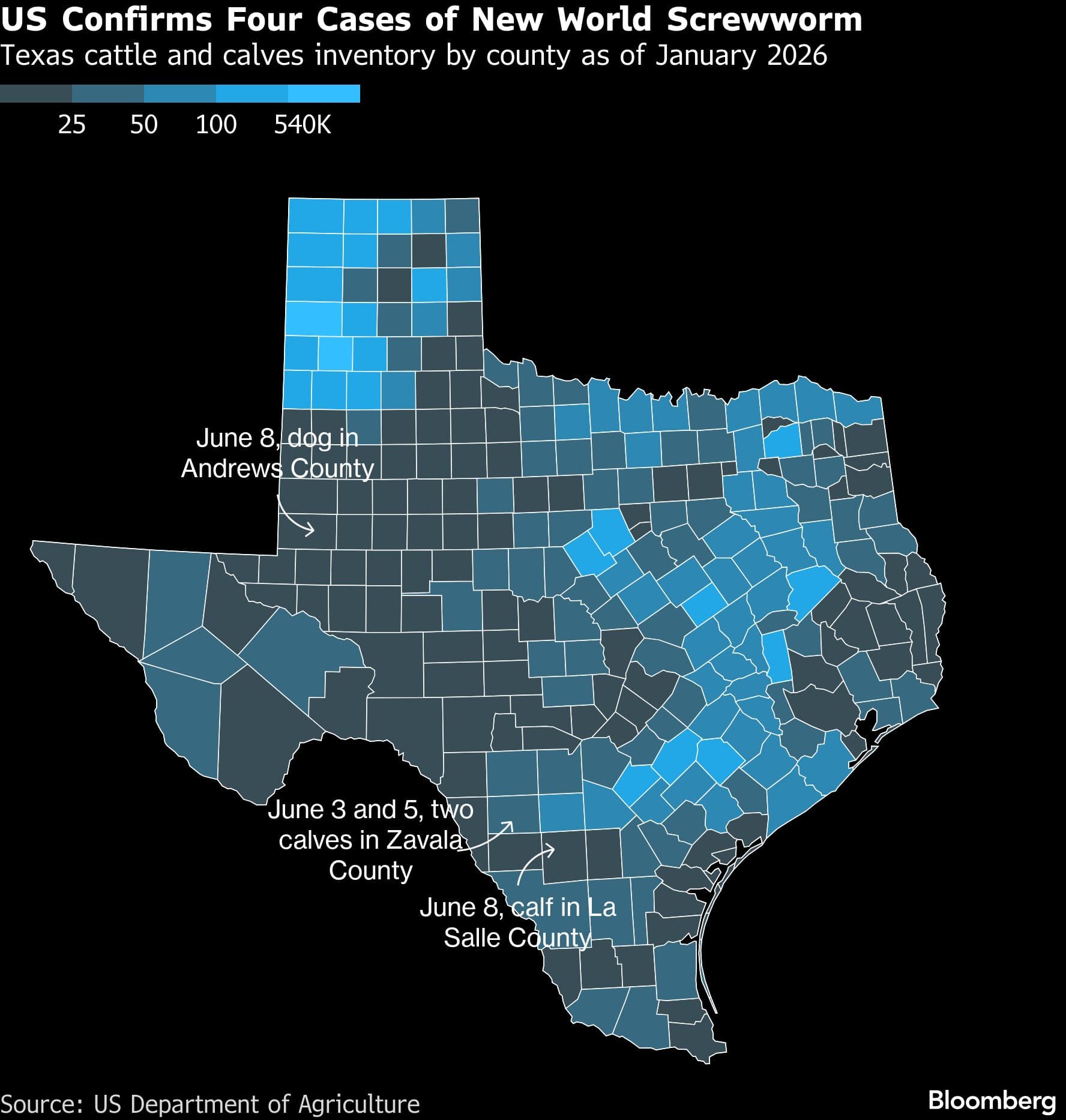
The Centers for Disease Control and Prevention activated a Level 3 emergency response on June 11 to help contain New World screwworm after detections in southern Texas and one county in New Mexico. The move, the lowest tier in the CDC’s three-level response structure, is meant to speed coordination with the U.S. Department of Agriculture and the Texas Department of State Health Services as officials try to keep the parasite from regaining a foothold in the United States.
That matters far beyond an animal health bulletin. New World screwworm, the fly Cochliomyia hominivorax, lays larvae that infest wounds and feed on living tissue. CDC says infestations can begin in skin breaks, even very small ones, and can also affect the eyes, ears, nose, mouth, genitals and anorectal area. The agency says the outbreak has been moving northward through Central America and Mexico since 2023, mostly affecting livestock, pets and wildlife, although people can also be infected. CDC says no locally acquired human infestations have been reported in the United States.
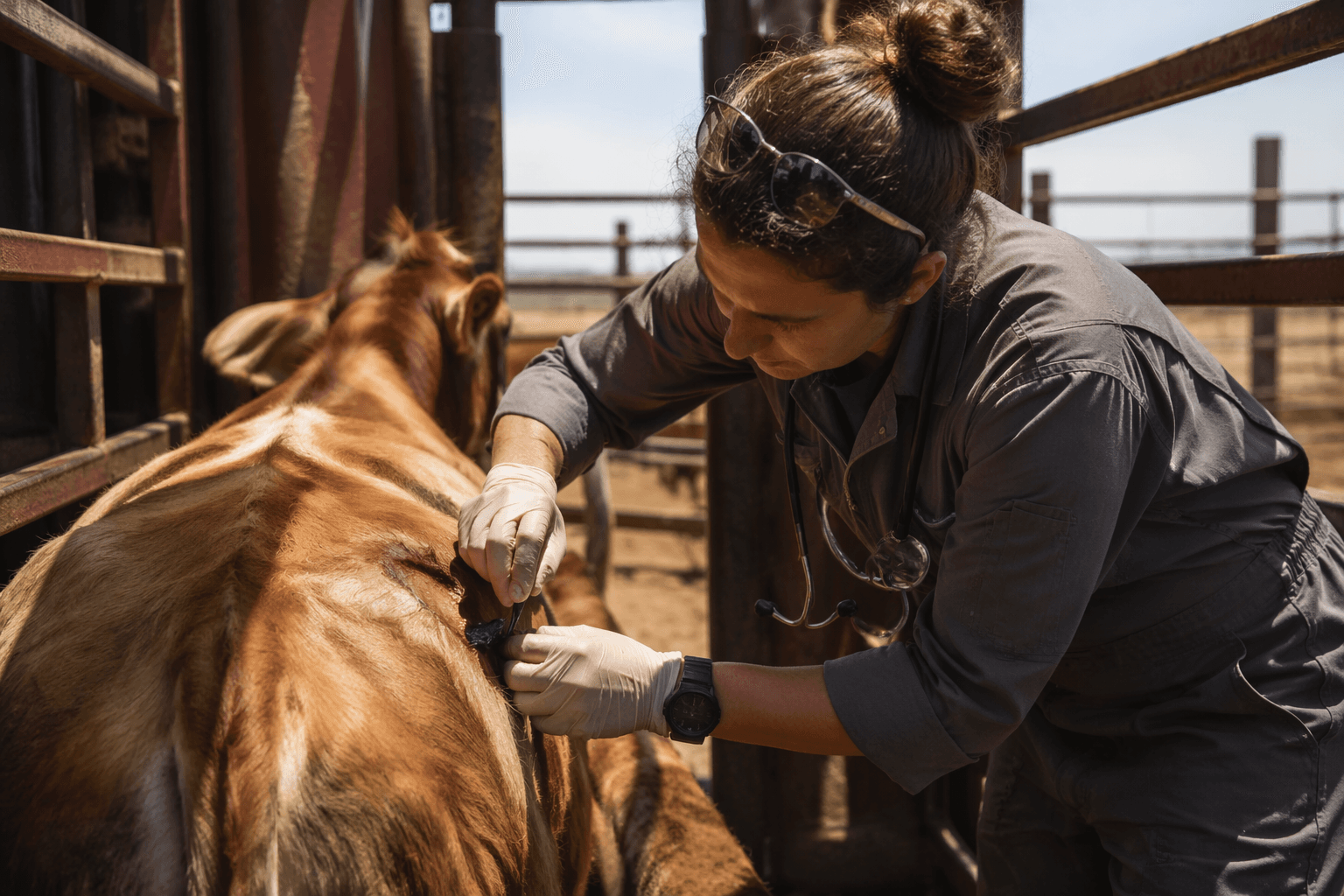
The first U.S. animal case in the current outbreak was confirmed by USDA on June 3 in Texas. USDA later identified it as a 3-week-old calf in Zavala County with larvae in its umbilical area. The New Mexico case, first reported by a veterinarian in Texas, was later reclassified to Lea County because the dog lives there. For ranchers and animal owners, the consequences can be immediate: infected animals can suffer severe wounds, secondary infections, quarantines, movement restrictions and expensive eradication measures.
Federal agencies are now leaning on the same control strategy that once cleared the parasite from the country. USDA says it is dispersing 100 million sterile insects per week in Mexico and along the U.S.-Mexico border, adjusting release areas as needed to maintain suppression. The sterile insect technique eradicated New World screwworm from the United States in 1966, and USDA says it also eliminated a small outbreak in the Florida Keys in 2017. Panama’s COPEG facility remains the only active sterile-fly production site in North America.
The CDC issued a preparedness document on March 27 for state, tribal, local and territorial health officials, and the U.S. Food and Drug Administration granted an emergency use authorization on June 11 for a generic over-the-counter drug to treat New World screwworm in dogs and cats. The emergency activation signals that officials see enough risk to justify faster coordination and dedicated response resources, even as the threat to the general public remains limited for now.
This article was produced by Prism’s automated news system from verified source data, official records, and press releases, then run through automated quality and moderation checks before publishing. The system is built and supervised by the people who set the standards it runs under. Read our full AI policy.
Did this article answer your question?