CDC and FDA declare ByHeart-linked infant botulism outbreak over as probe continues
Federal health agencies declared the multistate infant botulism outbreak tied to ByHeart powdered formula over on Feb. 26, 2026, while investigators continue to trace the contamination.
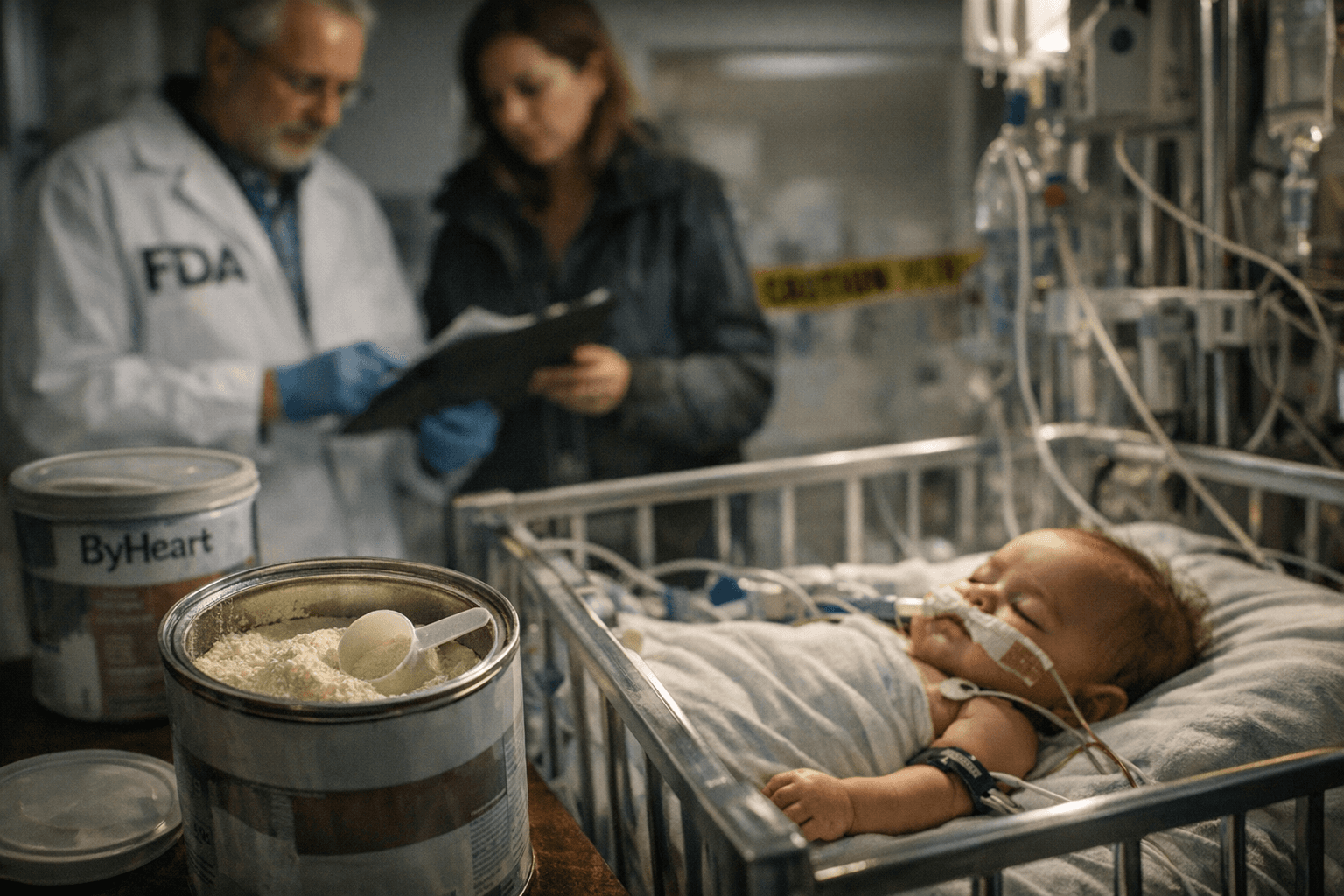
Federal public health authorities declared on Feb. 26, 2026 that the multistate outbreak of infant botulism linked to ByHeart powdered infant formula is over, even as the Centers for Disease Control and Prevention and the Food and Drug Administration said investigations will continue to determine how contamination occurred and whether further actions are required.
The declaration ends the active phase of the case cluster that prompted joint CDC and FDA response, identifying ByHeart powdered infant formula as the common product associated with the illnesses. Investigators said the epidemiologic pattern that defined the outbreak no longer indicates ongoing transmission, but officials emphasized that closing an outbreak investigation is not the same as concluding the underlying inquiry. The agencies will continue to examine laboratory samples, supply chain records and manufacturing practices to identify the contamination source and any regulatory or enforcement steps needed.
Infant botulism is caused when infants ingest spores of the bacterium Clostridium botulinum, which then produce a potent neurotoxin in the gut. The condition can cause flaccid paralysis and breathing problems in young infants and often requires intensive medical care. Powdered infant formula is not sterile and has long been recognized as a potential vehicle for spores if contamination is present at low levels. Public health investigators typically use a combination of environmental sampling, product testing and genomic analysis to link clinical cases to a specific contamination event, and those methods are expected to play a role as the probe moves from outbreak response to root-cause analysis.
The agencies’ announcement clears the immediate public health alarm that accompanies active, spreading outbreaks, but it leaves a number of practical and policy questions unresolved. Investigators will review factory controls, supplier records and distribution channels to determine whether the contamination arose within production, from an ingredient, or during handling and storage. Depending on what agencies find, the inquiry could lead to targeted recalls, manufacturing corrections, warning letters, or changes to inspection and testing standards for powdered infant nutrition.
For parents and caregivers, the conclusion of an outbreak investigation typically means fewer new cases linked to the same exposure and a reduced risk of additional infants becoming ill from the same source. Clinicians advise that infants with symptoms such as constipation, decreased feeding, weak cry, or breathing difficulty should be evaluated promptly by a pediatrician or emergency services. Preventive options for infant botulism are limited because powdered formula is not sterile, so public health emphasis often focuses on identifying contamination sources and preventing future production lapses.
The ByHeart brand and its practices will remain in focus as regulators complete their review, and industry leaders are likely to face renewed scrutiny over manufacturing safeguards and transparency around testing. The case also raises broader ethical and policy questions about supply chain testing, the boundaries of acceptable microbial risk in non-sterile infant products, and how regulators balance rapid access to specialized nutrition with the highest safety standards.
With the formal outbreak designation lifted, the CDC and FDA will shift from acute case finding to a deeper forensic effort. The outcome of that work will determine whether additional public health actions are necessary to prevent another similar event.
This article was produced by Prism’s automated news system from verified source data, official records, and press releases, then run through automated quality and moderation checks before publishing. The system is built and supervised by the people who set the standards it runs under. Read our full AI policy.
Did this article answer your question?