CDC warns New World screwworm spreading in Central America, Mexico
A parasite once erased from U.S. cattle is spreading through Central America and Mexico, with nearly 168,000 animal cases and one returned traveler case already logged.
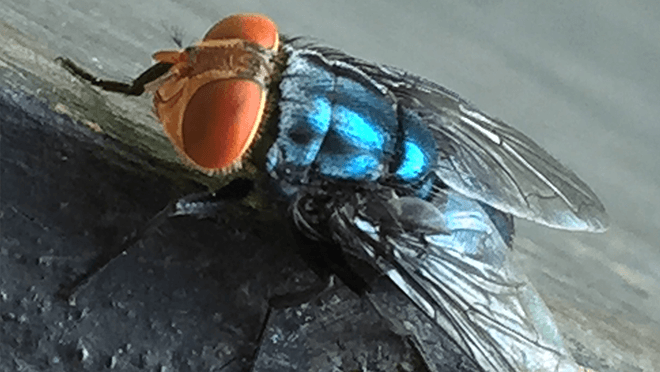
A parasite long held at bay in the United States is moving through Central America and Mexico, and federal officials are racing to keep it from becoming a cattle problem on U.S. soil.
The Centers for Disease Control and Prevention updated its New World screwworm situation summary on April 14, 2026, saying there were no cases in the United States and no immediate risk of infestation to people here. Even so, the outbreak region had reported nearly 168,000 animal cases and more than 1,700 human cases, and every country in Central America and Mexico where the insect had once been controlled had now reported infections in animals or people. The CDC also said there had been one confirmed human case in a person who returned to the United States after traveling to El Salvador.
The threat matters because New World screwworm larvae infest open wounds and can cause painful, foul-smelling lesions that, if not detected and treated quickly, can lead to extensive tissue damage and even death. The parasite affects livestock, wildlife and pets, which is why the spread has raised alarms well beyond public health. If containment slips, the damage could hit cattle herds, ranch operations and food supply chains before it becomes a larger human-health crisis.
USDA is trying to hold the line with a familiar tool: sterile insects. The agency said it is dispersing 100 million sterile insects per week in Mexico and is adjusting release areas as needed to slow northward spread. USDA’s current-status page also tracks detections within 400 miles of the U.S.-Mexico border and updates that map twice a week, on Tuesdays and Thursdays at 5:00 p.m. Eastern time. The federal response also includes surveillance, animal-movement controls and public education, alongside new and renovated sterile fly production and dispersal facilities in the United States and Mexico.
The strategy rests on a proven precedent. USDA eradicated New World screwworm from the United States in 1966 using the sterile insect technique, and CDC historical materials describe it as a major economic pest of U.S. livestock. Panama has long served as a southern firewall in that campaign, with sterile-fly operations beginning in 1998 and the Pacora plant opening in 2006. Those layers of control now matter again as the infestation pushes closer to U.S. territory.
For people in affected areas, the CDC says to keep wounds clean and covered, use EPA-registered insect repellent, treat clothing with permethrin and sleep indoors or behind screens. Clinicians are being told to report suspected cases immediately to health departments and not to try to remove maggots themselves. For ranchers and animal owners, the message is clear: the outbreak is still abroad, but the cost of missing it at the border could be measured in livestock losses, disrupted trade and a preventable return of a parasite the United States spent decades driving out.
This article was produced by Prism’s automated news system from verified source data, official records, and press releases, then run through automated quality and moderation checks before publishing. The system is built and supervised by the people who set the standards it runs under. Read our full AI policy.
Did this article answer your question?