Cease-fire frays as Iran, Israel and U.S. trade fresh strikes
Missiles again crossed between Iran and Israel as U.S. strikes widened the fight to the Strait of Hormuz. The fragile pause has become a corridor of constant risk.
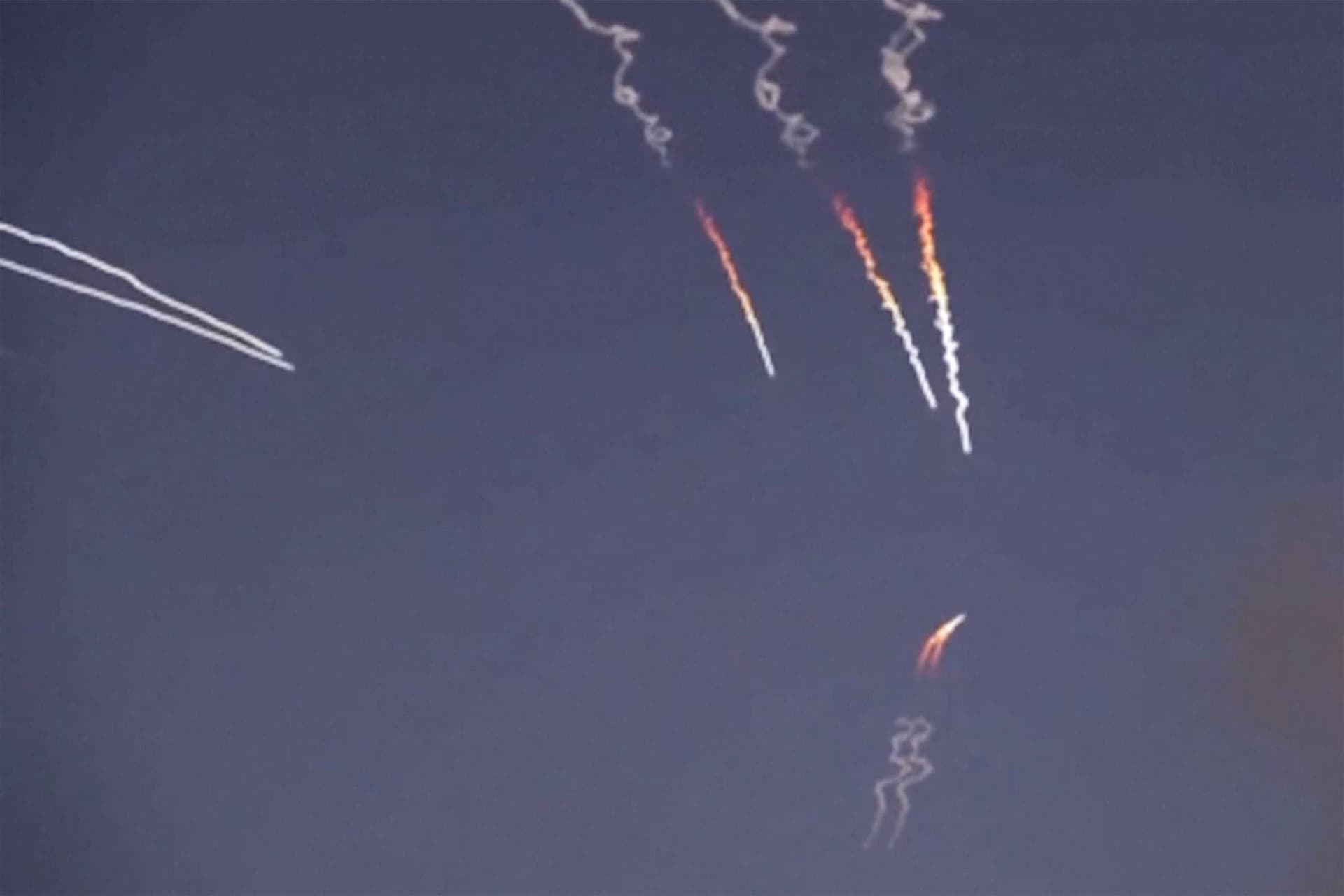
The cease-fire that was supposed to quiet the Middle East has instead hardened into a dangerous holding pattern, with Iran, Israel and the United States still trading blows under the label of peace. After nearly 40 days of intense hostilities, the April 8 truce stopped the biggest direct U.S.-Israeli attacks on Iran, but it never fully ended the violence around Lebanon, the Persian Gulf and northern Israel.
That fragility showed again in early June, when Iran fired missiles at Israel for the first time in two months and Israel answered with strikes on Iranian targets. Donald Trump urged both sides to “stop shooting” as he insisted negotiations were still moving forward, yet the latest exchanges only underscored how thin the line is between pause and collapse.
The fighting widened further on June 6, when U.S. forces shot down Iranian drones headed toward the Strait of Hormuz and then struck Iranian coastal radar sites. The U.S. military said it believed the drones were aimed at regional maritime traffic, a sign that the conflict was no longer confined to direct state-to-state exchanges. It was spilling into the sea lanes that carry a large share of global energy supplies, raising the risk that a local flare-up could rattle shipping, fuel markets and security planning far beyond the region.

The Israel-Hezbollah front in Lebanon remained active throughout the cease-fire period, adding another layer of instability. Analysts at the Institute for the Study of War said the fighting had only stepped down in volume since April 8, not ended, and that Iran and Hezbollah were still trying to turn negotiations into talks about ending the war in Lebanon. That dynamic has kept Beirut, northern Israel and the wider border region under persistent strain even as diplomats talk of restraint.
The broader danger is not a return to full war so much as something less visible and harder to contain: a sustained low-intensity conflict with no clear off-ramp and no reliable accountability. Some reporting said direct U.S.-Iran talks had not taken place since April 11, and each new strike makes the next miscalculation more likely. As the cease-fire frays, the Middle East is left in a perilous in-between state, where diplomacy drains away while the risks to shipping, energy and regional security stay on edge.
This article was produced by Prism’s automated news system from verified source data, official records, and press releases, then run through automated quality and moderation checks before publishing. The system is built and supervised by the people who set the standards it runs under. Read our full AI policy.
Did this article answer your question?