Ceasefire Stalls Iran Oil Shipping, Diplomatic Talks Seek Off-Ramp
The ceasefire froze the war, but not the chokepoint. With Hormuz still choked and oil up more than 3%, diplomacy is racing to open a way out.
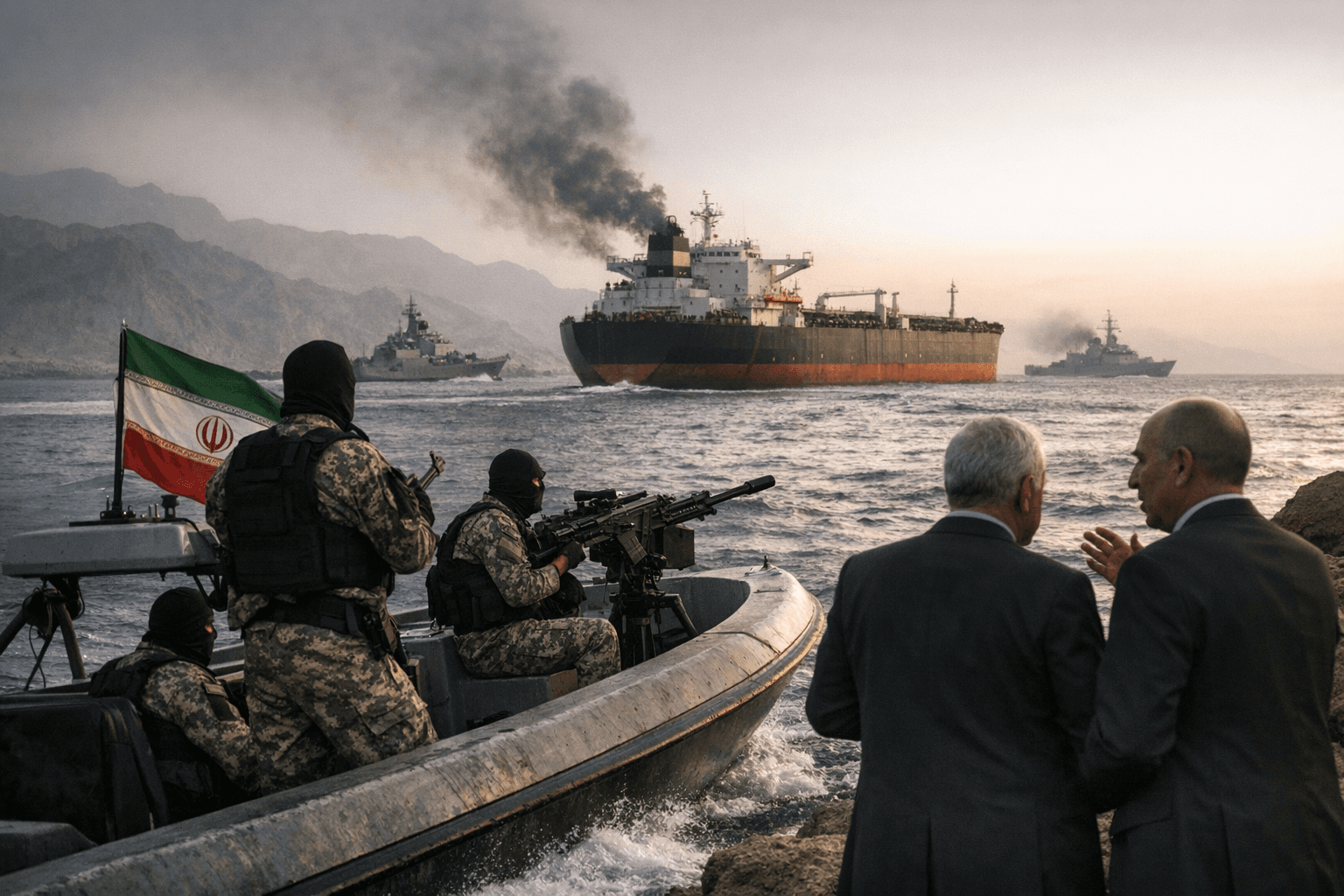
The ceasefire halted open fighting, but it did not restart the flow of oil through the Strait of Hormuz, leaving the conflict’s most consequential economic front unresolved. Shipping through the narrow waterway, which carries crude, natural gas and other goods out of the Persian Gulf, remained severely constrained days after the truce took effect on April 8.
That paralysis has kept global markets on edge. Oil prices rose more than 3% on April 9 as traders doubted that traffic would recover quickly, and analysts said a return to normal could take weeks or even months. On the first full day of a U.S. blockade on vessels calling at Iranian ports, traffic through Hormuz barely changed, underscoring how little the truce had done to restore confidence on the water.
Iran is now weighing a proposal that would let ships sail out of the Omani side of the strait without fear of attack, a sign that Tehran and its partners are searching for a limited practical fix while broader issues remain unsettled. The proposal reflects the central problem facing the ceasefire: unless vessels can move freely through Hormuz, the war may be paused, but the disruption is not contained.
At the same time, Washington is pressing a separate diplomatic track to lower the temperature around Israel and Lebanon. Direct talks between Israeli and Lebanese envoys are scheduled in Washington under U.S. mediation, with Secretary of State Marco Rubio hosting Lebanese ambassador to the United States Nada Hamadeh Moawad and Israeli ambassador Yechiel Leiter. The meeting would mark the first direct diplomatic engagement between the two countries since 1993, a striking reversal after decades without such contact.
President Donald Trump has also been pushing for a second round of U.S.-Iran talks in Pakistan after marathon negotiations there ended without agreement. A high-level Pakistani delegation led by Field Marshal Asim Munir has been shuttling between Tehran, other regional capitals and Washington in an effort to keep channels open. That mediation matters because the Lebanon track and the Iran track are linked: Israel’s fighting with Hezbollah threatened to derail the fragile ceasefire, and Israeli strikes in Lebanon have left it exposed.
Hezbollah has denounced the talks as a national sin that widens Lebanon’s internal divide. For now, the ceasefire has stopped the shooting, but the wider test is whether diplomacy can produce a durable off-ramp before energy markets, shipping lanes and U.S. regional strategy face another shock.
This article was produced by Prism’s automated news system from verified source data, official records, and press releases, then run through automated quality and moderation checks before publishing. The system is built and supervised by the people who set the standards it runs under. Read our full AI policy.
Did this article answer your question?


