Cedar fever returns to Houston as Ashe juniper pollen soars
Cedar pollen surged into Harris County, reaching "very high" counts and triggering cedar fever symptoms. Start allergy meds and limit outdoor time on high-pollen days.
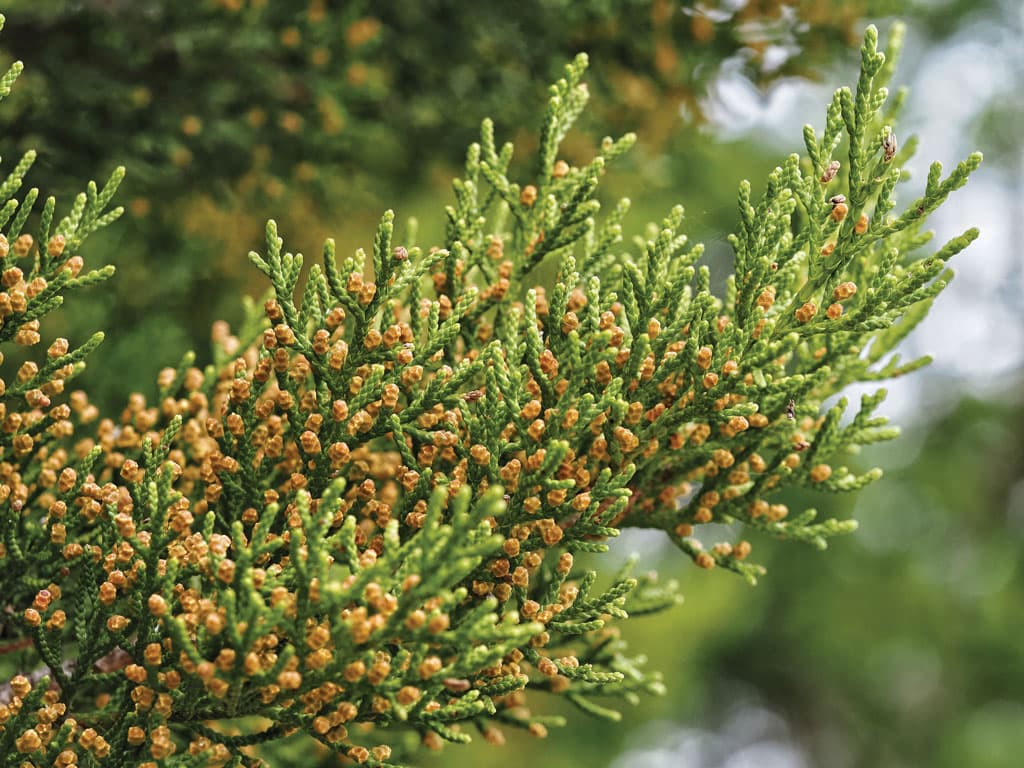
Cedar fever returned to Houston when mountain cedar (Ashe juniper) pollen surged across Southeast Texas, pushing local pollen counts to "very high" levels. The spike began January 16 and stemmed from cold fronts that kicked up pollen across the Texas Hill Country and carried it hundreds of miles into the Houston area.
Because exposure to cedar pollen is brief each year, many people lack tolerance and develop intense reactions. Typical symptoms include congestion, sneezing, itchy or watery eyes, sinus pressure, sore throat and fatigue without fever. For Harris County residents, those symptoms can mean missed work, disrupted school recesses, and extra trips to clinics for relief—especially for outdoor workers and people with underlying respiratory conditions.
The meteorological pattern that brought the surge is familiar to local forecasters: strong northward winds behind cold fronts lift dense cedar pollen from hill country stands and deposit it over the coastal plain. That long-distance transport explains why Houston and other Gulf Coast communities can experience sharp allergy spikes months after the cedar trees release pollen inland.
Health providers advise preparing early and treating consistently through the season. Doctors recommend starting allergy medications ahead of symptom onset, using antihistamines and nasal sprays consistently, limiting outdoor exposure on high-pollen days, and using HEPA filters indoors. For people who already have asthma or severe allergies, clinicians urge reviewing action plans and checking in with care teams about stepping up controller medications if symptoms worsen.

Cedar season is seasonal by design and typically tapers off by early March. That gives people several weeks to manage symptoms and plan outdoor activities. Residents who are sensitive to pollen should consider timing yard work and errands for days when weather conditions are calmer and pollen counts are lower, and employers with outdoor crews may need to adjust schedules to reduce peak exposure.
Local public health clinics and primary care offices remain the first stop for bothersome or prolonged symptoms. Over-the-counter antihistamines and nasal corticosteroid sprays are effective for many people when taken as recommended. Use of indoor air cleaners equipped with HEPA filters can reduce indoor pollen concentrations and help households with vulnerable members.
For Harris County readers, the immediate takeaway is practical: treat cedar season as a short but serious annual event. Start preventive medications if you are prone to seasonal allergies, limit outdoor exposure when counts spike, and expect symptoms to ease as cedar pollen tapers by early March.
Know something we missed? Have a correction or additional information?
Submit a Tip