Central Park carriage death renews calls for a horse ban
A tourist from India died after a runaway carriage crashed in Central Park, turning one fatal accident into a fight over horses, safety and the park’s future.
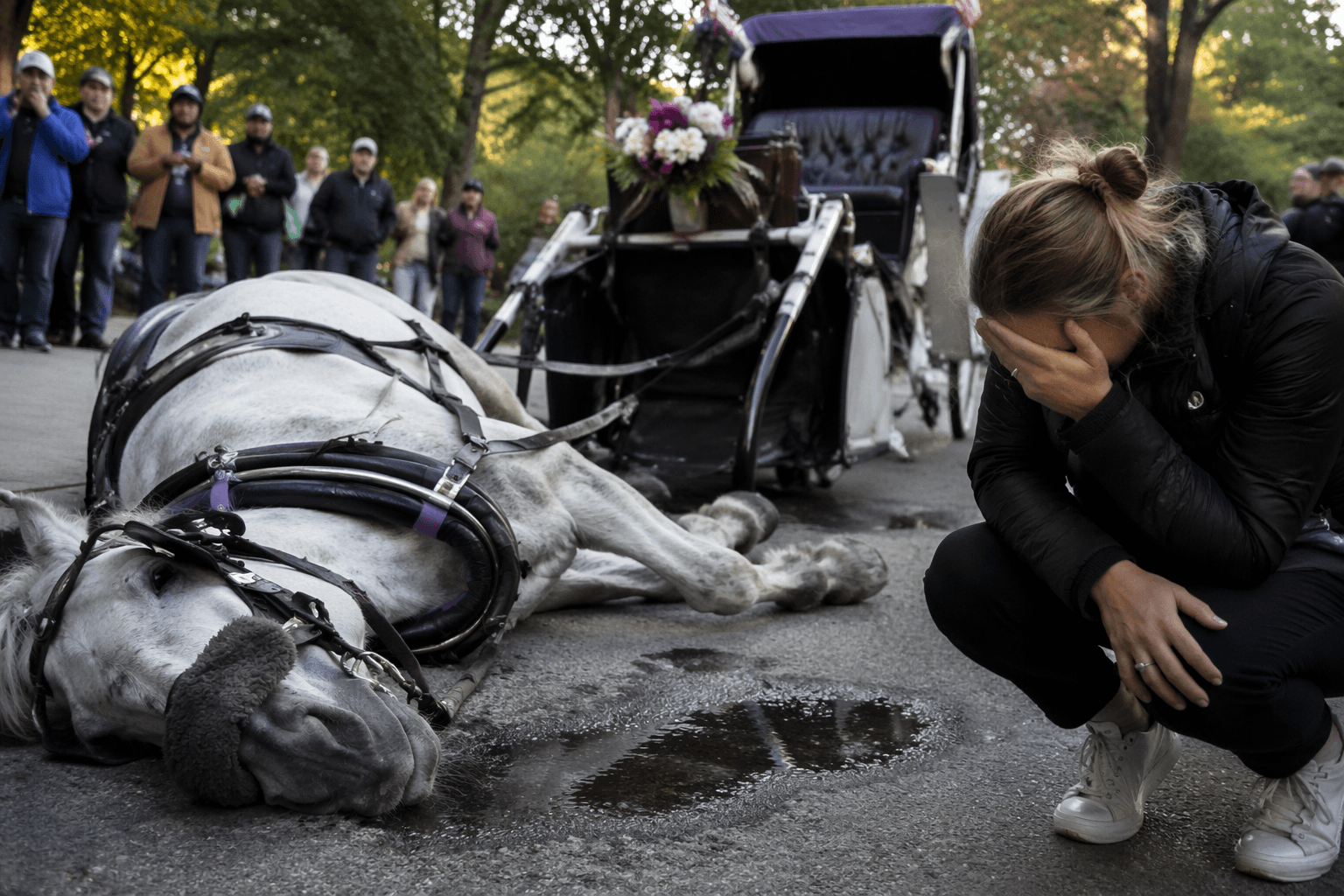
A runaway horse-drawn carriage in Central Park killed 18-year-old Romanch Mahajan, a tourist from India, and pushed New York’s long-running carriage fight back to the center of city politics. Police said the horse bolted away from its driver, crashed into another carriage and threw Mahajan onto the pavement. He appeared to be the first person to die in a Central Park carriage accident since the rides began more than 150 years ago.
The death sharpened a debate that is now about more than one tragic accident. The Central Park Conservancy said Mahajan’s death was the eighth horse-related incident in the park over the previous 13 months, and on June 17 it said the latest case was the second in eight days. The group, which manages the 843-acre park, said on June 10 that it had long believed horse carriages posed a public safety risk in an increasingly crowded park.
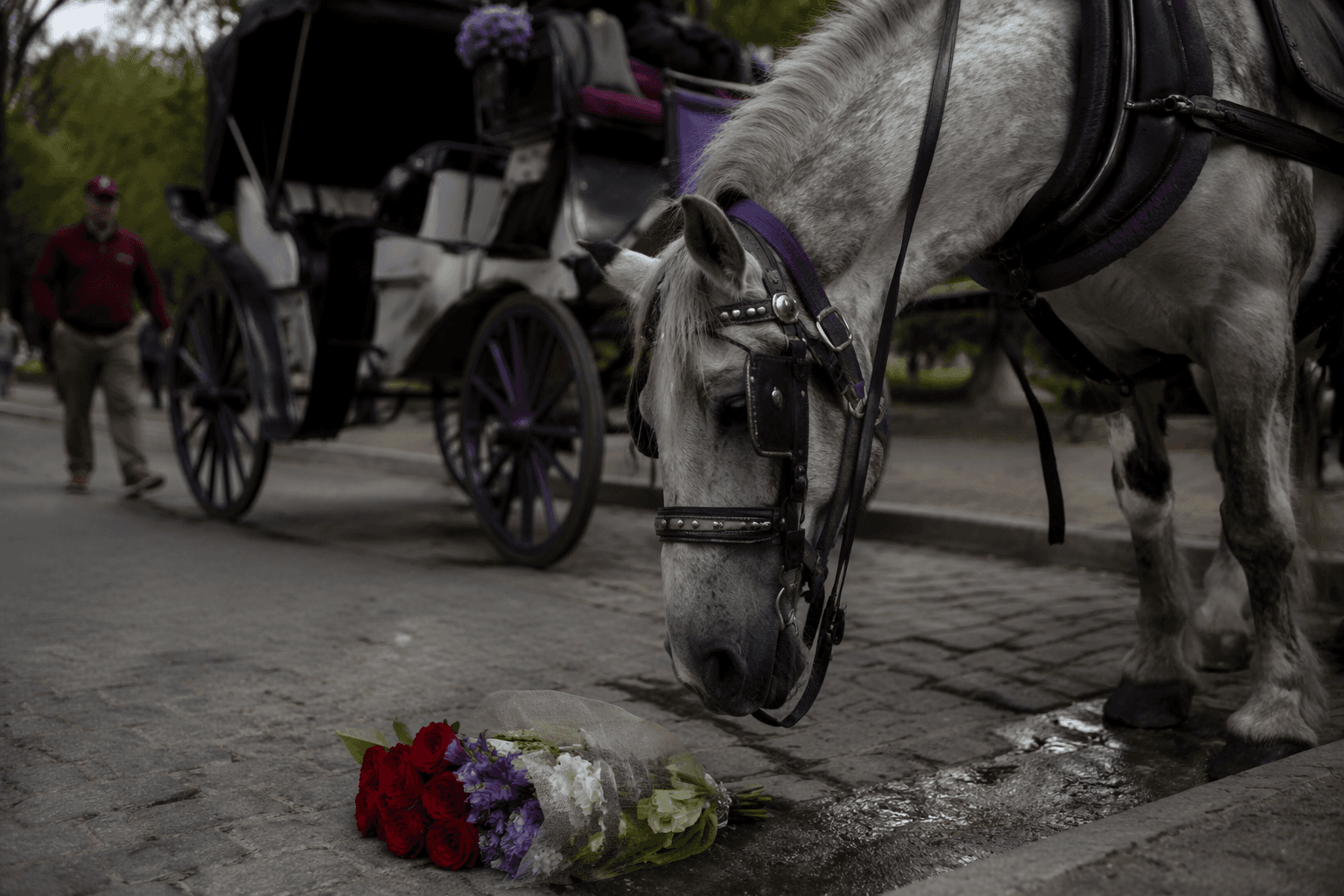
That framing puts the issue at the intersection of animal welfare and traffic safety. Animal protection groups have argued for years that the horses are strained by the work, can spook easily in dense traffic and are kept in stables that are not adequate. Edita Birnkrant of New Yorkers for Clean, Livable, and Safe Streets said the cumulative record, from crashes and runaways to horse deaths, injuries and now a human death, made the case against the industry impossible to ignore.
Industry leaders are pushing back, arguing that the answer is stronger protections rather than a ban. Alexander Kemp of Transport Workers Union Local 100, which represents drivers and owners, said the union was stunned and gutted by the tragedy and that safety could be improved without ending a tradition many visitors still associate with classic New York.
The political pressure has also intensified. In September 2025, Mayor Eric Adams signed Executive Order 56 supporting a phaseout of horse-drawn carriages in New York City, noting that Central Park draws more than 42 million visitors a year. His office said 71 percent of New Yorkers backed a ban after a horse-related incident in 2022, and it pointed to Chicago, which ended carriage operations in 2021, and San Antonio, which is phasing them out by 2030.
The Central Park Conservancy publicly backed Ryder’s Law in August 2025, marking a shift after years of neutrality. The city’s Office of Animal Welfare has said its working-animals priorities include better enforcement of laws protecting carriage horses. After Mahajan’s death, the practical question is no longer whether the carriage industry is controversial. It is whether New York treats it primarily as an animal-welfare fight, a traffic-safety hazard, or a test of how far the city is willing to go to regulate one of its most iconic attractions.
This article was produced by Prism’s automated news system from verified source data, official records, and press releases, then run through automated quality and moderation checks before publishing. The system is built and supervised by the people who set the standards it runs under. Read our full AI policy.
Know something we missed? Have a correction or additional information?
Submit a Tip