Ceuta faces new migrant surge as Spain-Morocco tensions rise
Spanish officials estimated about 49,000 people crossed into Ceuta in 24 hours, leaving at least 18 dead and forcing Spain to send troops and extra police.
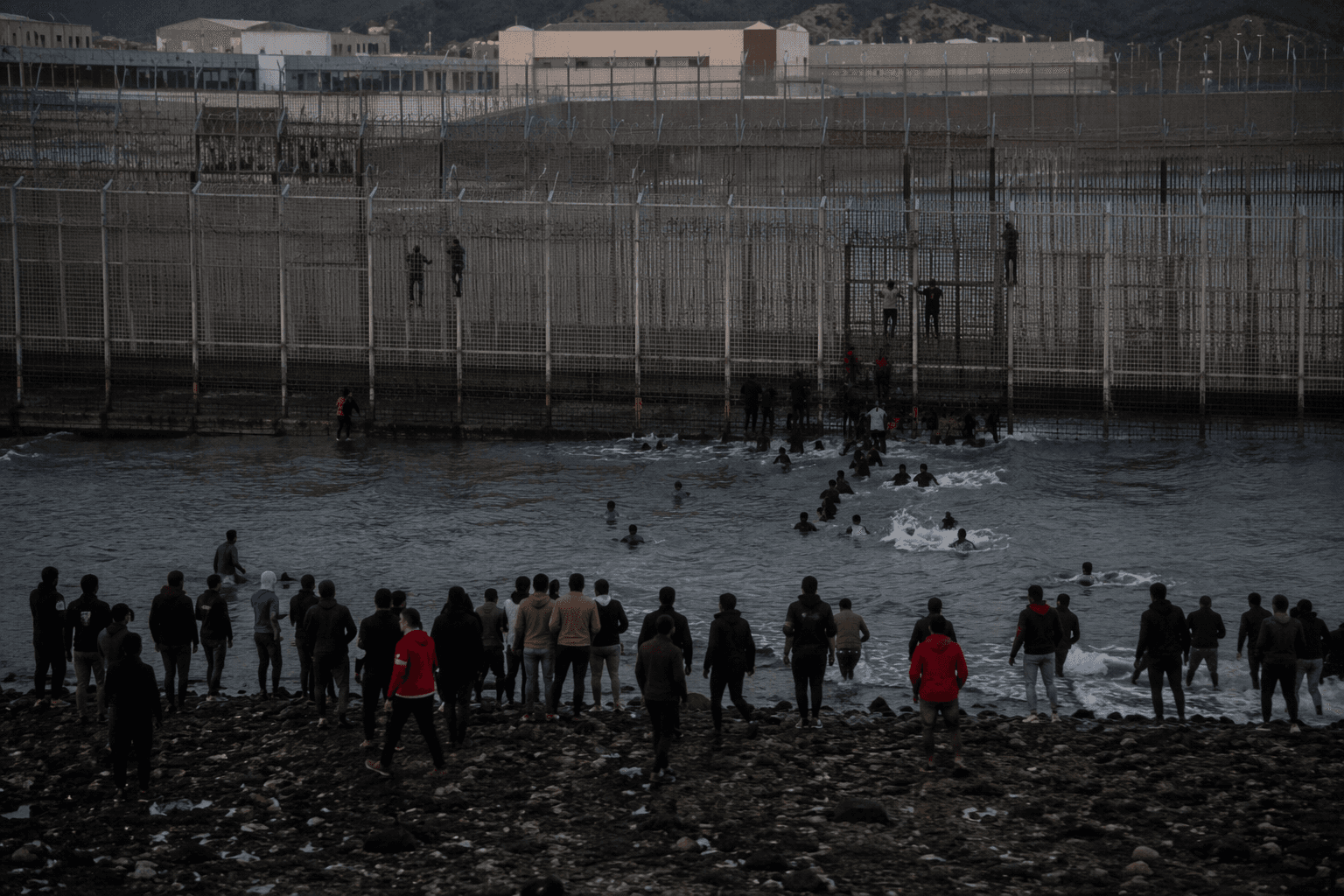
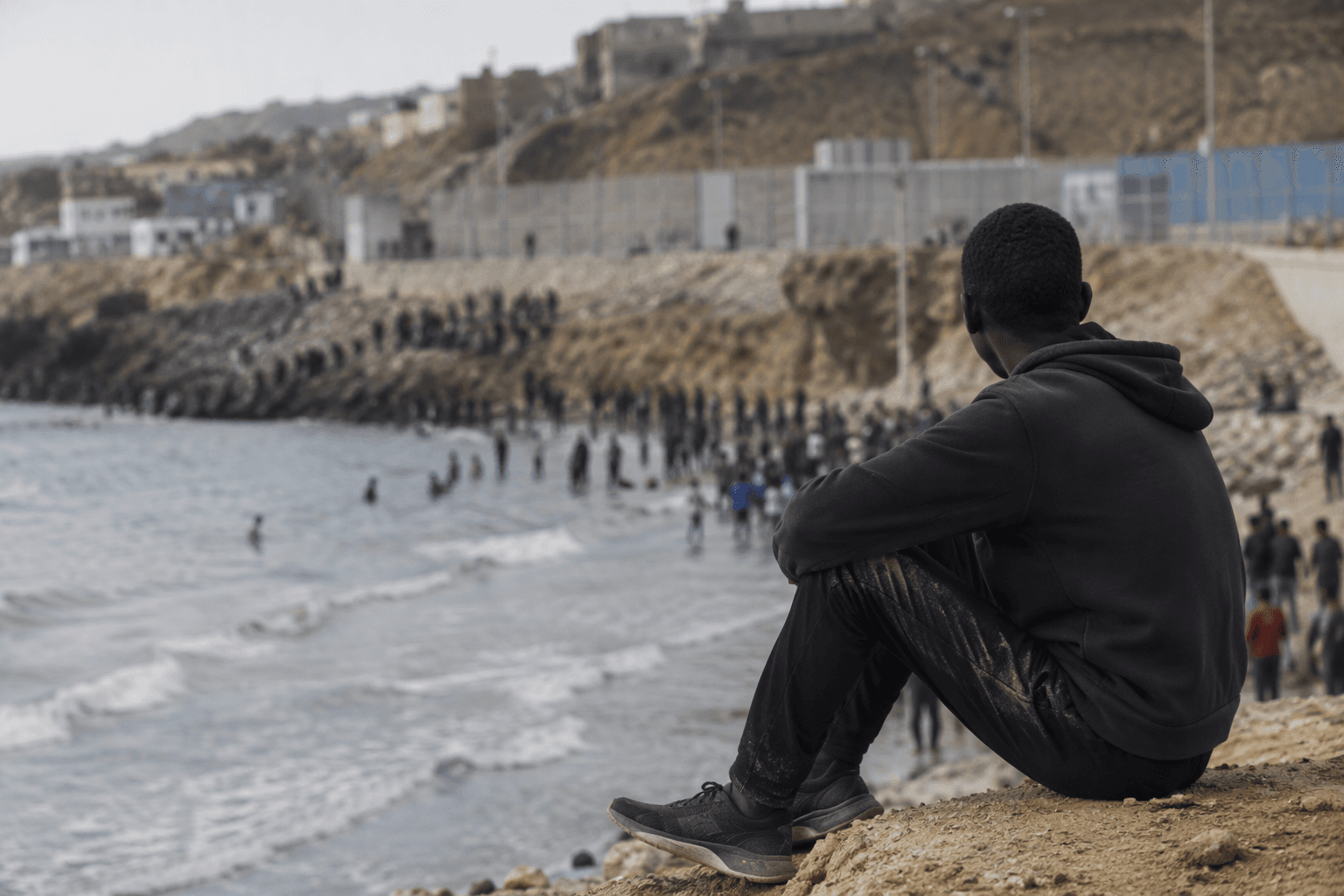
Spanish officials estimated that about 49,000 migrants crossed into Ceuta over 24 hours by land and sea, a surge that left at least 18 people dead and pushed Spain to deploy military units and extra police to reinforce the border. Juan Jesús Vivas, Ceuta’s leader, called it an emergency and said the influx was overwhelming local resources.
Ceuta matters far beyond its size because it sits on Morocco’s northern Mediterranean coast and, with Melilla, forms the European Union’s only land borders with Africa. That geography has made the enclave a recurring flashpoint in Spain-Morocco relations and a pressure point in European migration policy, where control of a few square miles can shape wider debates about border security, asylum and deterrence.
The territory’s history gives those tensions extra weight. Ceuta has been tied to Spain since Portugal captured it in 1415, and it passed to Spain in 1668 under the Treaty of Aix-la-Chapelle, which ended the War of Devolution. It became a Spanish city under the 1995 Statute of Autonomy. For Morocco, that long Spanish hold remains politically sensitive; for Spain, it is a front line that is both European and African.
The enclave has been hit before. In February 2017, around 700 migrants stormed Ceuta’s six-meter security fence separating Morocco from the Spanish territory, and both migrants and police were hurt. The 2026 crossings echoed that pattern, with reports of people swimming into the enclave as well as moving through the border area on foot. Spanish officials said the scale of the movement and the deaths turned the episode into a humanitarian emergency, while Madrid moved quickly to shore up the border as the pressure on Ceuta mounted.
This article was produced by Prism’s automated news system from verified source data, official records, and press releases, then run through automated quality and moderation checks before publishing. The system is built and supervised by the people who set the standards it runs under. Read our full AI policy.
Did this article answer your question?