CFPB Says Most Paycheck Advance Products Fall Outside Lending Rules
The Consumer Financial Protection Bureau issued an advisory opinion finding that most earned wage and paycheck advance products do not constitute consumer loans under the Truth in Lending Act, a reversal of the agency's 2024 stance. The nonbinding opinion could ease compliance costs for fintech providers, but it leaves unresolved questions about consumer protection and whether other regulators or lawmakers will step in.
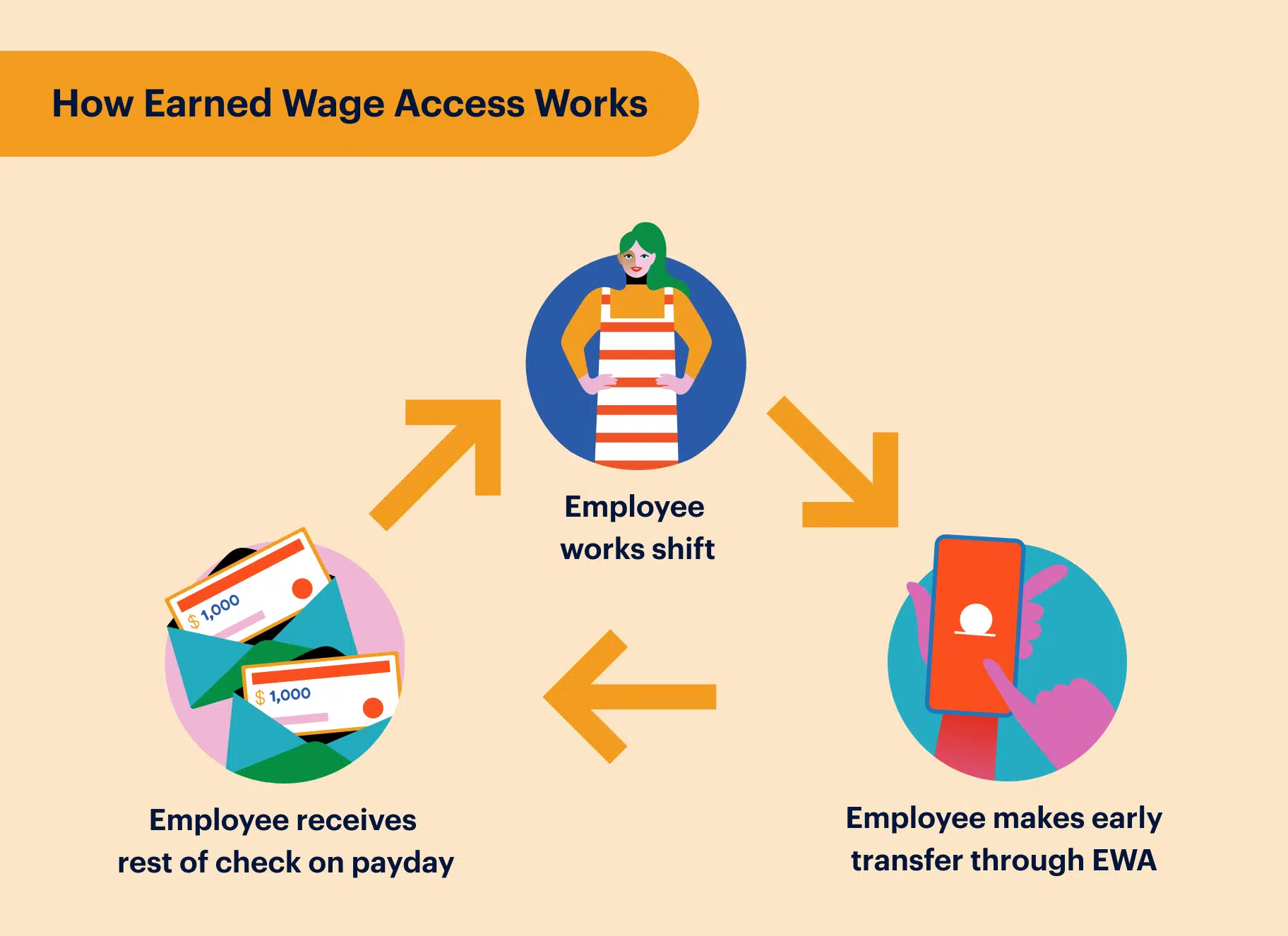
The Consumer Financial Protection Bureau on December 22, 2025 issued an advisory opinion concluding that most earned wage, earned wage access or paycheck advance products do not resemble consumer loans and therefore are generally not subject to the Truth in Lending Act. The opinion, which agency officials described as nonbinding guidance for market participants, represents a clear reversal of guidance and a proposed interpretive rule the bureau advanced in 2024.
Under the bureau's new advisory posture providers of these early wage access products would typically not be required to deliver TILA disclosures that quantify the cost of credit in APR style language. The 1968 Truth in Lending Act requires lenders to disclose loan costs and fees, and the CFPB's 2024 proposal, issued on July 18, 2024, would have declared many paycheck advance programs to be consumer loans and required statutory TILA disclosures. That proposal also opened a public comment period intended to run through the end of August of 2024.
The market for early wage access has expanded rapidly in recent years. CFPB analysis reported during the 2024 review found more than 7 million workers accessed roughly 22 billion dollars in wages before payday in 2022, and the number of transactions rose more than 90 percent from 2021 to 2022. Advocates argued those trends warranted stronger federal guardrails to protect consumers from repeated reborrowing and high effective costs.
Consumer advocates reacted sharply to the reversal. Christine Zinner, policy counsel at Americans for Financial Reform, warned that paycheck advance products “are nothing more than workplace payday loans,” while Mitria Spotser, vice president and federal policy director at the Center for Responsible Lending, said in 2024 that the programs are "a traditional loan" when fees are charged. Industry representatives have long disputed that characterization, arguing that many earned wage products merely facilitate access to wages employees have already earned.

Because the advisory opinion is not legally binding, practical outcomes will hinge on how market participants, courts, state regulators and other federal agencies respond. The bureau retains other enforcement authorities, including provisions against unfair deceptive or abusive acts or practices, which could be deployed to police abusive conduct even if products fall outside TILA. The 2024 rulemaking record and related agency analyses remain part of the public record, leaving open multiple enforcement and litigation paths.
For employers and fintech firms the opinion promises quicker regulatory clarity and potential cost savings by avoiding APR style disclosures and related compliance regimes. That could encourage more providers to enter the market or expand offerings to workers. For consumers the reversal raises concerns about transparency and price comparability, since fees for early pay access will not routinely be expressed in APR terms that make cost comparisons straightforward.
The decision also shifts the policy battleground. With the CFPB retreating from a loan characterization, Congress and state regulators may face pressure to set disclosure standards or caps. The ultimate regulatory architecture for early wage access will likely be shaped by a combination of enforcement actions, state rules and potential legislative initiatives as the market continues to grow.
This article was produced by Prism’s automated news system from verified source data, official records, and press releases, then run through automated quality and moderation checks before publishing. The system is built and supervised by the people who set the standards it runs under. Read our full AI policy.
Did this article answer your question?