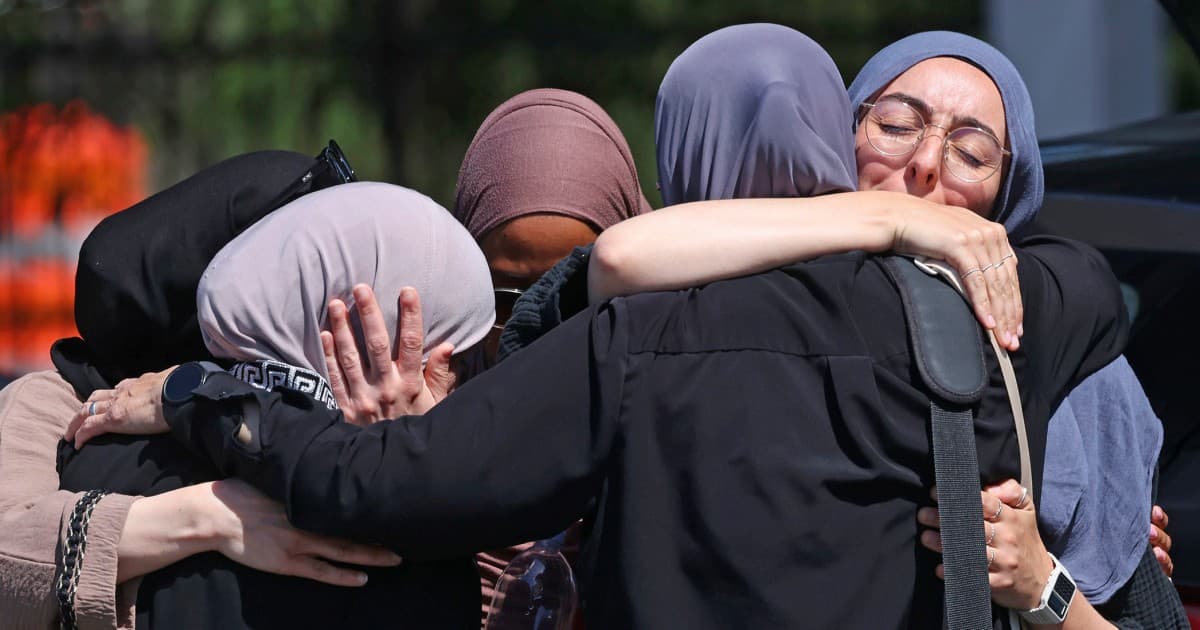
Charlottesville to turn Robert E. Lee statue bronze into public art
The bronze from Charlottesville’s Lee monument is being recast into public art, turning a symbol of racial violence into a test of who shapes civic memory.
%2Fhttps%3A%2F%2Ftf-cmsv2-smithsonianmag-media.s3.amazonaws.com%2Ffiler_public%2F0a%2Fc9%2F0ac912c2-3c8a-451e-adcb-8ec542fd2c2a%2Fgettyimages-1233952196.jpg&w=1920&q=75)
The bronze left from Charlottesville’s Robert E. Lee monument is being transformed from a symbol of white supremacy into a new work of public art, a decision that keeps the city’s fight over public memory far from settled.
The equestrian Lee statue became a focal point of the violent white nationalist rally on Aug. 12, 2017, when the park and surrounding streets became the scene of deadly unrest. Before and after its removal, the monument was repeatedly vandalized, including an episode in which it was spray-painted with “This is Racist” and had to be cleaned by city crews.
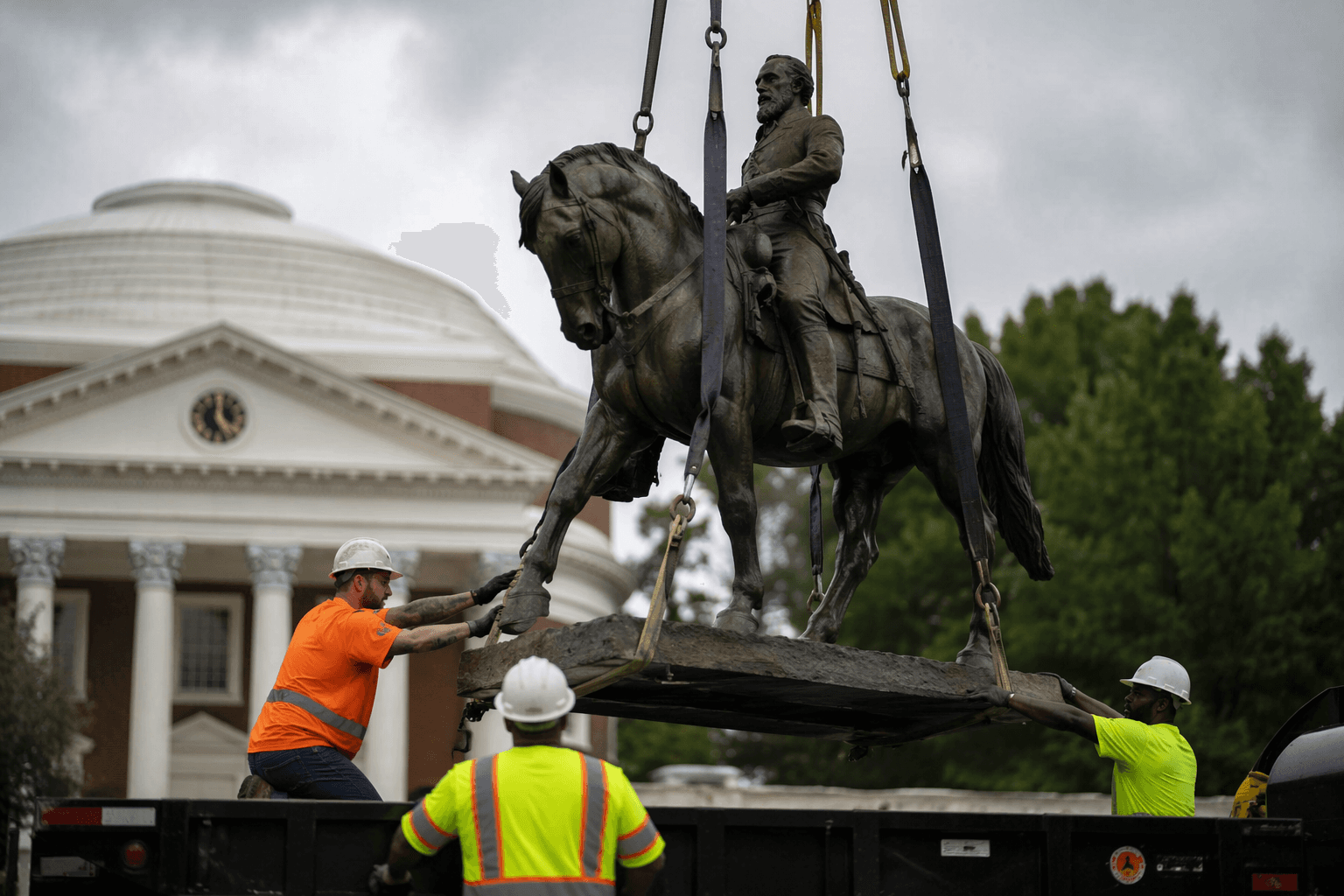
Its fate was shaped by years of legal and political conflict. Charlottesville officials fought a lawsuit over the city’s authority to take the monument down, while the statue also became a rallying point in Virginia’s governor’s race. The American Civil Liberties Union of Virginia urged Gov. Ralph Northam to remove the Robert E. Lee statue from Monument Avenue in Richmond in the name of racial equity, and Northam later ordered its removal.
Charlottesville also moved against a second Confederate monument. Weeks after the 2017 violence, the Charlottesville City Council voted unanimously to remove the city’s monument to Gen. Thomas “Stonewall” Jackson, signaling that the city’s reckoning would extend beyond a single park and a single statue.
After the Lee monument came down, the remaining bronze was melted and cast into ingots for possible reuse in art. Those ingots now carry a different civic burden: they are no longer just scraps from a broken emblem, but raw material for a new public object that will inevitably invite arguments about history, authority and repair.
That tension is part of the point. The bronze came from a monument tied to racism, civic trauma and the contest over whose values belong in public space. What follows its removal is not simply an art project, but a question of democratic process: who gets to decide how a city remembers violence, and what meaning replaces the old one when the statue itself is gone.
Know something we missed? Have a correction or additional information?
Submit a Tip