Charlottesville weighs turning Lee statue bronze into a new public art piece
Charlottesville is deciding whether two tons of Lee statue bronze can become repair, or just a new fight. Three design firms have proposed what to make of the ingots.

Charlottesville’s next monument battle is no longer about whether the Robert E. Lee statue should stand. It is about what to do with the roughly two tons of bronze left behind after the city melted the monument down in October 2023.
The Lee statue began as a commission in 1917 from philanthropist Paul Goodloe McIntire and was unveiled on May 21, 1924, in what was then Lee Park. The sculpture showed Robert E. Lee astride his horse, Traveller, and for decades it sat at the center of a civic argument over Confederate memory in Charlottesville and beyond.
That argument turned violent on August 12, 2017, when white supremacists and neo-Nazis gathered for the Unite the Right rally to protest the city’s plan to remove the Lee and Stonewall Jackson statues. Heather Heyer was killed when James Alex Fields Jr. drove into counterprotesters, and two Virginia state troopers later died in a helicopter crash tied to the same day’s events. The monument that stood in the park was no longer just a statue; it had become a marker of grief, racial terror and political fracture.
Charlottesville City Council voted in 2017 to remove the Lee and Jackson statues, but litigation and state law delayed action for years. The city announced on July 9, 2021, that the statues would come down the next day, and the Lee statue was removed on July 10, 2021. Its physical removal did not end the dispute over public memory. It shifted the fight to the question of whether the material itself could be remade into something that confronted, rather than concealed, the history attached to it.
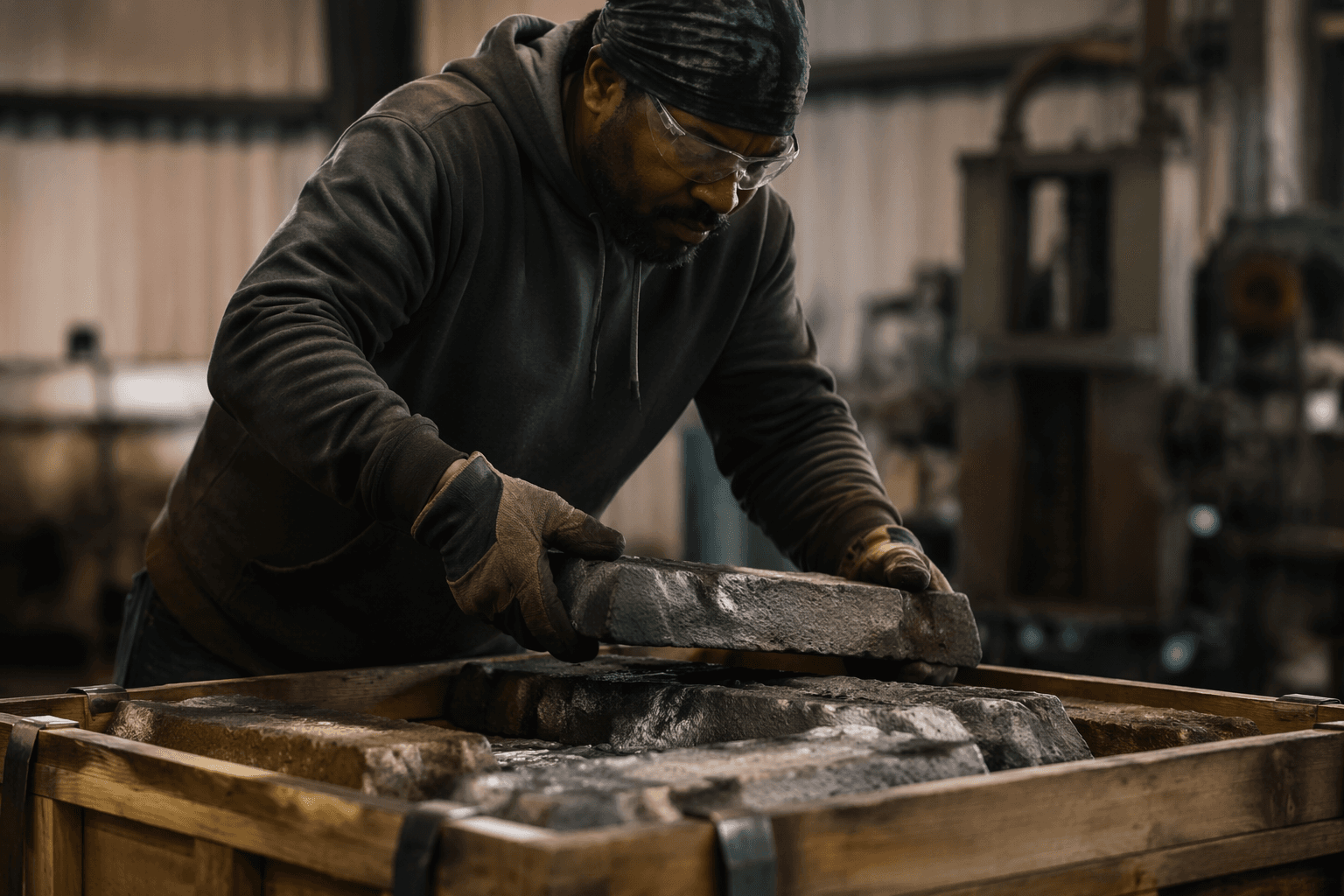
By October 2023, the bronze had been melted into ingots under the city-backed Swords Into Plowshares project led by the Jefferson School African American Heritage Center. The center said the metal would be used for a more inclusive public art installation, recasting a monument that once embodied exclusion into a work meant to acknowledge pain and the possibility of repair.
In 2026, MASS Design Group, Hood Design Studio and PUSH Studio were selected to present competing proposals for the project. A public presentation of the designs was scheduled for March 14, 2026, as Charlottesville considered whether public art can do more than preserve memory. The city’s challenge is not simply to reuse bronze, but to decide whether a former emblem of division can be transformed into something that earns trust in the public square.
Know something we missed? Have a correction or additional information?
Submit a Tip