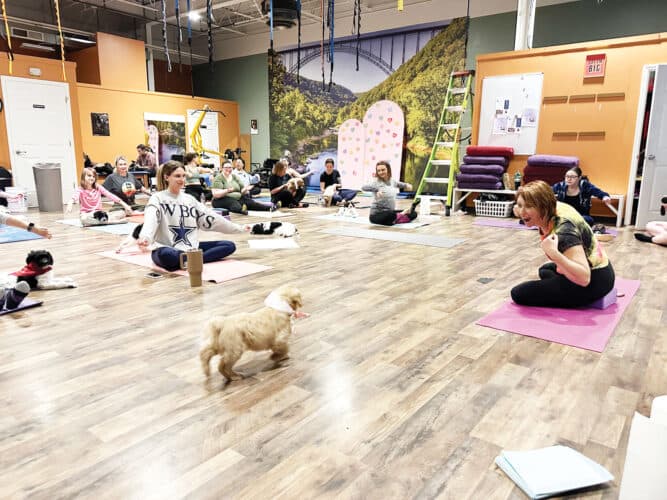
Checklist for Organizers and Shelters Running Safe, Welfare-Focused Dog Yoga Fundraisers
Practical, welfare-first checklist to help organizers and shelters run doga and puppy-yoga fundraisers that protect dogs, keep people safe, and maximize fundraising outcomes.

This concise checklist is built for organizers and shelters running doga/puppy-yoga events and synthesizes widely recommended best practices to prioritize canine welfare, public safety, and effective fundraising/community engagement. Treat the guidance as the operational spine for every decision from venue selection to post-event reporting, and keep the core mission—dog welfare—at the center of planning.
Why this matters now Doga and puppy-yoga raise visibility and money for shelters, but they also create concentrated canine social environments that require deliberate safeguards. As of March 5, 2026, shelters and organizers increasingly expect a clear protocol that balances adoptable-dog exposure with welfare protections and measurable fundraising results. When an event date is still unknown, lock these protocols into your plan early so approvals, volunteer training, and communications flow predictably.
Pre-event approvals and scheduling Confirm the event date and regulatory permissions well in advance; the research notes list the Event Date as unknown, which makes early confirmation critical for permits and shelter staffing. Secure any required municipal permits and facility approvals, and document liability coverage expectations with the venue. Make permit, insurance, and shelter-approval timelines explicit in your project plan so that every stakeholder—shelter staff, volunteers, and venue managers—has the same deadlines.
Canine welfare protocols Prioritizing canine welfare is non-negotiable for organizers and shelters running doga/puppy-yoga. Use temperament screening and health checks before dogs are scheduled to participate, and require up-to-date vaccination records from any non-shelter dogs. Provide designated rest zones away from the yoga mats where dogs can decompress, and plan for short activity windows so dogs don’t become overstimulated; the checklist approach in this guide emphasizes scheduled rest and welfare checks throughout the event.
Public safety and liability controls Public safety must align with canine welfare goals; plan for clear liability steps and visible safety measures. Require signed waivers for human participants, maintain a documented incident response plan, and ensure event liability insurance is in place as part of organizer and shelter responsibility. Keep communications transparent about vaccination, behavior screening, age limits for participating dogs, and any access restrictions for vulnerable audience members.
Venue selection and physical setup Choose a venue that supports safe movement and separation for dogs and people; avoid narrow corridors and hard-surfaced spaces that increase injury risk. Provide non-slip yoga mats or flooring and arrange the room so that dogs have easy exits to their rest zone and staff can access any dog quickly. Set up sanitation stations, biohazard waste bins, and visible signage about hygiene and dog handling to protect both animal welfare and public health.
Handler roles and volunteer training Assign trained handlers for each adoptable dog and brief all volunteers on key welfare signals, emergency procedures, and fundraising roles. Train volunteers on recognizing stress cues in dogs—this checklist prioritizes early intervention—and provide a clear chain of command for event-day decisions. Use documented roles (check-in, handler, float/relief, sanitation, finance) so shelters can staff shifts without overworking personnel or dogs.
Fundraising and community engagement tactics Design fundraising strategies that are transparent and tied to the shelter mission to maximize community trust and donations. Offer tiered ticketing, sponsor packages for local businesses, and optional add-ons like professional photos with adoptable dogs; the goal is effective fundraising/community engagement while keeping interactions low-stress for dogs. Create adoptable-dog profiles to share at check-in and on social channels, and be clear about adoption screening steps so potential adopters understand next steps.
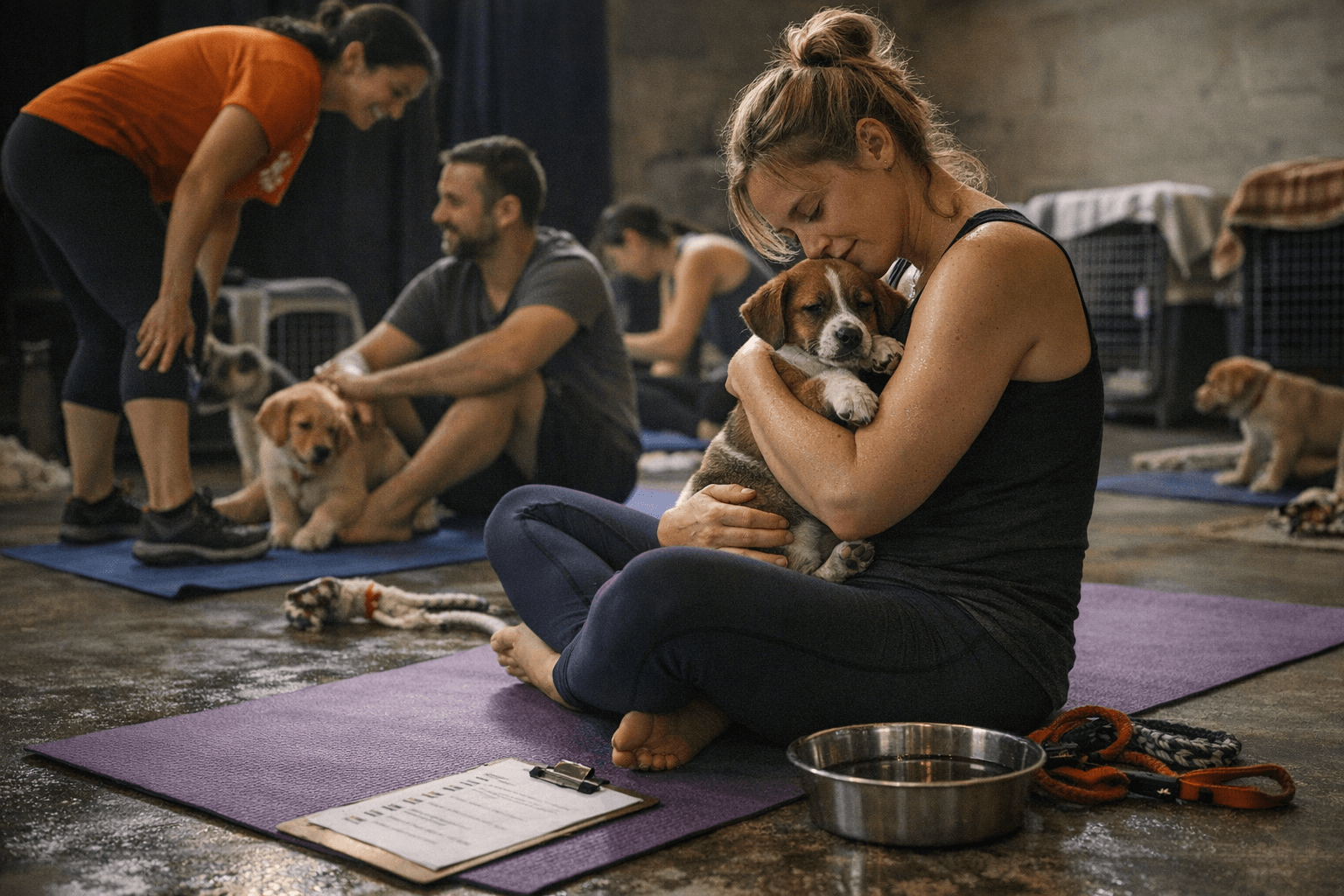
On-site flow and participant experience Map the attendee journey from check-in through the yoga session to pickup, and rehearse it with staff before opening doors. Start with a controlled meet-and-greet separate from the yoga area, then move into shorter, structured doga sessions with scheduled breaks for dogs. Ensure visible signage about handling rules and have a volunteer oversee transitions to prevent crowding around any specific dog.
Health, sanitation, and biosecurity Implement straightforward sanitation protocols: immediate cleanup of any waste, sanitizing of shared surfaces between sessions, and provision of hand-sanitizer stations for participants. Keep towels and cleaning kits on hand, and log any incidents of illness or injury. These measures protect public safety and reinforce the shelter’s duty of care to participating dogs.
Emergency and incident response Prepare a documented emergency plan that names the on-call veterinarian, lists nearest emergency animal hospitals, and details steps for dog or human injuries. Train staff on immediate isolation procedures for injured or distressed dogs and maintain a basic first-aid kit for both people and animals. Because the Event Date is unknown during planning, pre-identify vetted emergency contacts and share them in volunteer briefings so they’re ready the day of the event.
Data, accounting, and post-event follow-through Track registration numbers, donation totals, adoptee leads, and incidents in a single post-event report for the shelter and organizers to review. Report fundraising results openly with partners and donors and log any adoption outcomes that stem directly from the event. Use that data to refine the next doga/puppy-yoga fundraiser and to demonstrate the event’s impact on shelter dogs.
- Confirm event date and permits early (Event Date: Unknown? Lock it in first)
- Document liability coverage and obtain signed waivers
- Require temperament screening and vaccination proof for all dogs
- Assign trained handlers for each shelter dog and train volunteers on stress signals
- Designate rest/decompression zones separate from yoga mats
- Provide sanitation stations and immediate cleanup protocols
- Map attendee flow: meet-and-greet → short doga sessions → breaks → adoption info
- Pre-identify on-call vet and emergency contacts; brief volunteers on isolation steps
- Track attendance, donations, and adoption leads; share a post-event report
Brief, practical checklist (pocket version)
Conclusion Running a doga or puppy-yoga fundraiser requires a protocol-driven balance of canine welfare, public safety, and fundraising clarity—this checklist pulls those threads together so shelters and organizers can deliver safe, rewarding events. Treat these steps as operational imperatives: confirm schedules early, document welfare and safety measures, and measure results so your next doga fundraiser raises more for dogs without compromising their well-being.
Know something we missed? Have a correction or additional information?
Submit a Tip