Chess boxing gains momentum in the U.S. as Americans chase titles
Americans are chasing chess boxing titles as Matt Thomas leads a 15-fighter U.S. push into an 11-round sport built on both calculation and combat.
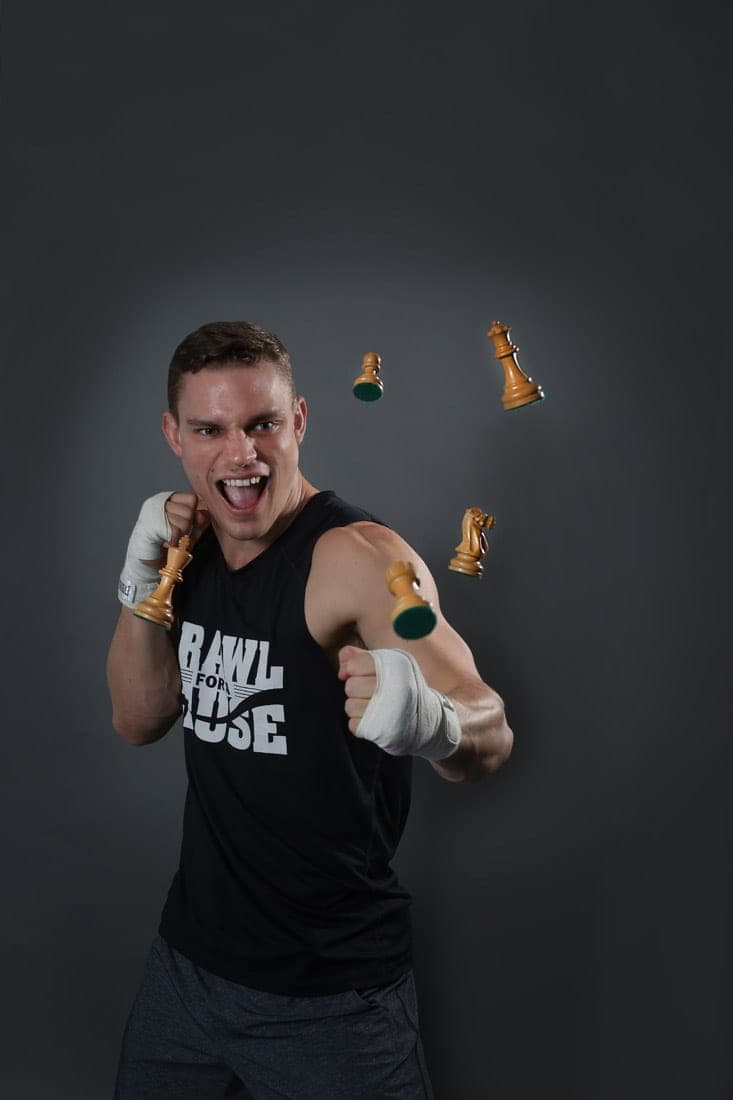
Chess boxing is catching on in the United States because it asks for two kinds of poise at once. A fighter must think several moves ahead, then reset and absorb the shock of a boxing round, all inside the same contest. That mix has helped the sport move from a curiosity into a serious title chase, with Matt Thomas at the center of the American push.
How the match works
A standard chess boxing bout runs for 11 rounds, six rounds of chess and five rounds of boxing, and it begins and ends with chess. The same chess game continues across the chess rounds, while the boxing rounds are woven in between, so every decision on the board carries over into the next phase of the fight.
Victory can come by checkmate or knockout, depending on which arrives first. In some formats, time-out or forfeit can also decide the bout, which makes clock management as important as conditioning. Chessboxing Nation describes the sport as having codified rules since 2003, with chess clocks that can range from three minutes to 12 minutes per player depending on the bout and the competitor’s experience or title level.
That structure gives the sport its peculiar tension. A fighter can spend one round defending a knight fork and the next round defending the body, which means the rhythm of the contest is never fully predictable. Novice bouts can be shorter, using four three-minute chess rounds and three two-minute boxing rounds, a format that lowers the barrier for newcomers while preserving the discipline’s stop-start pressure.
Where the sport came from
The modern sport is closely tied to Dutch performer Ipe Rubingh, who is credited with founding it. The Russian Chess Boxing Federation says Rubingh created the rules, founded the World Chess Boxing Organization in Berlin in 2003, and was among the first two people to actually try the hybrid. That origin story matters because chess boxing was not born as a marketing stunt; it was built, codified, and then practiced until it became a repeatable competition.
From there, the sport found its strongest base in Russia. CBS News has said Russia has more than 500 schools and universities teaching chess boxing, a sign that the discipline has moved beyond fringe exhibition status in at least one national sporting culture. The sport has also reached the Paris area in recent years, which shows how far it has traveled from its Berlin origins and how organized the circuit has become.
Why Americans are getting in the ring
The American side of the story is no longer just about spectacle. In 2018, Matt Thomas became the first American to compete for a world chess boxing title, a milestone that gave U.S. fighters a visible place on the international stage. By 2025, Thomas was leading a team of 15 Americans to the seventh World Chessboxing Championships in Loznica, Serbia, turning a lone breakthrough into something closer to a national effort.
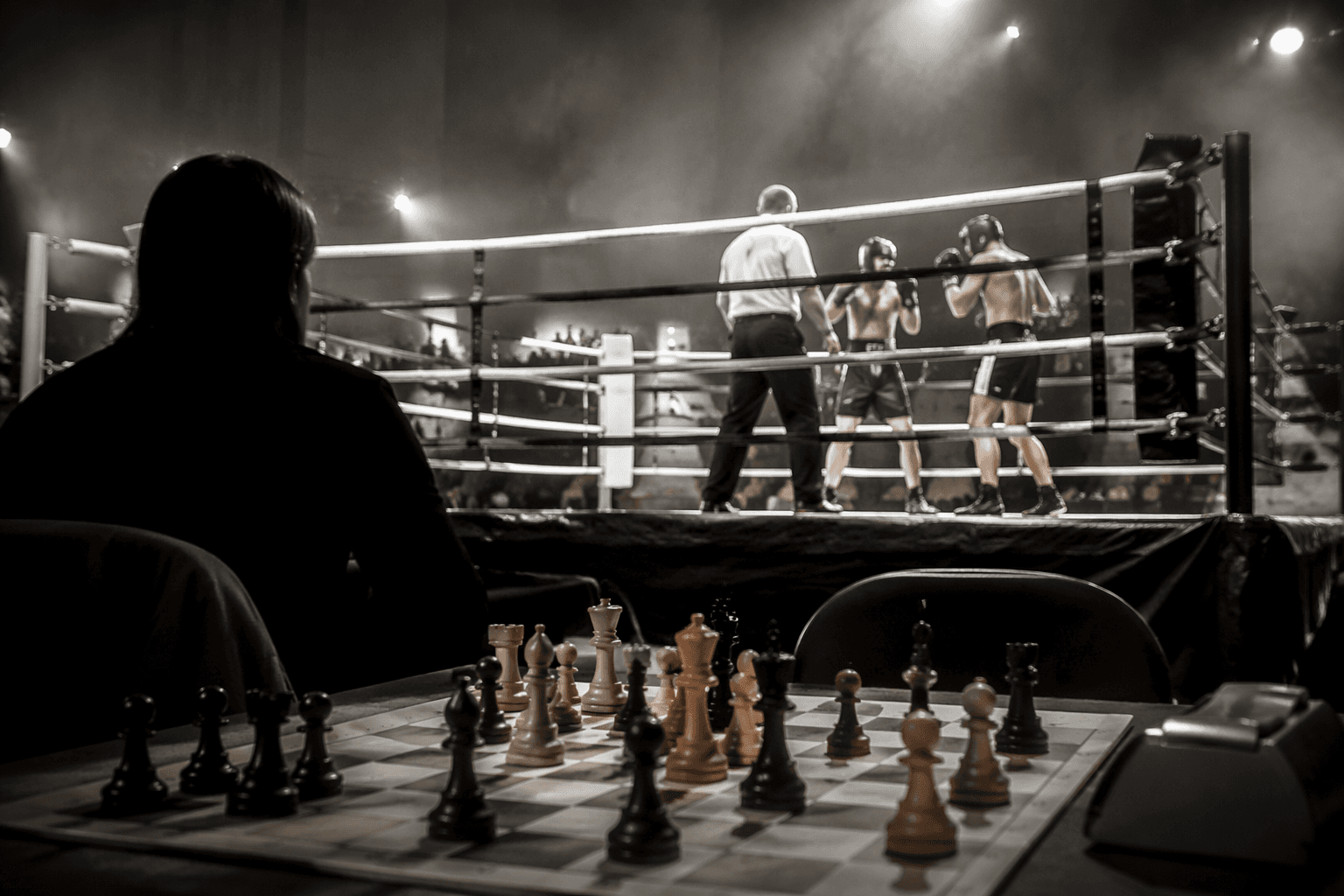
That progression helps explain why the sport resonates now. It rewards a kind of hybrid toughness that sits outside the usual split between so-called mind sports and combat sports. Fighters are not simply boxers who know chess, or chess players who can take a punch; they have to manage breathing, fatigue, memory, and tactical patience in a single contest.
The U.S. catching up also reflects how titles shape participation. Once there is a recognized path to a world championship, the sport stops being a novelty act and starts looking like a ladder. For American competitors, that ladder now runs through international bouts, formal rules, and the same pressure any serious title pursuit carries.
What audiences see in it
Viewers respond to chess boxing because the switch between board and ring is immediate and visible. One moment is quiet calculation, the next is physical collision, and then the same opponent is back at the board trying to convert a line of play into a win. CBS News and 60 Minutes framed that contrast as the essence of the sport, a combination of brains and brawn that makes each round feel like a different test of nerve.
The format also gives spectators something familiar to follow. Chess fans can track piece placement and clock pressure, while boxing fans can read distance, balance, and damage. Because the same game continues through the alternating rounds, the audience does not have to choose between two separate contests; the board and the ring are parts of one escalating problem.
What the rise says about athleticism in America
Chess boxing’s growth points to a broader change in how athleticism is being defined. In a single bout, a competitor must be disciplined enough to calculate under stress and durable enough to keep fighting after the board work ends. That combination challenges the old habit of treating physical power and mental focus as separate domains.
It also helps explain why the sport travels well. A format that can move from Berlin to Russia, from Russian schools to the Paris area, and from a lone American title attempt to a 15-fighter U.S. delegation has a clean competitive logic even if the spectacle still feels unusual. The sport’s momentum comes from that clarity: one ruleset, two skill sets, and a title path that now pulls Americans into the same global contest.
This article was produced by Prism’s automated news system from verified source data, official records, and press releases, then run through automated quality and moderation checks before publishing. The system is built and supervised by the people who set the standards it runs under. Read our full AI policy.
Did this article answer your question?