Chicago markets: Grain futures rose, livestock showed mixed signals
Grain futures moved higher while livestock prices were mixed in early Chicago trading on Jan. 14, affecting local hedging and feed cost decisions for Morgan County producers.
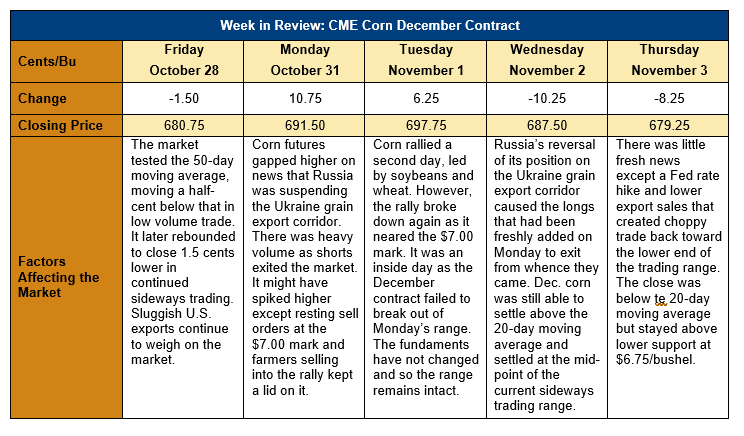
Grain futures at the Chicago Board of Trade traded mostly higher in early session activity on Jan. 14, with March corn, March wheat and March oats among the contracts that advanced. On the Chicago Mercantile Exchange, livestock markets produced mixed results, as live cattle, feeder cattle and hog prices showed uneven direction that left feeders and finishers with competing price signals.
For Morgan County growers, the upward move in grain futures provided a stronger near-term price signal for corn and wheat sellers who use the futures market to set hedges or price sales. Higher futures can translate into firmer cash bids at local elevators when basis remains stable, improving options for farmers deciding whether to price bushels now or hold grain into spring. Early-session gains are especially relevant for producers planning forward contracts or price protections ahead of planting and input purchases.
The split in livestock markets carries a direct feed-cost implication for cattle feeders and hog finishers here. Mixed live cattle and feeder cattle quotes complicate marketing plans for ranchers who balance weighing cattle through feeder lots against retaining animals for additional gain. Hog finishers face the same uncertainty, since higher grain values raise feed bills even as cash hog bids fluctuate. That combination can compress margins for operations that do not have price protection in place.
Local agricultural businesses and co-ops that extend credit or set cash bids will be watching basis and local demand closely in the days following the Chicago moves. Futures give a national reference price, but Morgan County buyers and sellers settle business on cash bids, delivery schedules and feed availability. Small changes in futures can change the calculus for locked-in sales, especially for producers managing input financing or negotiating contracts with local processors.

Commodity traders typically interpret early-session activity as part of a wider mix of supply, weather and demand expectations; for county producers the practical question remains how futures action translates into cash offers and feed costs at the elevator, feed mill or auction barn. Farmers planning marketing or hedging moves should track daily quotes, compare local basis levels, and coordinate timing with elevators and livestock buyers.
What comes next for Morgan County will depend on how futures hold up in the days after Jan. 14, whether local basis widens or narrows, and how feed demand from cattle and hog sectors responds. For now, higher grain futures offer a modest pricing opportunity for crop sellers while mixed livestock signals counsel caution for those managing margins on the livestock side.
Sources:
Know something we missed? Have a correction or additional information?
Submit a Tip