Children’s advocate Robert Coles, Pulitzer-winning author, dies at 97
Robert Coles, who turned children’s testimony into a national subject, died at 97 after a career shaped by Ruby Bridges and the civil-rights era.
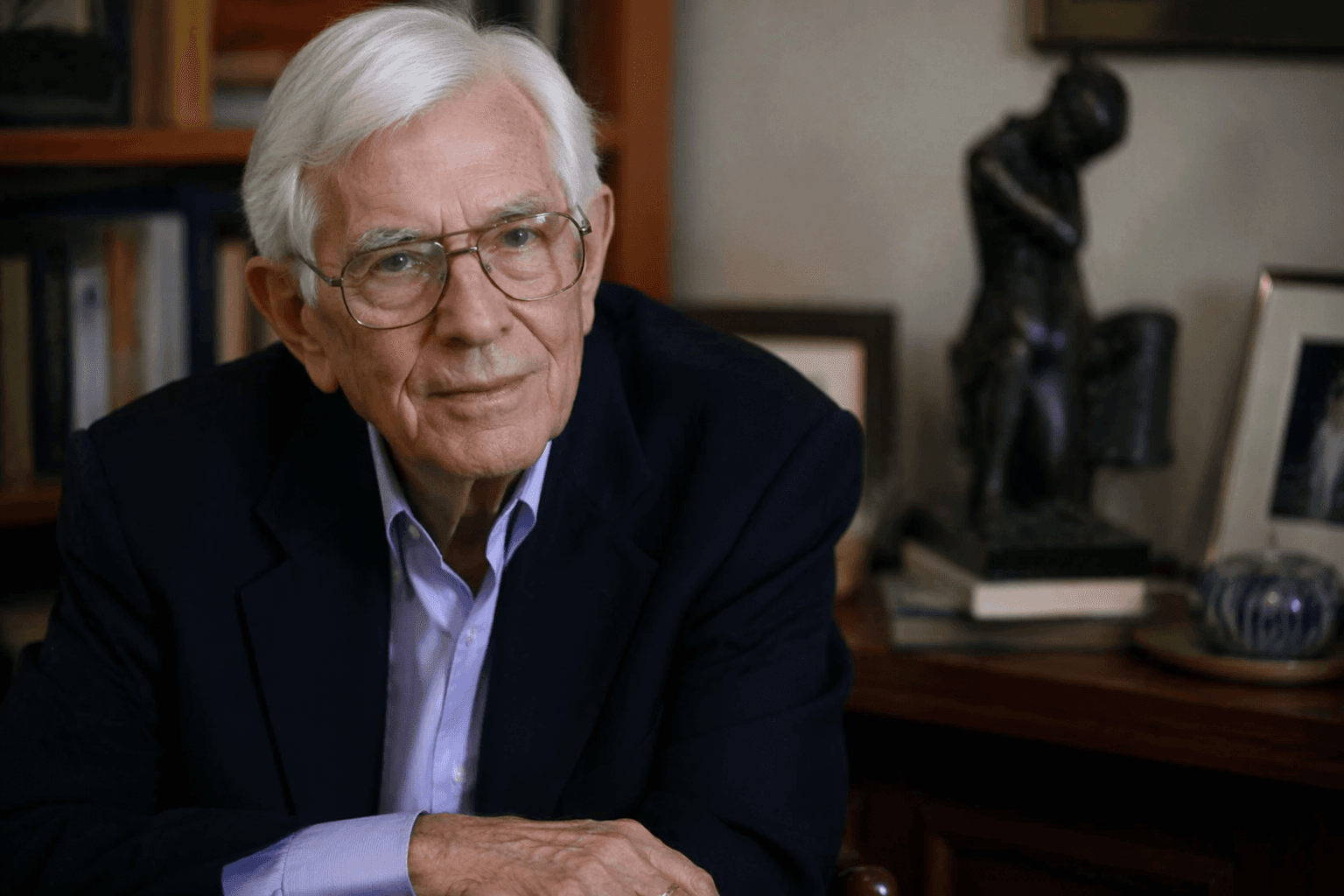
Robert Coles, the Harvard professor emeritus and Pulitzer Prize-winning author who made children’s voices impossible to ignore in American public life, died at 97 on June 4, 2026. His work bridged psychiatry and reporting, giving a wider public a close view of how young people absorbed war, poverty, racial struggle, privilege, isolation and other upheavals.
Coles’s defining achievement was Children of Crisis, a five-volume series published between 1967 and 1977. Built on conversations with children and an oral-history approach that was still unusual in serious nonfiction, the books treated children not as background figures but as witnesses to the country’s moral and political strains. The series won the Pulitzer Prize in General Nonfiction in 1973 and became a touchstone for understanding childhood during a turbulent stretch of U.S. history.
The books’ reach went well beyond literary acclaim. By centering children who were living through civil-rights-era conflict and its aftermath, Coles changed the way journalism and medicine could describe social damage. He treated poverty and racial conflict not as abstractions, but as forces felt in the daily language, fears and judgments of children. That method helped establish childhood as a serious lens for studying the United States itself, including questions of moral development, spiritual life and psychological resilience.
One obituary account said Coles was deeply shaped by encountering Ruby Bridges, and that experience steered much of his career toward documenting the effects of social and political unrest on young people. That focus gave his writing a distinct authority: it was clinical without being detached, and moral without turning didactic. Coles listened first, then interpreted what children were saying about the world around them.
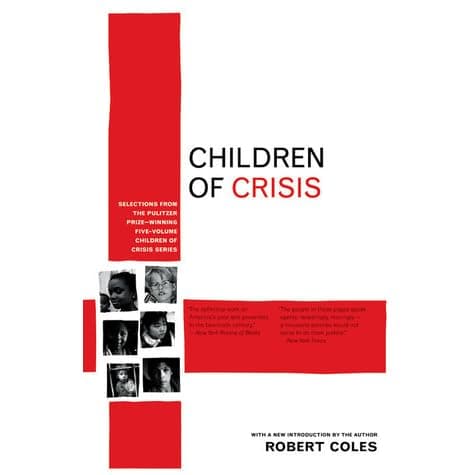
A Harvard biography says Coles wrote more than 55 books and 1,200 articles and essays. Other accounts place the total at more than 50 books. However the tally is counted, the scale was extraordinary, and the influence of Children of Crisis endured because it made children’s voices a serious subject of American public life. In that sense, Coles’s legacy was larger than a single prize or a single discipline. He helped change what the country was willing to hear from its youngest citizens.
This article was produced by Prism’s automated news system from verified source data, official records, and press releases, then run through automated quality and moderation checks before publishing. The system is built and supervised by the people who set the standards it runs under. Read our full AI policy.
Did this article answer your question?


