Children's grief book author convicted in husband's murder case
A Utah jury found Kouri Richins guilty after prosecutors tied Eric Richins’ fentanyl death to debt, insurance payouts and a children’s grief book she later promoted.

Kouri Richins was convicted after prosecutors said the mother of three built a financial case for murder around Eric Richins’ death, then wrapped her public image in a children’s grief book that cast her husband as an angel watching over their sons.
The Summit County jury returned guilty verdicts in March 2026 on aggravated murder, attempted aggravated murder, forgery and insurance fraud after about three hours of deliberation. On May 13, 2026, the judge sentenced Richins to life in prison without the possibility of parole, a date that was Eric Richins’ 44th birthday.

Prosecutors said Eric Richins died on March 4, 2022, from fentanyl intoxication, with an autopsy finding a level they said was about five times the lethal dose. They told jurors that the fatal overdose followed an earlier attempt to kill him on Valentine’s Day 2022 with a fentanyl-laced sandwich.
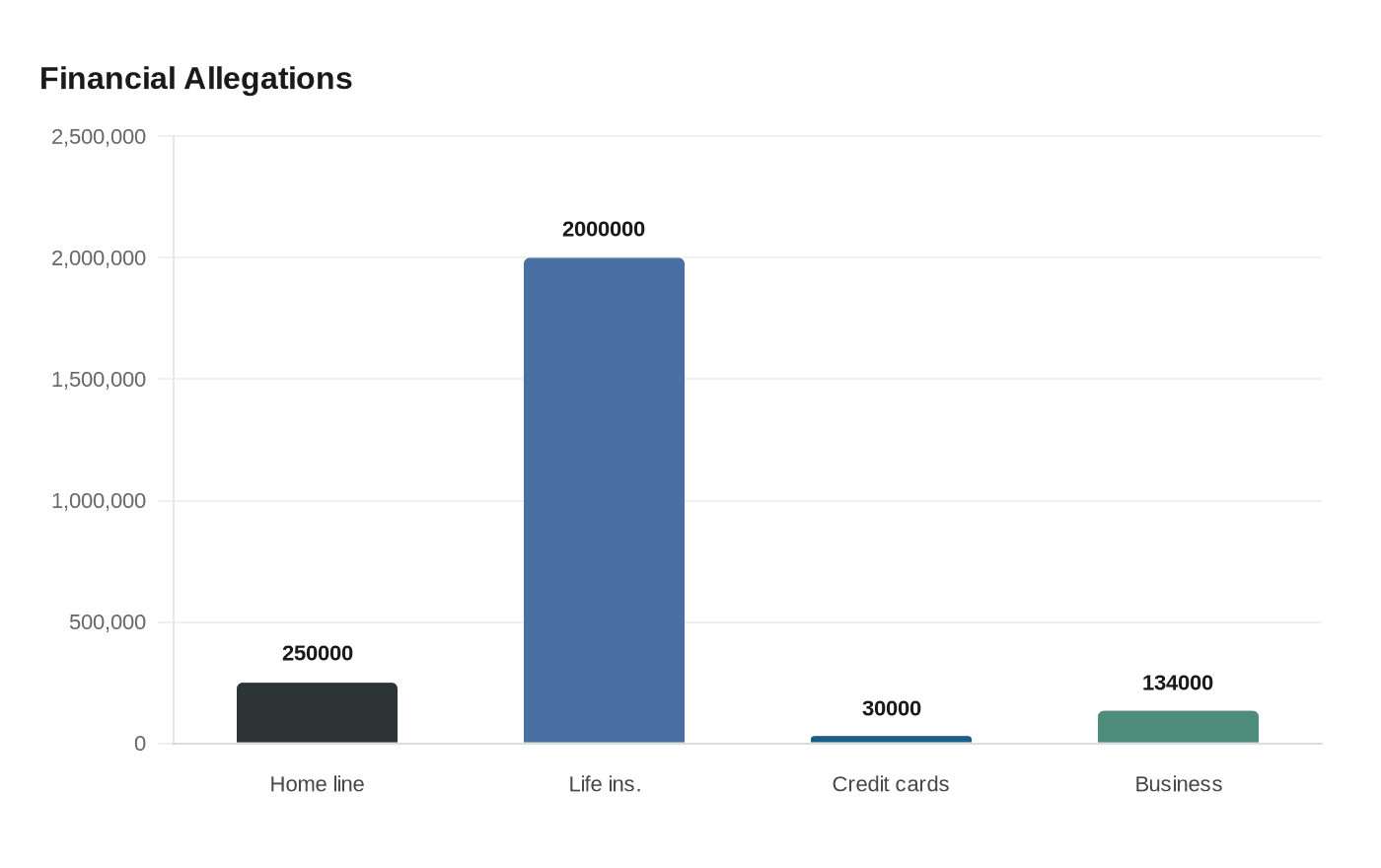
The state’s financial theory centered on mounting debt and hidden money moves. Prosecutors said Richins started a house-flipping business in 2019 and tapped a $250,000 home-equity line of credit secured by the family home to keep projects moving until the credit was maxed out. They also alleged she had taken out four life-insurance policies on Eric Richins’ life between 2015 and 2017 without his knowledge, with benefits totaling nearly $2 million.

Court records said Eric Richins discovered major financial activity in October 2020 and then met with a divorce attorney and an estate planner. Prosecutors said Richins later withdrew money from his bank accounts, spent more than $30,000 on his credit cards and took about $134,000 from his business, money that was supposed to go toward taxes.
The case drew wider attention because Richins self-published Are You with Me? in 2023, presenting it as a children’s grief book to help her sons cope after their father’s death. The book’s promotional description portrayed a child whose father remains present as an angel watching over him. Prosecutors said the book was ghostwritten and was part of a broader effort to sustain a sympathetic public narrative while evidence pointed to motive, planning and financial gain.
Richins’ defense attorneys said they plan to appeal and seek a new trial. The conviction closed a yearslong case built around forensic evidence, bank records, insurance forms and the sharp contrast between a polished image of family healing and the prosecution’s account of deception.
This article was produced by Prism’s automated news system from verified source data, official records, and press releases, then run through automated quality and moderation checks before publishing. The system is built and supervised by the people who set the standards it runs under. Read our full AI policy.
Did this article answer your question?

