Chile's Rubin Observatory begins decade-long film of the universe
Rubin Observatory started its 10-year sky survey in Chile, sending about 20 terabytes of images a night and up to 500 petabytes over the mission.
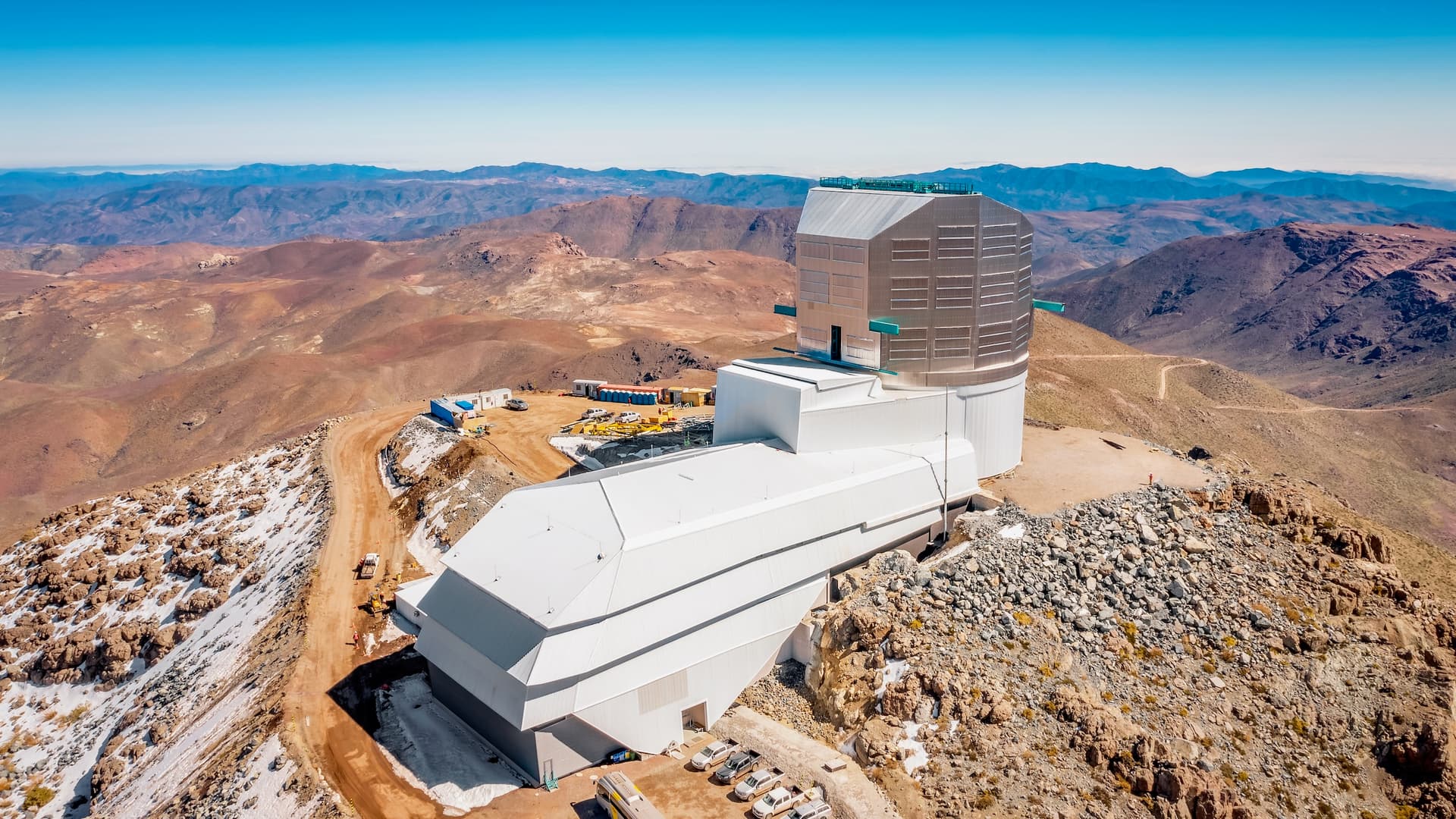
Chile's NSF–DOE Vera C. Rubin Observatory began its 10-year Legacy Survey of Space and Time on Cerro Pachón, turning an 8.4-meter telescope and 3.2-gigapixel camera toward the southern sky for a nightly sweep of the heavens. The joint project of the U.S. National Science Foundation and the U.S. Department of Energy’s Office of Science is built to do more than collect pretty pictures: it is designed to probe dark matter and dark energy, inventory solar system objects, track the transient sky and map the Milky Way.
The observatory’s location in northern Chile gives it a clear view of the Southern Hemisphere sky, and its strategy is repeated observation rather than a single deep snapshot. Rubin’s official materials say it will scan the sky every night for ten years, creating an ultra-wide time-lapse record of change. That approach is expected to generate about 20 terabytes of data each night and roughly 500 petabytes over the life of the survey, a scale that makes the computing side of astronomy nearly as important as the telescope itself.
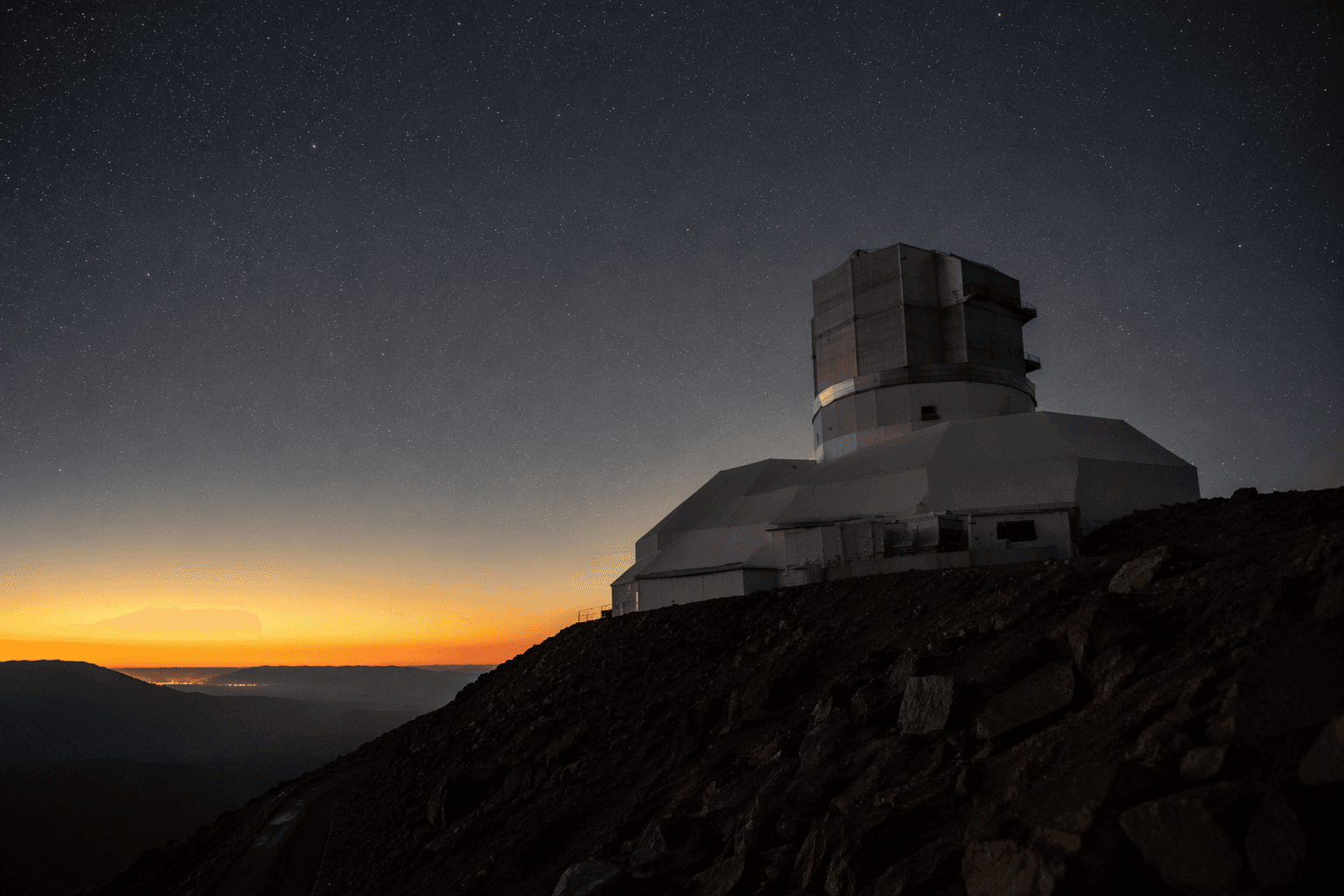
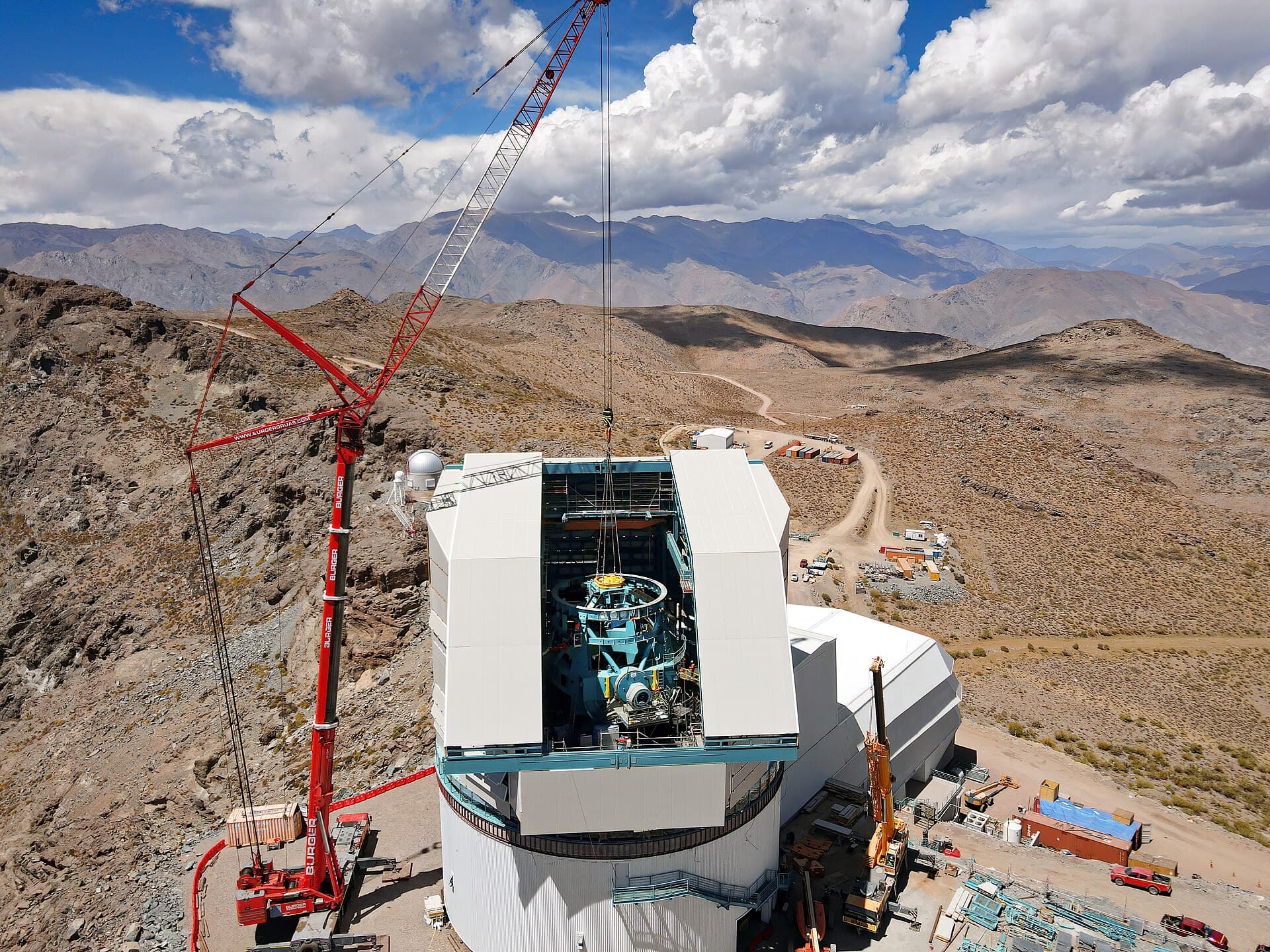
The project has been a long time coming. Rubin’s history traces the idea to the early 1990s, and NSF budget materials say construction began in August 2014. The observatory first released imagery in June 2025, a milestone that showed nebulae, millions of galaxies and thousands of asteroids and marked the start of what Rubin described as an “ever-changing universe.” Those early images were a preview of the survey’s core promise: not just depth, but motion.
That ability to catch change has immediate implications for planetary defense as well as cosmology. In early 2026, Rubin’s pre-survey observations identified a fast-rotating asteroid more than 500 meters across, underscoring how a telescope built for deep-sky science can also spot objects that move quickly through the solar system. Over the next decade, the flood of nightly images from Cerro Pachón is likely to become a global data engine for astronomers, forcing ever greater reliance on automation and advanced computing to sort the universe’s fleeting events from its fixed lights.
This article was produced by Prism’s automated news system from verified source data, official records, and press releases, then run through automated quality and moderation checks before publishing. The system is built and supervised by the people who set the standards it runs under. Read our full AI policy.
Did this article answer your question?