China blasts Pentagon list targeting major Chinese firms, warns retaliation
Beijing blasted Washington’s latest Pentagon blacklist of 188 Chinese firms, warning retaliation as new limits on Alibaba, Baidu, BYD and NIO phased in.
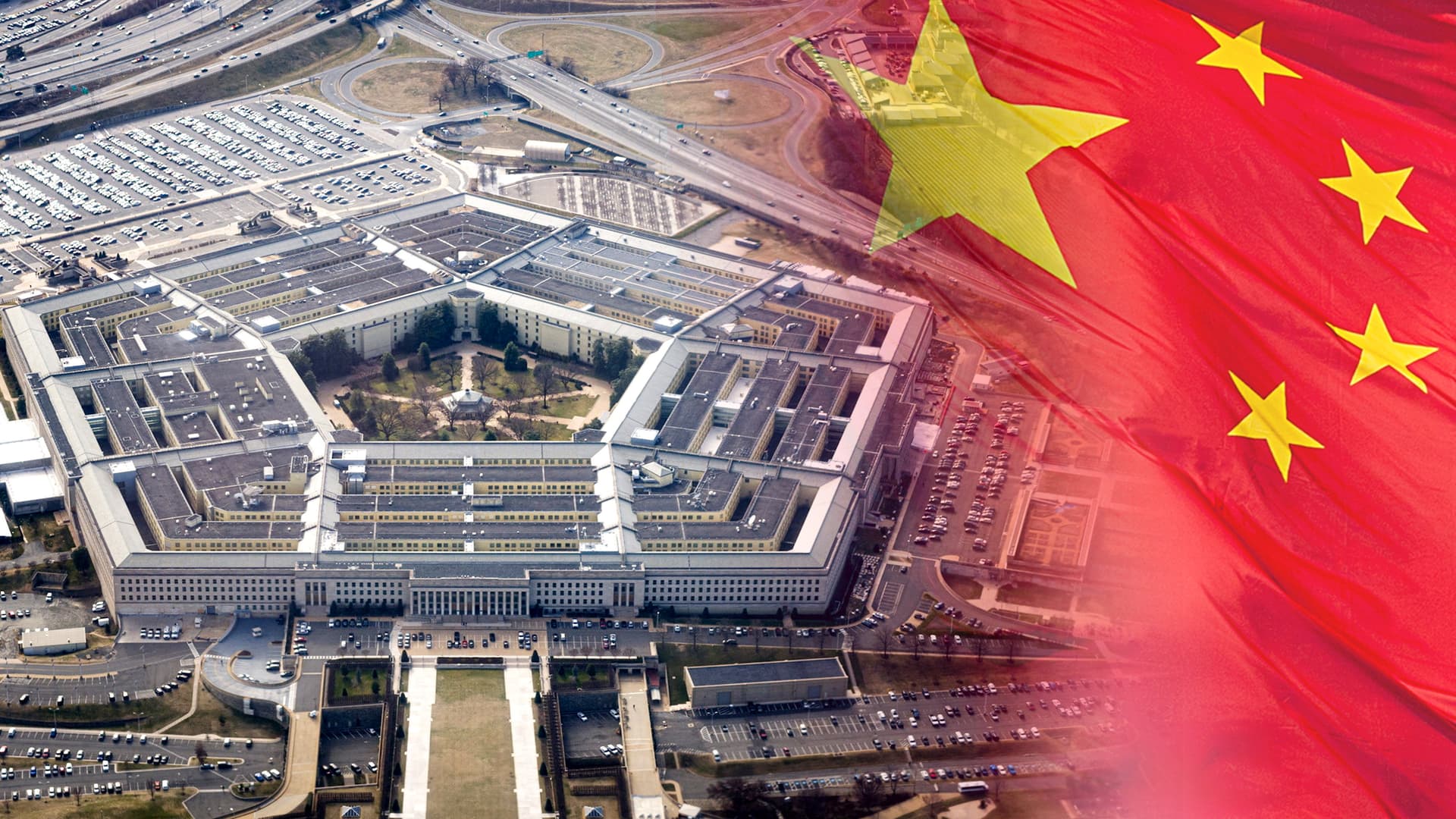
China’s commerce ministry said it was strongly dissatisfied with Washington’s decision to expand the Pentagon’s list of companies it says aid the Chinese military, and warned that Beijing would retaliate if Chinese firms are not treated fairly. The move lands at a delicate moment in U.S.-China relations because it reaches beyond obvious defense suppliers and into civilian industries that Washington believes can feed China’s military-civil fusion system.
The Pentagon said on June 8, 2026 that it had identified 188 entities for the updated Section 1260H list, a designation that bars direct contracting with the Defense Department later this month and restricts purchases through third parties starting in June 2027. The list included Alibaba Group Holding Limited, Baidu Inc., BYD Co., NIO Inc., Trina Solar and JA Solar Technology. The designation document says Alibaba is indirectly affiliated with the State-owned Assets Supervision and Administration Commission and is a military-civil fusion contributor because it is affiliated with the Ministry of Industry and Information Technology.
The 1260H label is not the same as sanctions, and it does not automatically freeze assets or impose a broad trade ban. Its power lies in access and perception: it can shut firms out of U.S. government business, complicate supply-chain decisions, raise compliance costs and make investors more cautious long before any separate sanctions package arrives. The Defense Department also said it may update the list again as appropriate and reserves the right to take further action under other authorities.
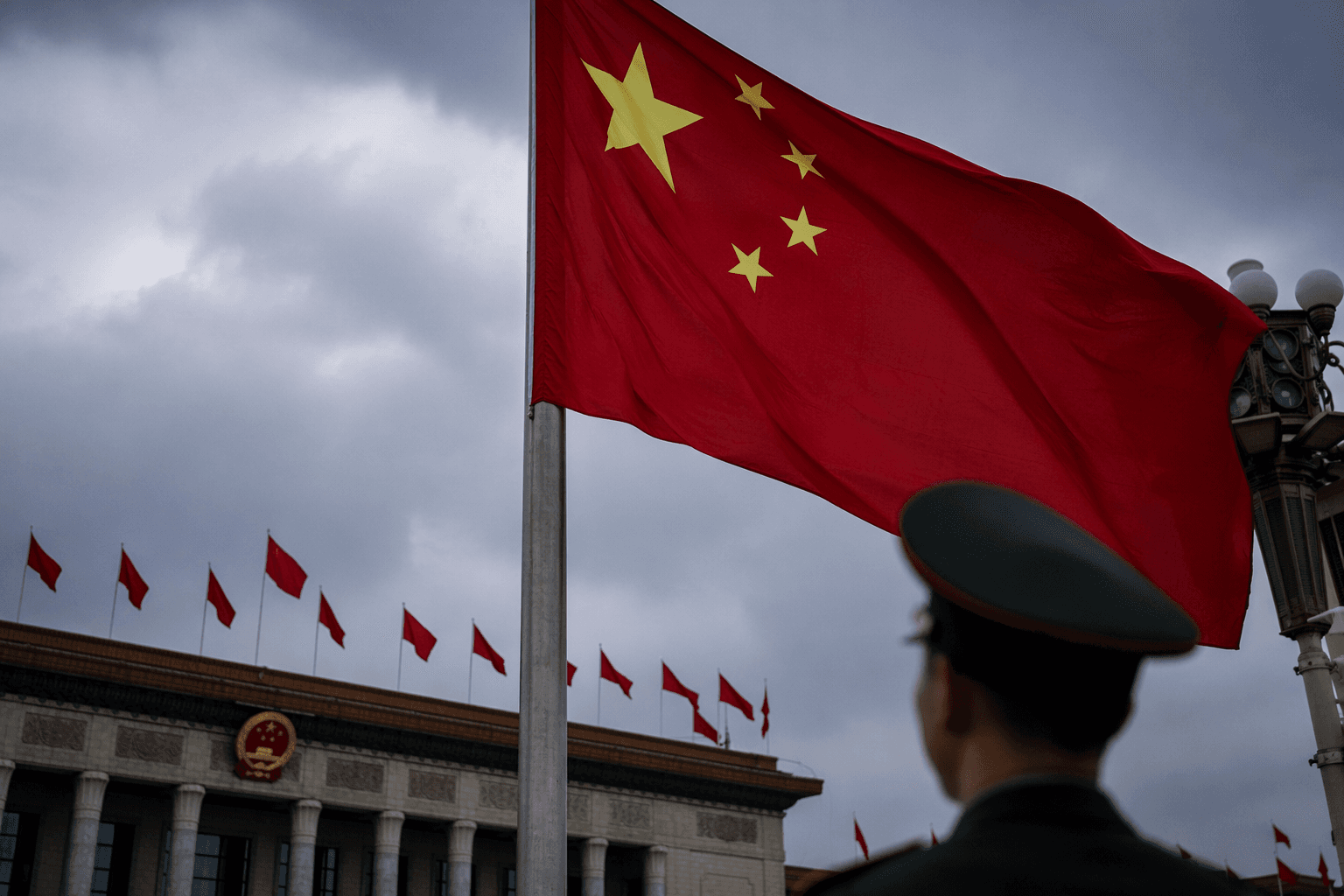
The timing added to the political strain. The latest move came about a month after Donald Trump met Xi Jinping in Beijing, and China’s foreign ministry said the Pentagon action “ignored the consensus” reached by the two leaders. Beijing also said it would “inevitably retaliate resolutely and forcefully” if Chinese companies were not treated fairly. The Pentagon had briefly posted a similar expanded list in February 2026 before withdrawing it without explanation, underscoring how sensitive the process had become ahead of the Trump-Xi meeting.
For U.S. markets and policymakers, the update is another sign that the split with China is widening from chips and export controls into consumer internet, electric vehicles, batteries, solar, networking and other civilian sectors. For Chinese companies, the immediate risks are reputational damage, slower overseas expansion, and more difficult financing and partnerships. For Washington, the list offers a narrower pressure tool than a full embargo, but one that still pushes American buyers, suppliers and investors to reduce exposure to Chinese technology at the center of a larger industrial rivalry.
This article was produced by Prism’s automated news system from verified source data, official records, and press releases, then run through automated quality and moderation checks before publishing. The system is built and supervised by the people who set the standards it runs under. Read our full AI policy.
Did this article answer your question?