China blocks early Nvidia H200 shipments, suppliers pause production
Chinese customs instructed agents to block Nvidia’s H200 AI processors, stalling planned deliveries and prompting some suppliers to halt assembly lines.
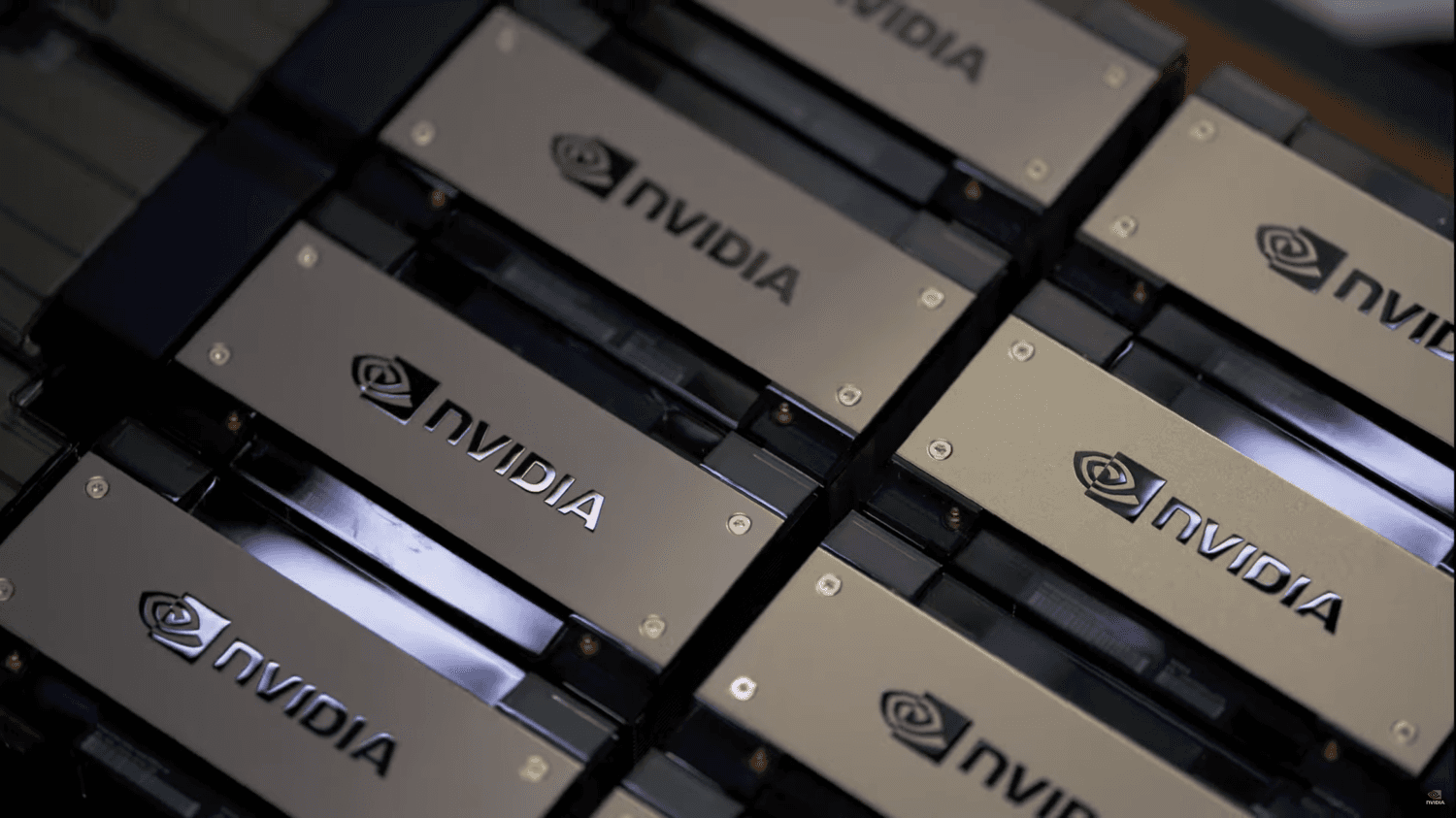
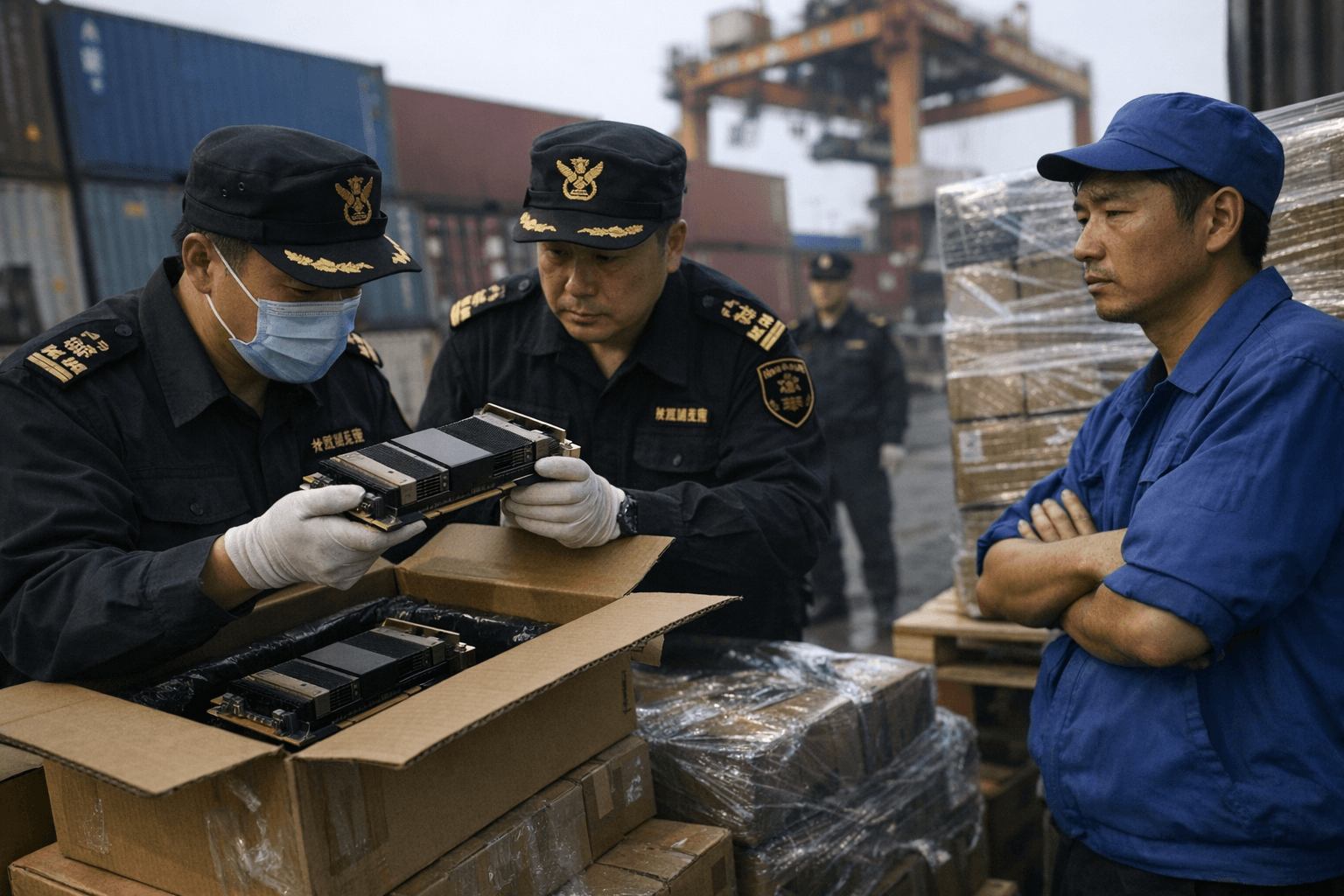
Chinese customs authorities instructed agents and logistics firms to block shipments of Nvidia’s H200 AI processors from entering the mainland, industry sources and customs briefings show, prompting suppliers to pause production and rattling plans for early deliveries.
The directive came after recent U.S. export decisions had allowed H200 chips to be sent to China under controlled conditions, spurring efforts by Nvidia and its partners to organize shipments for a strong anticipated market. Suppliers had been operating around the clock to meet what industry figures characterize as unusually large demand, with one commonly cited estimate of more than 1 million orders, and early shipments were being staged with deliveries planned for March 2026.
Sources say some consignments arrived in Hong Kong this week before customs officials intervened. Customs agents and at least one logistics company in Shenzhen were reportedly told the H200 processors were not permitted into the country, and staff were instructed to prevent those items from clearing Chinese customs. Officials provided no public explanation for the move, and sources described the matter as sensitive and unclear in legal status, whether the instruction represents a temporary operational hold, a targeted restriction, or the start of a broader import ban remains unspecified.
The immediate industrial impact was nontrivial. Several suppliers of parts and components for the H200 paused production lines after being told shipments could not proceed, and a number of Chinese buyers cancelled orders amid the uncertainty. Industry contacts also reported buyers and intermediaries seeking alternative channels, and some suppliers flagged nascent secondary markets for other advanced Nvidia chips, though those accounts have not been independently verified.
Chinese government engagement with domestic firms appears to have intensified alongside the customs action. Officials summoned executives from major technology groups and warned them against purchasing the H200 chips "unless necessary," urging companies to prioritize domestic alternatives. Companies identified in discussions include large cloud and internet groups that would be among the biggest potential users of high-end accelerators, underscoring the stakes for China’s broader AI ambitions.
The H200 is widely regarded within the industry as one of Nvidia’s most powerful AI processors and a high-profile test case in the management of advanced semiconductor flows between the United States and China. The incident highlights a persistent policy dilemma for Beijing: allowing access to state-of-the-art hardware could accelerate domestic AI development, while restricting imports may be intended to protect or nurture local semiconductor industry capacity and manage strategic risk.
Independent verification of the customs instructions remains limited, and Nvidia had not issued a public statement in the immediate aftermath. The episode adds fresh uncertainty to the global AI hardware supply chain and could delay plans for large-scale deployments in China if the blockage persists. How authorities will reconcile controlled-export frameworks with domestic regulation, and whether exemptions will be granted for selected projects, are open questions that will determine the pace of resolution and the sector’s next steps.
This article was produced by Prism’s automated news system from verified source data, official records, and press releases, then run through automated quality and moderation checks before publishing. The system is built and supervised by the people who set the standards it runs under. Read our full AI policy.
Did this article answer your question?