China courts Moldova as it balances Russia ties and Europe outreach
China pressed closer to Moldova in Beijing as Putin was in town too, exposing how Beijing courts Europe’s edge without breaking with Moscow.
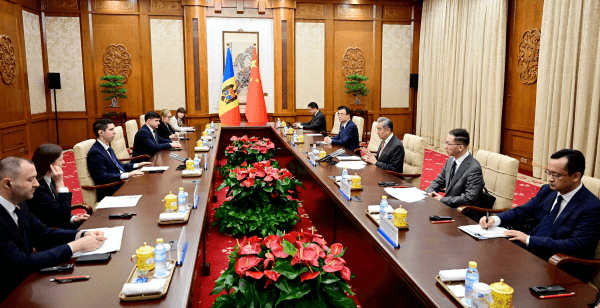
China used a high-level meeting with Moldova to show it still wants influence on Europe’s eastern edge, even as it keeps close political coordination with Russia and refuses to condemn Moscow’s war in Ukraine. In Beijing, Foreign Minister Wang Yi told Moldovan Deputy Prime Minister and Foreign Minister Mihai Popsoi that China “cherishes” its relationship with Moldova and wants to deepen it further. China’s foreign ministry said the two countries are “friendly partners.”
The timing gave the meeting added weight. Popsoi was in China from May 21 to May 25 at Wang’s invitation, and the talks took place in Beijing on May 21, just after Vladimir Putin completed a heavily staged 24-hour visit to the Chinese capital, where he and Xi Jinping agreed to increase coordination and mutual support. For Beijing, the pairing underscored a familiar balancing act: maintain strategic alignment with Moscow while keeping diplomatic doors open across Europe, including in countries wary of Russia’s war in neighboring Ukraine.
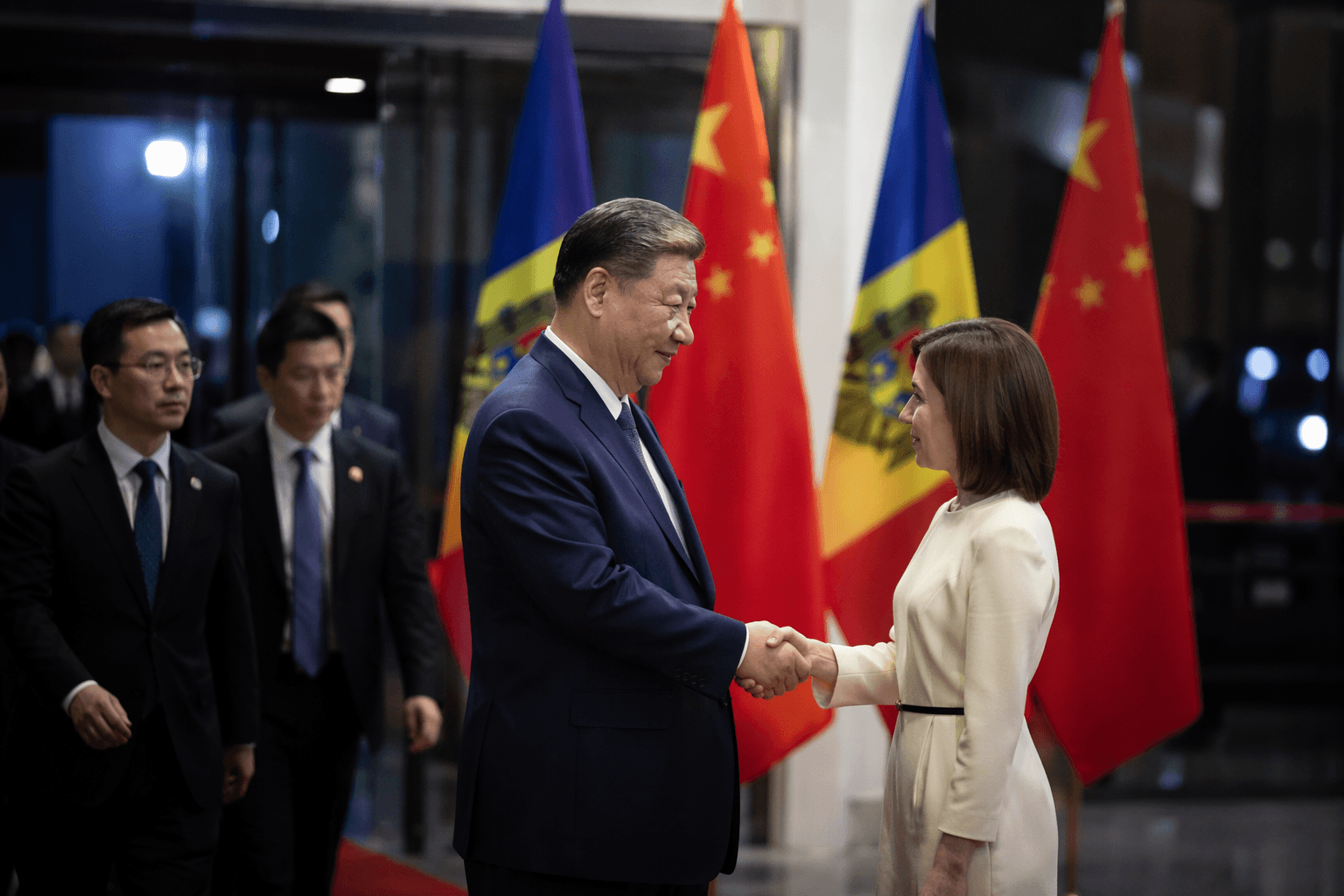
Moldova made the visit especially sensitive. The country borders Ukraine, has backed Kyiv since the invasion began and wants to join the European Union by 2030. The European Commission granted Moldova candidate status on June 23, 2022, and opened accession negotiations in 2024. On May 8, EU foreign policy chief Kaja Kallas said the bloc wanted to move fast on Moldova’s accession process, but had not set a date for opening formal talks.
Security concerns still shadow Moldovan politics. Transnistria, the separatist pro-Russian enclave that broke away when Moldova was still part of the Soviet Union, hosts roughly 1,500 Russian troops. On May 17, Moldovan leaders denounced Russia’s easing of citizenship rules for residents of Transnistria as a threat, a reminder that Moscow’s leverage over the enclave remains a live issue.
China has not joined Western governments in condemning the invasion, instead pressing for a political settlement through dialogue and negotiation. That stance lets Beijing preserve its Russian partnership while courting smaller Eastern European states that want access to Chinese markets and investment. China and Moldova established diplomatic relations on January 30, 1992, and Moldovan officials say China is now one of the country’s main trading partners, with bilateral trade expected to hit a record in 2025.
Economic ties have steadily widened alongside the diplomacy. Moldova recently signed export protocols for grape seeds and sunflower flour to the Chinese market, and a 2024 China-Moldova trade and investment forum in Chișinău drew more than 200 representatives from government agencies and businesses. For Beijing, Moldova offers a way to project reach without confronting Moscow head-on. For Chișinău, the challenge is to benefit from Chinese engagement while staying anchored to Europe, where Ukraine remains the central dividing line.
Know something we missed? Have a correction or additional information?
Submit a Tip

