China cuts gasoline and diesel prices as Iran war lifts crude costs
Beijing cut fuel caps again as war-fueled crude costs stayed high, giving drivers modest relief while demand, imports and refinery margins stayed weak.

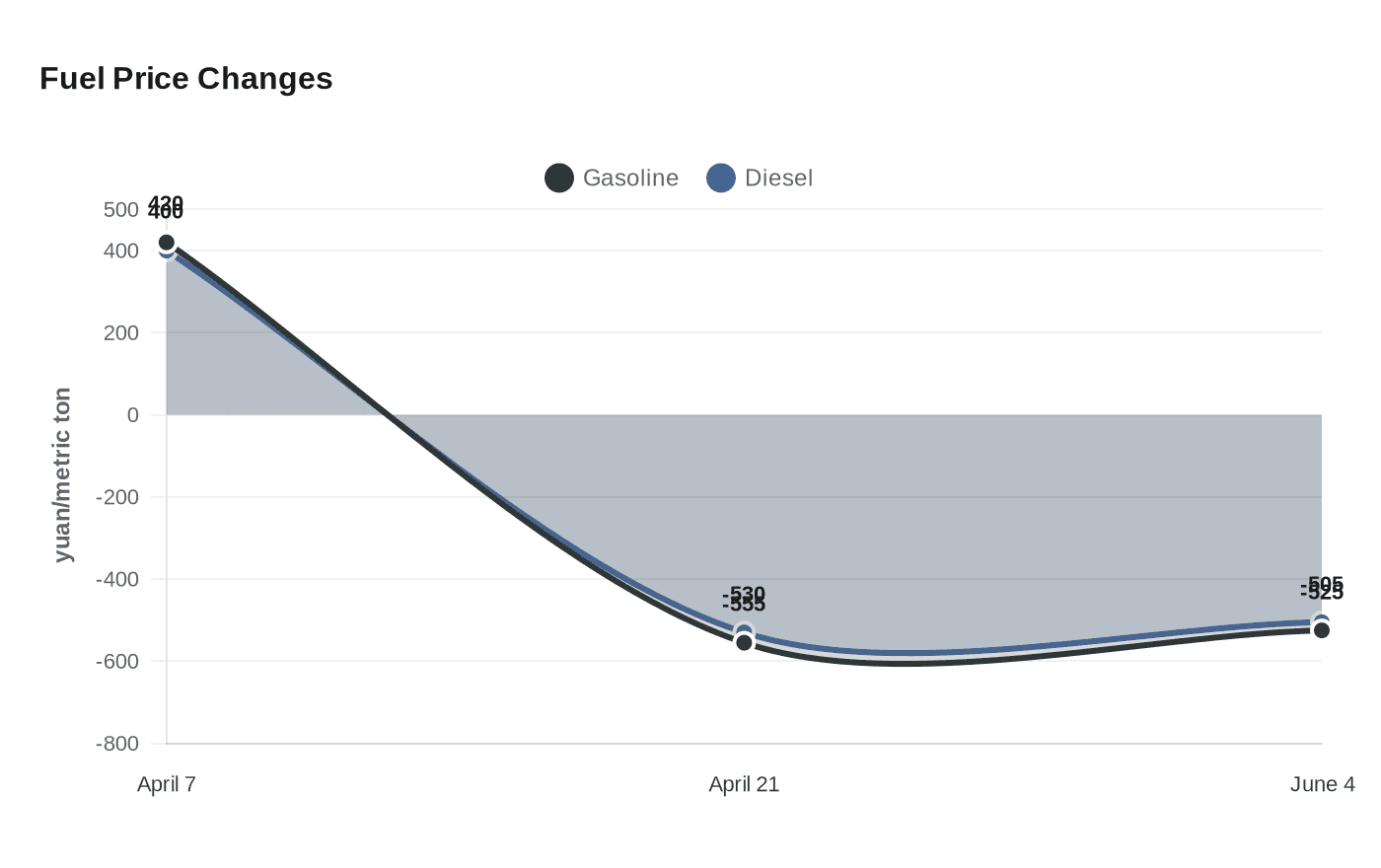
Beijing cut gasoline and diesel prices even as war-driven crude markets remained unsettled, using its controlled pricing system to cushion Chinese consumers and transport firms while global oil prices stayed elevated. From 24:00 on June 4, the National Development and Reform Commission lowered gasoline retail caps by 525 yuan per metric ton and diesel by 505 yuan, a move it said would trim about 20.5 yuan from the cost of filling a 50-litre tank with 92-octane petrol.
The adjustment came through China’s 10-working-day fuel-pricing mechanism, which links domestic pump prices to changes in international crude while also factoring in processing costs, taxes, distribution expenses and a set profit margin. In practice, that means Beijing can soften the impact of sharp oil swings without fully passing them through to motorists and trucking companies. The NDRC also told China National Petroleum Corporation, China Petrochemical Corporation and China National Offshore Oil Corporation, along with other refiners, to keep production and transport running smoothly, while regional authorities were ordered to tighten market supervision and crack down on pricing violations.
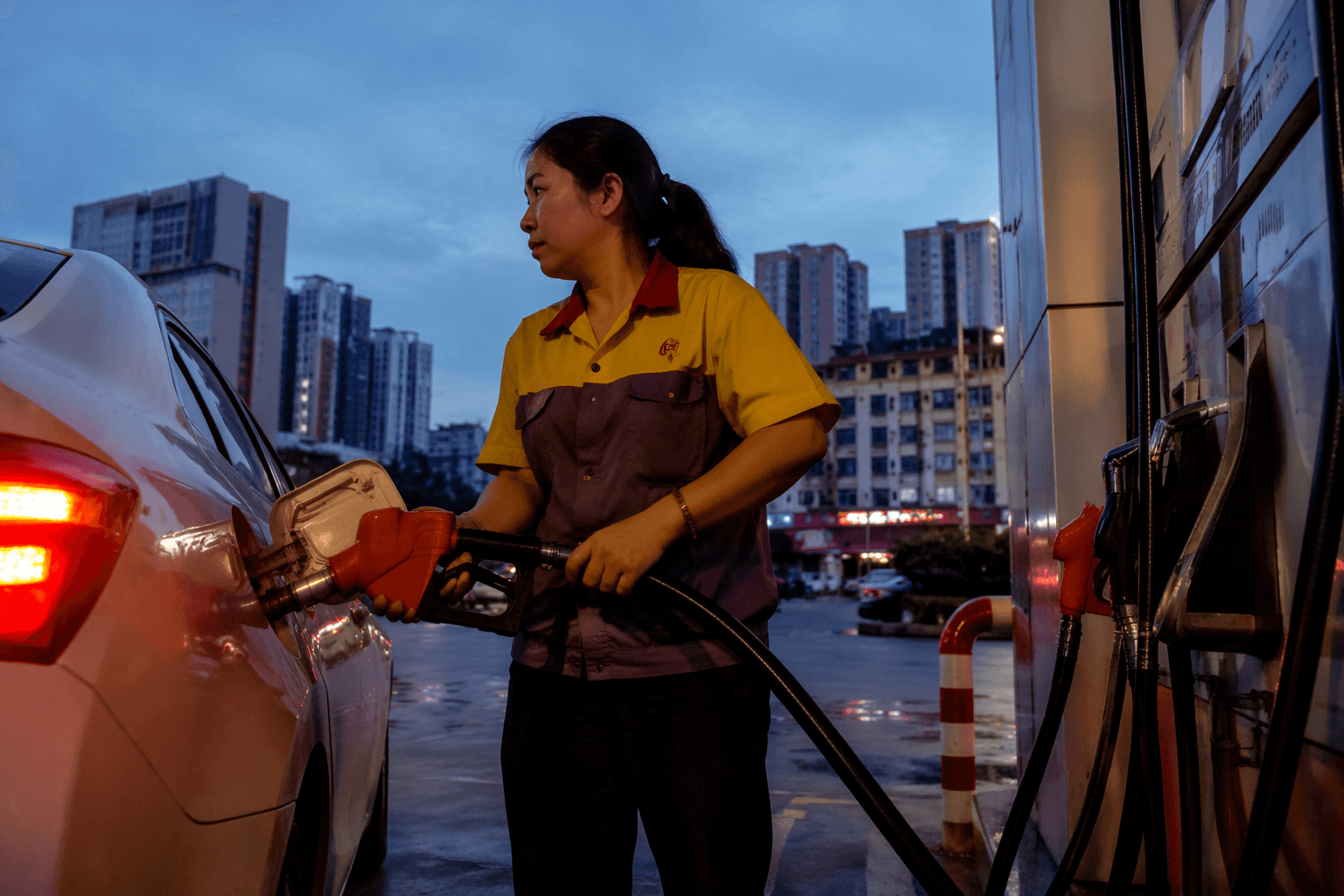
For freight operators and factory managers, the cut offers only modest help, but it matters in an economy where diesel costs ripple through trucking, logistics and industrial supply chains. The timing also highlights a split in China’s energy market: pump prices are falling, yet demand is not recovering strongly. OilChem data cited in Reuters-linked reporting showed gasoline consumption in China down about 16% year on year in April and May, while diesel use fell about 13%. Analysts said higher fuel prices, electric-vehicle substitution and softer economic activity have all kept demand under pressure, even with seasonal travel and harvest-related demand offering brief lifts.

The latest cut was the second reduction since the war that began with US and Israeli strikes on Iran on February 28, after three earlier increases had lifted retail prices sharply under the same state-managed formula. On April 21, Beijing cut gasoline by 555 yuan per tonne and diesel by 530 yuan after earlier hikes, including an April 7 increase of 420 yuan for gasoline and 400 yuan for diesel. The pattern shows how China’s pricing system is trying to absorb geopolitical shocks without letting domestic fuel costs swing as wildly as crude.
The pressure on Chinese demand is also showing up in imports and inventories. One Reuters-linked report said May seaborne crude imports could fall to 6.451 million barrels per day, down from 8.1 million in April, while another said overall crude imports in April dropped about 20% from a year earlier to 9.3 million bpd. With independent refiners drawing down stockpiles and wholesale prices undercut to clear inventory, refining margins have turned deeply negative. Kpler projected in January that China’s 2026 oil demand growth would be led by petrochemicals, while transport fuels would continue to contract, a sign that even cheaper pump prices may not restore the old fuel-demand growth story.
This article was produced by Prism’s automated news system from verified source data, official records, and press releases, then run through automated quality and moderation checks before publishing. The system is built and supervised by the people who set the standards it runs under. Read our full AI policy.
Know something we missed? Have a correction or additional information?
Submit a Tip