China exports jump 27% as trade surplus widens in June
China’s exports rose 27% in June, far above forecasts, even as import growth hit a five-year high and the trade surplus widened to $125.6 billion.
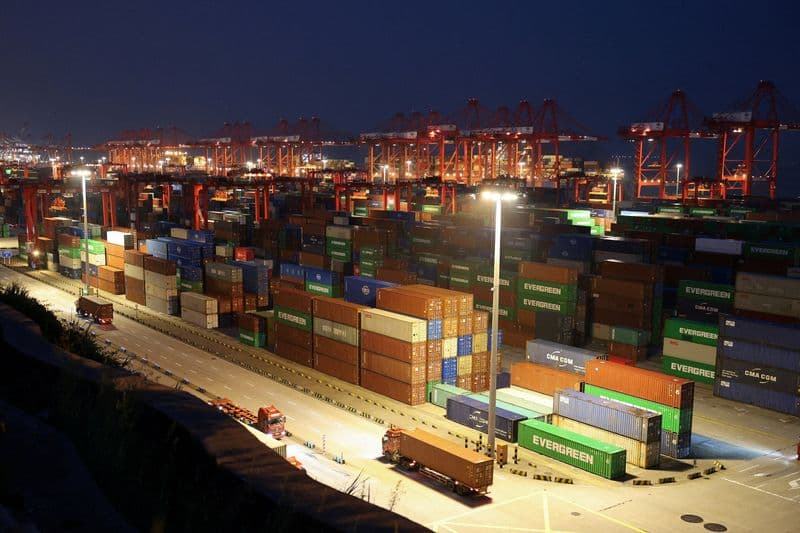
China’s export machine accelerated sharply in June, but the more revealing number was the gap it opened over expectations. Exports rose 27% from a year earlier, the fastest pace since October 2021, while imports jumped 36%, the biggest gain since June 2021, pushing the monthly trade surplus to $125.6 billion from $105.4 billion in May.
The strength came through well ahead of economist forecasts. A Reuters survey had pointed to export growth of about 18.2% and import growth of around 24%, but both were exceeded as Chinese manufacturers moved goods faster and demand held up in key categories. The General Administration of Customs of China published the June trade data on July 14.
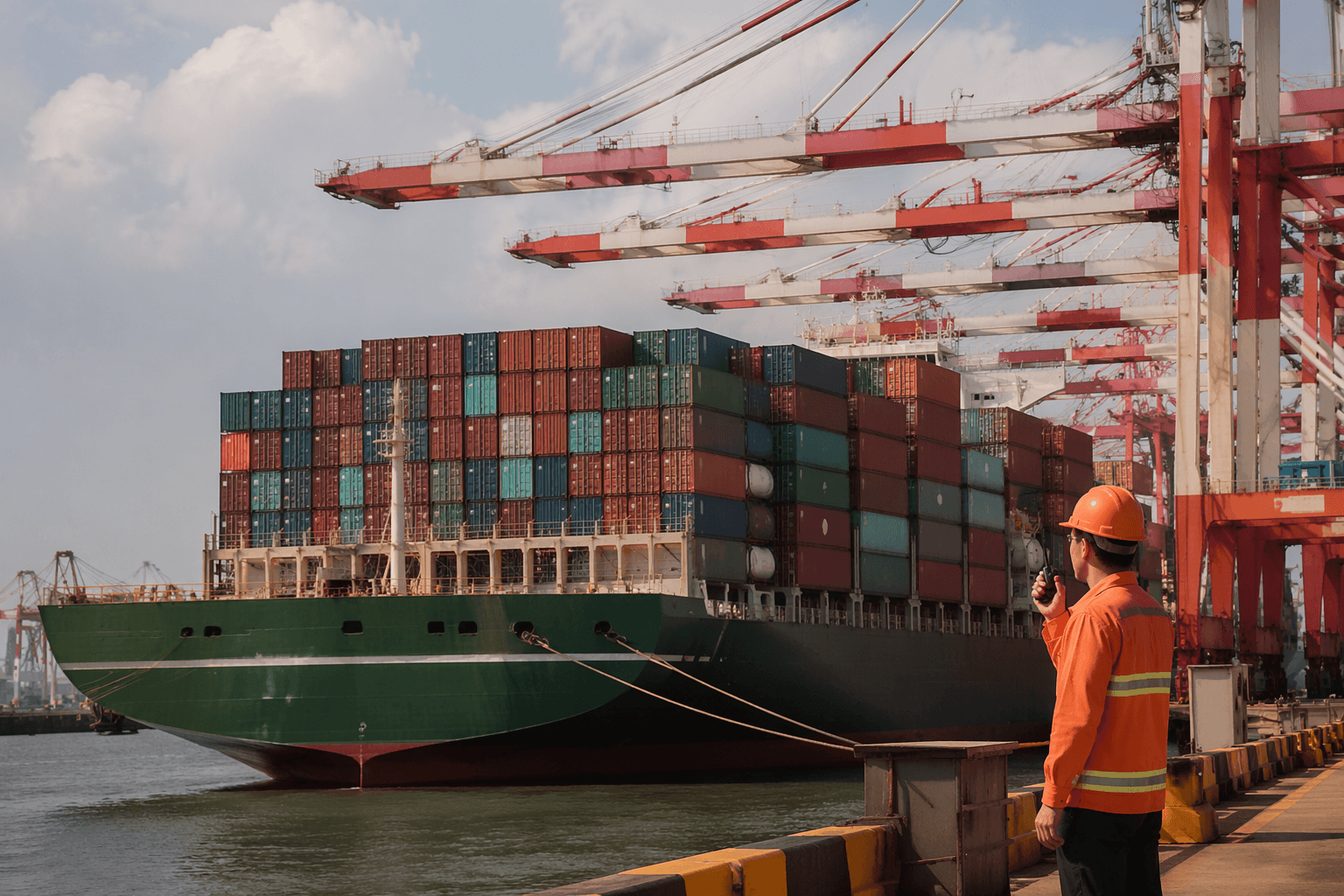
The clearest support came from technology-linked shipping. Demand for semiconductors remained firm, and orders tied to data-center hardware, memory chips and other AI-related inputs continued to move through China’s factories and ports. Exports to the United States rose about 14% in June, while shipments to Southeast Asia surged about 35%, suggesting that tariff front-loading and regional supply-chain shifts both lifted volumes. Imports from the European Union rose more than 9%, another sign that cross-border industrial demand was still feeding trade flows.

That external strength matters because it gives Beijing some breathing room at a sensitive moment. Policymakers are still trying to stabilize growth while the property slump weighs on households, developers and local confidence. China’s official manufacturing purchasing managers’ index rose to 50.3 in June from 50.0 in May, a narrow but important move into expansion territory that suggested factories were getting a lift from AI-linked chip exports even as domestic demand stayed uneven.

The trade figures also set up a crucial test for the wider economy. China was due to release second-quarter GDP on July 15, along with June retail sales and industrial output, giving investors a fuller read on whether the export surge is broadening into a lasting recovery or remaining a narrow technology-led bump. For now, the June numbers show an economy still leaning heavily on external demand, tariff timing and the AI investment cycle to compensate for softer consumption at home.
This article was produced by Prism’s automated news system from verified source data, official records, and press releases, then run through automated quality and moderation checks before publishing. The system is built and supervised by the people who set the standards it runs under. Read our full AI policy.
Did this article answer your question?