China exports surge 14.1% as war fears spur stockpiling
China’s April exports jumped 14.1%, far above forecasts, as overseas buyers rushed to lock in supplies before war-driven costs rose further.
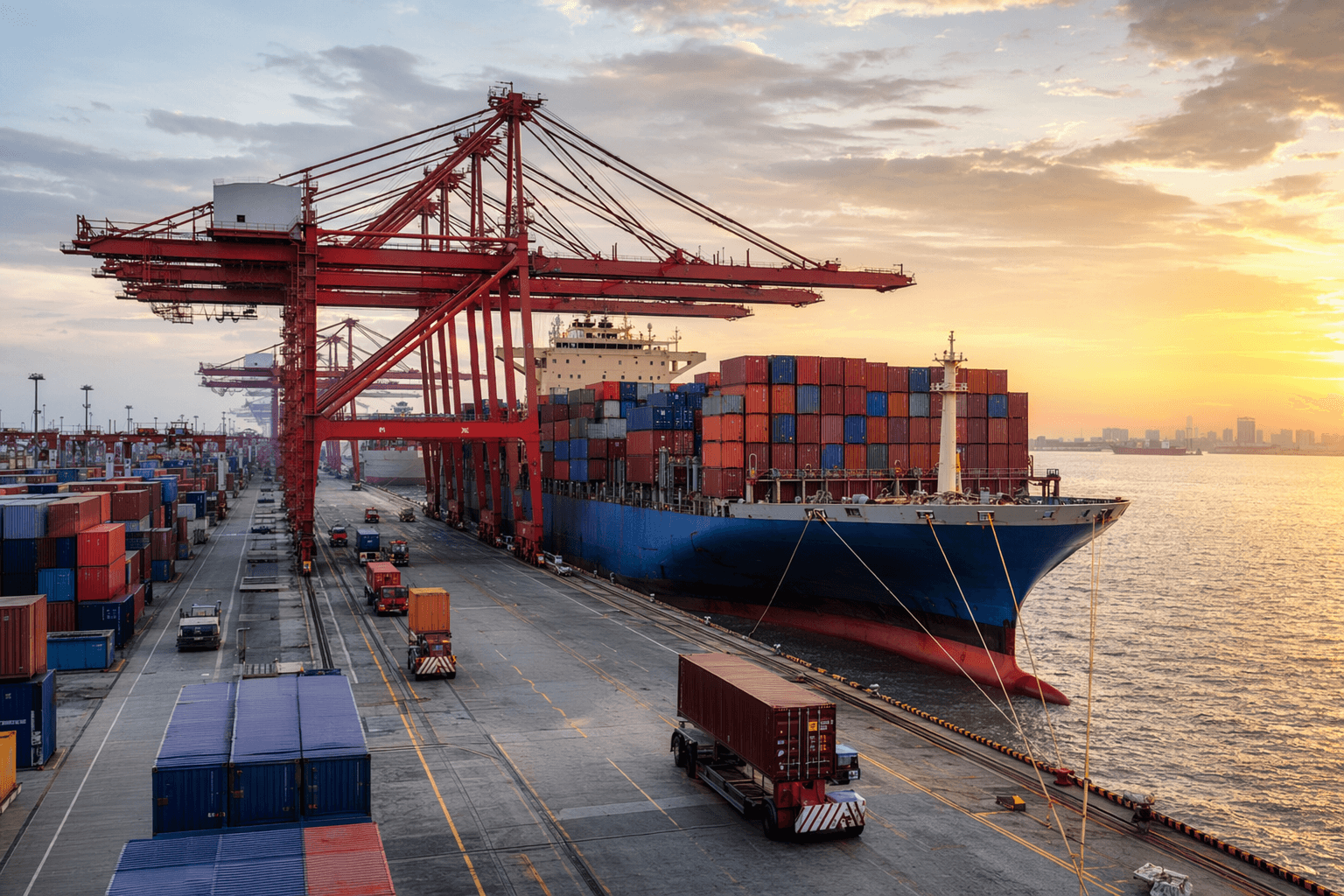
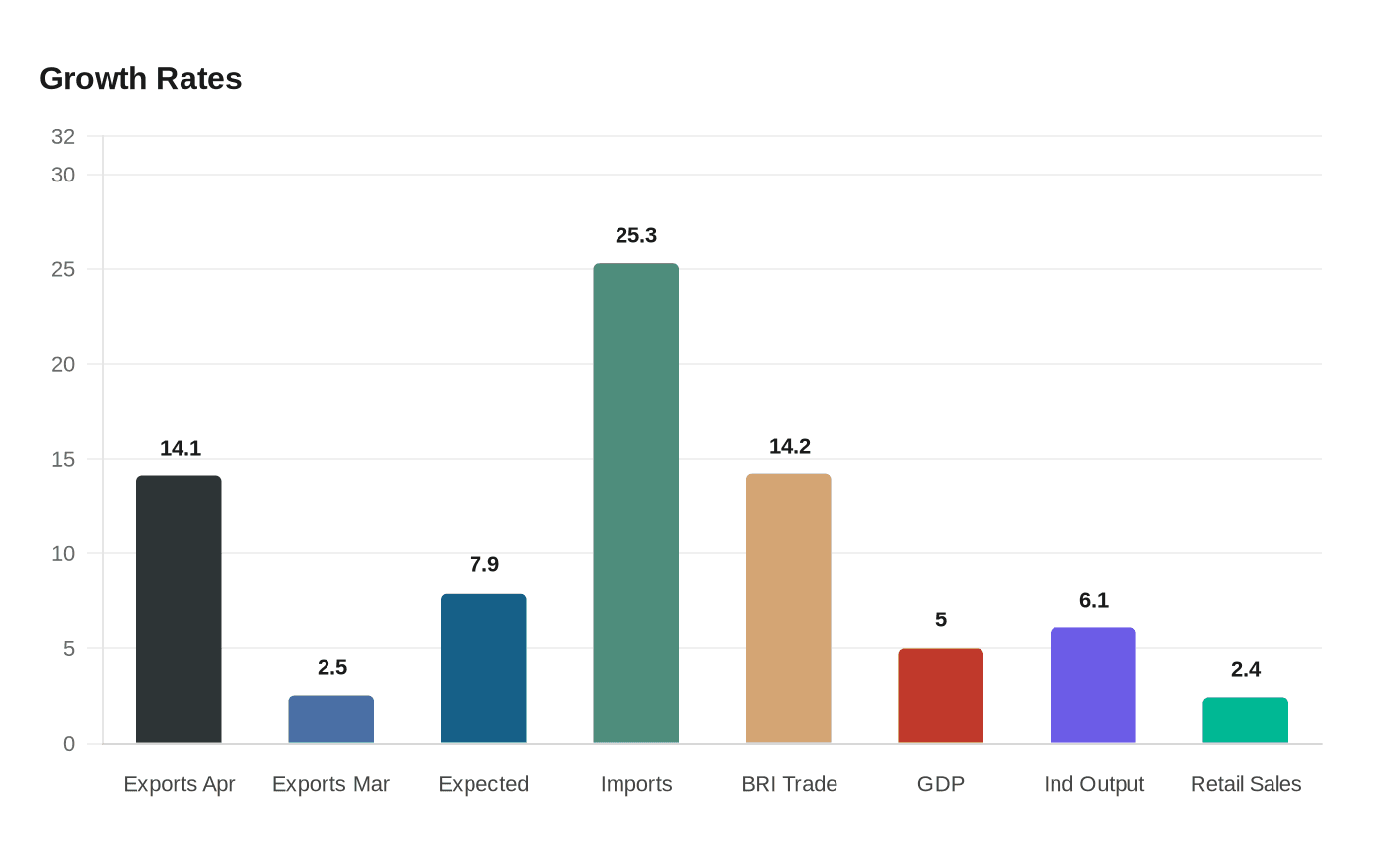
China’s export engine accelerated sharply in April as foreign buyers raced to stockpile components before the Middle East conflict pushed energy and shipping costs higher. Exports rose 14.1% from a year earlier in U.S. dollar terms, a steep rebound from March’s 2.5% gain and well above the 7.9% increase economists had expected. Imports also stayed strong, climbing 25.3% year on year, and the trade surplus widened to $84.8 billion from $51.13 billion in March.
The surge points to more than a one-month blip. Separate factory surveys showed new export orders at their strongest level in two years, with the official manufacturing purchasing managers’ index at 50.3 in April, just above the line separating expansion from contraction. That suggests overseas customers were not only placing fresh orders but also front-loading purchases to protect against higher input costs if the war drags on and energy prices rise further. For U.S. consumers and businesses, that kind of precautionary buying can ripple through to freight rates, delivered prices and inflation over the next few months.
The export rebound came after a strong first quarter for China’s trade. Customs data showed goods imports and exports rose 15% from a year earlier to 11.84 trillion yuan, with exports up 11.9% to 6.85 trillion yuan and imports up 19.6% to 4.99 trillion yuan. Trade with Belt and Road Initiative partners grew 14.2% and accounted for 51.2% of total trade, while exports of electric vehicles, lithium batteries and wind turbines posted sharp gains. China’s first-quarter GDP rose 5% year on year to 33.4193 trillion yuan, industrial output increased 6.1%, and retail sales rose just 2.4%, underscoring how much the economy still depends on manufacturing and external demand.
That dependence leaves Beijing exposed if the war in the Middle East lasts long enough to squeeze global demand. Input prices remained elevated, especially in refined goods and energy-related sectors, while unemployment edged higher and consumer spending continued to lag industrial production. The export data have bought policymakers time, but not immunity. With President Donald Trump expected to visit China for talks with Xi Jinping, the summit may yield gains on farm trade and airplane parts, yet Chinese officials have again insisted that the One China principle is a prerequisite for stable ties. For now, the data show a powerful export rebound. The bigger question is whether it reflects durable demand or a temporary rush to beat the next shock.
Know something we missed? Have a correction or additional information?
Submit a Tip