China keeps benchmark lending rates unchanged for 13th straight month
China kept benchmark lending rates unchanged for a 13th month, underscoring caution as weak demand and property stress offset resilient exports.

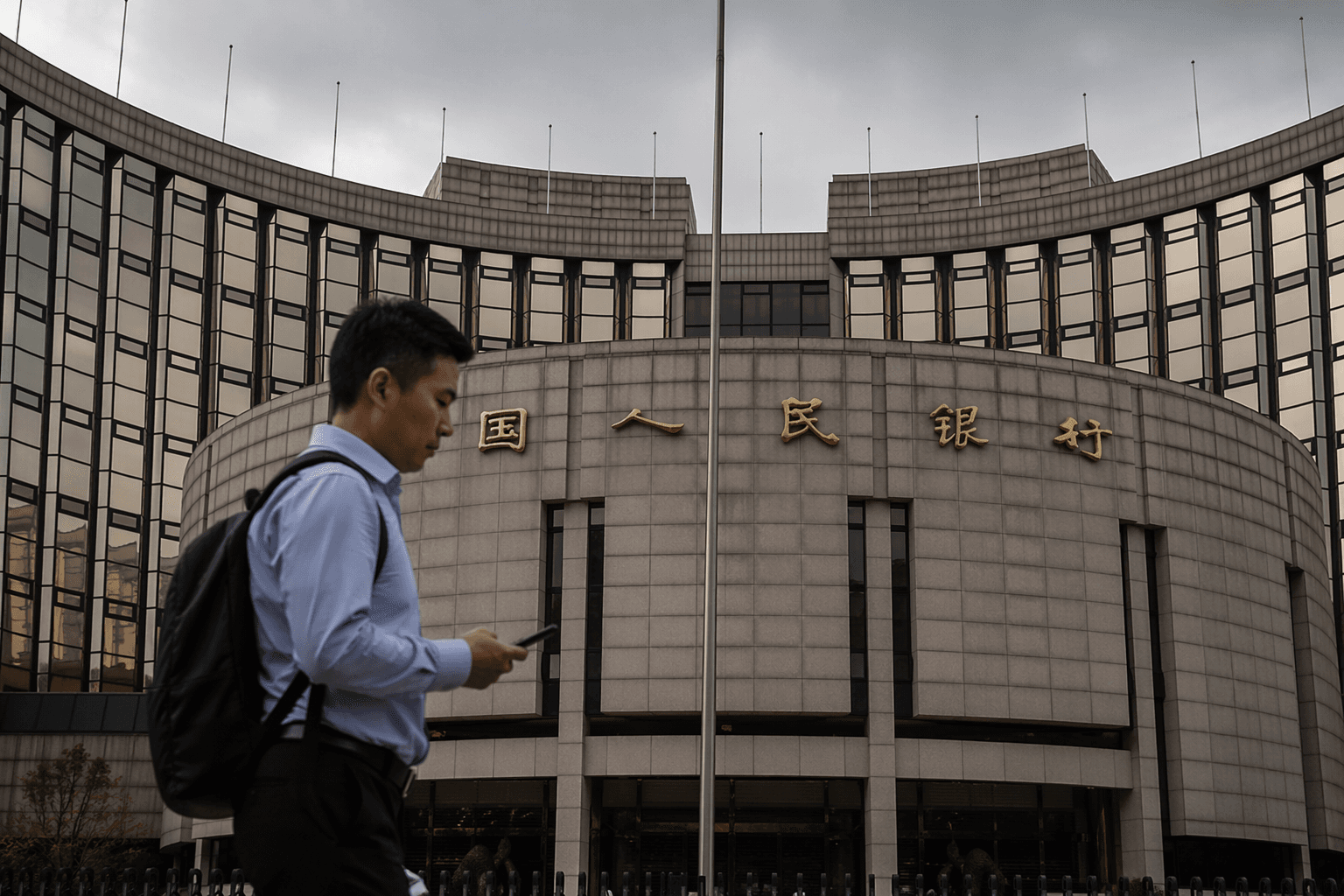
China held its benchmark lending rates steady for a 13th straight month, keeping the one-year loan prime rate at 3.00% and the five-year rate at 3.50%. The decision reinforced a clear message from Beijing: policymakers are not rushing into broad stimulus even as the economy sends mixed signals, with factories and exports still holding up while domestic demand remains fragile.
The move matched market expectations. A survey of 30 market participants found every respondent expected no change, reflecting a belief that the People’s Bank of China would wait for a sharper slowdown before cutting rates again. The pause also showed how cautious officials have become about using monetary policy to do more of the work, especially when credit demand itself remains soft.
Recent data underlined why that caution persists. Retail sales in May fell for the first time in more than three years, while industrial output remained firmer and investment slumped. New yuan loans in May rose to 520 billion yuan after an April contraction, but still missed forecasts, suggesting the problem is not only the price of credit but also the willingness of households and businesses to borrow. Jing Sima of BCA Research said the deeper issue is weak credit demand, while UOB economist Ho Woei Chen said policy responses were likely to stay incremental unless growth fell below the official target range.
Property weakness continued to hang over the broader outlook. The National Bureau of Statistics of China said prices of new homes in 70 large and medium-sized cities fell 0.2% month on month in May, after a 0.19% decline in April. That persistent slide has weighed on household borrowing, confidence and credit creation, making it harder for monetary easing to gain traction across the economy.
Pan Gongsheng, the People’s Bank of China governor, pointed to that shift in activity at the Lujiazui Forum in Shanghai, where he described changes in lending and financing patterns as evidence of “profound economic restructuring.” He also announced six policy measures on June 17, including refining the short-term interest-rate regulation mechanism, launching a renminbi repo facility for foreign and international monetary authorities, and studying a macro-prudential liquidity support tool for non-bank financial institutions.
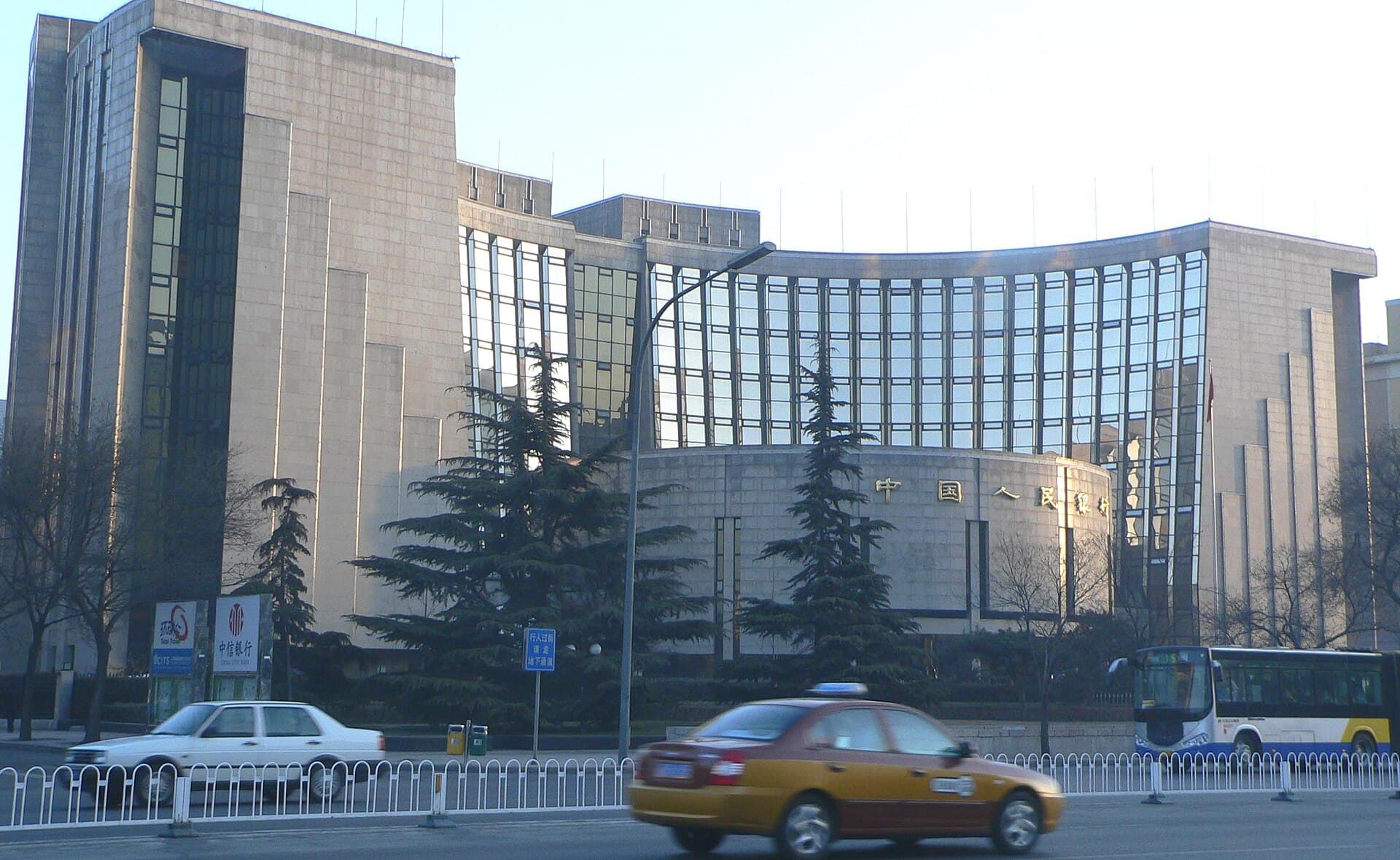
For global markets, the unchanged rates matter because China remains central to commodity demand, manufacturing supply chains and earnings for multinational companies exposed to the mainland. The message from Beijing was not urgency but patience, with officials watching credit trends, housing stress and external demand before deciding whether the second half of 2026 will require a stronger response.
This article was produced by Prism’s automated news system from verified source data, official records, and press releases, then run through automated quality and moderation checks before publishing. The system is built and supervised by the people who set the standards it runs under. Read our full AI policy.
Did this article answer your question?