China launches Shenzhou-23 crewed flight, eyes 2030 moon landing
China sent three astronauts to Tiangong, including Hong Kong’s first spacefarer, in a mission designed to prove it can keep crews in orbit for a year and reach the Moon by 2030.
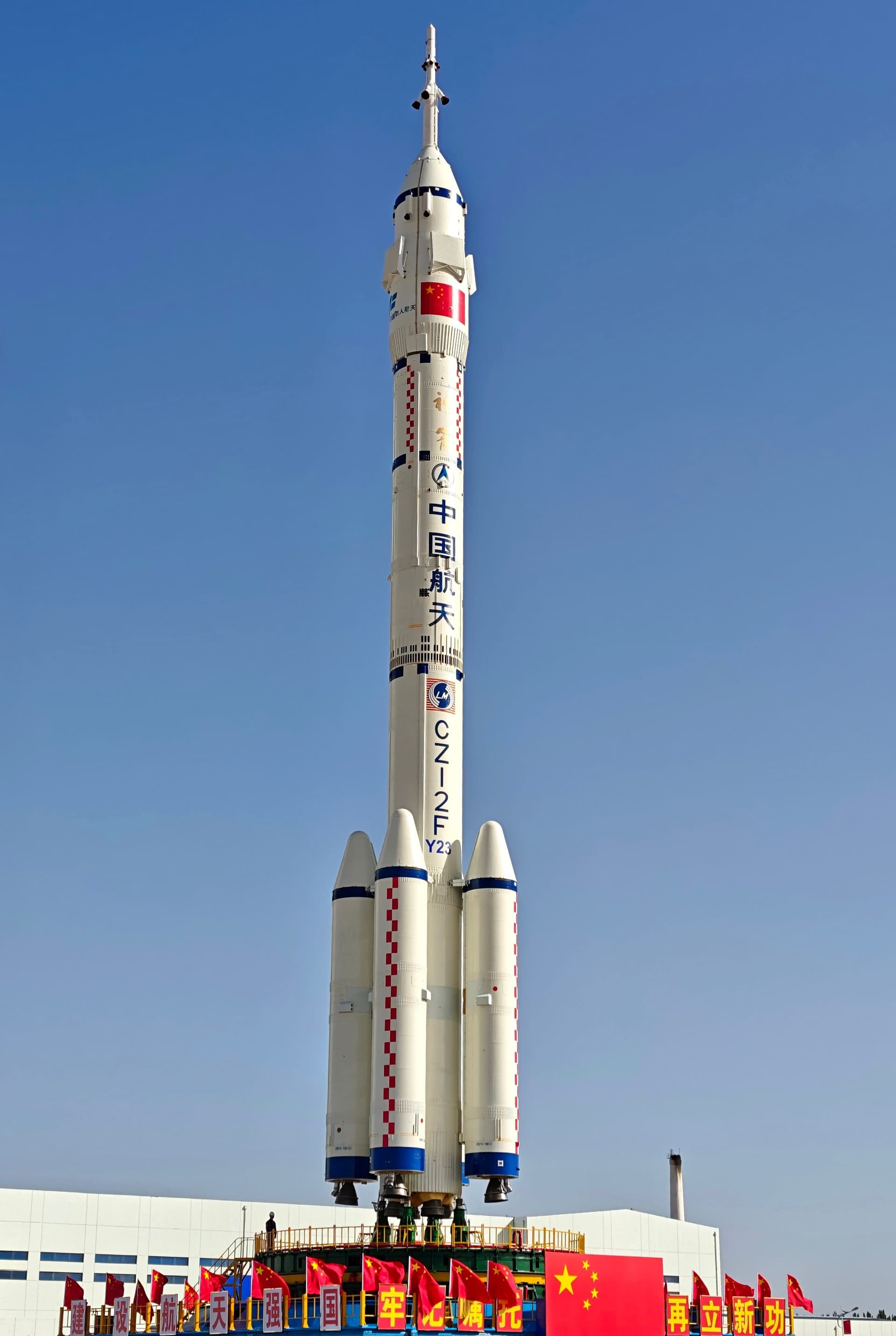
China deepened its bid to challenge the United States in the next era of crewed spaceflight on Sunday, sending Shenzhou-23 toward the Tiangong space station with a mission built around one clear strategic goal: make a 2030 Moon landing look achievable.
The spacecraft lifted off from the Jiuquan Satellite Launch Center in northwest China at 11:08 p.m. Beijing time, riding a Long March-2F Y23 carrier rocket with three astronauts aboard. Zhu Yangzhu served as commander, alongside Zhang Zhiyuan and Li Jiaying, who is also known in Cantonese as Lai Ka-ying. Li became the first astronaut from Hong Kong to join a Chinese space mission.
One of the three is expected to remain in orbit for a full year, a duration that would set a record for a Chinese astronaut mission and give Beijing another long test of how the human body handles extended exposure to microgravity. Chinese officials have cast that endurance work as part of the groundwork for future lunar operations, where crews will need to live and work far longer than the short visits that defined the early space age.
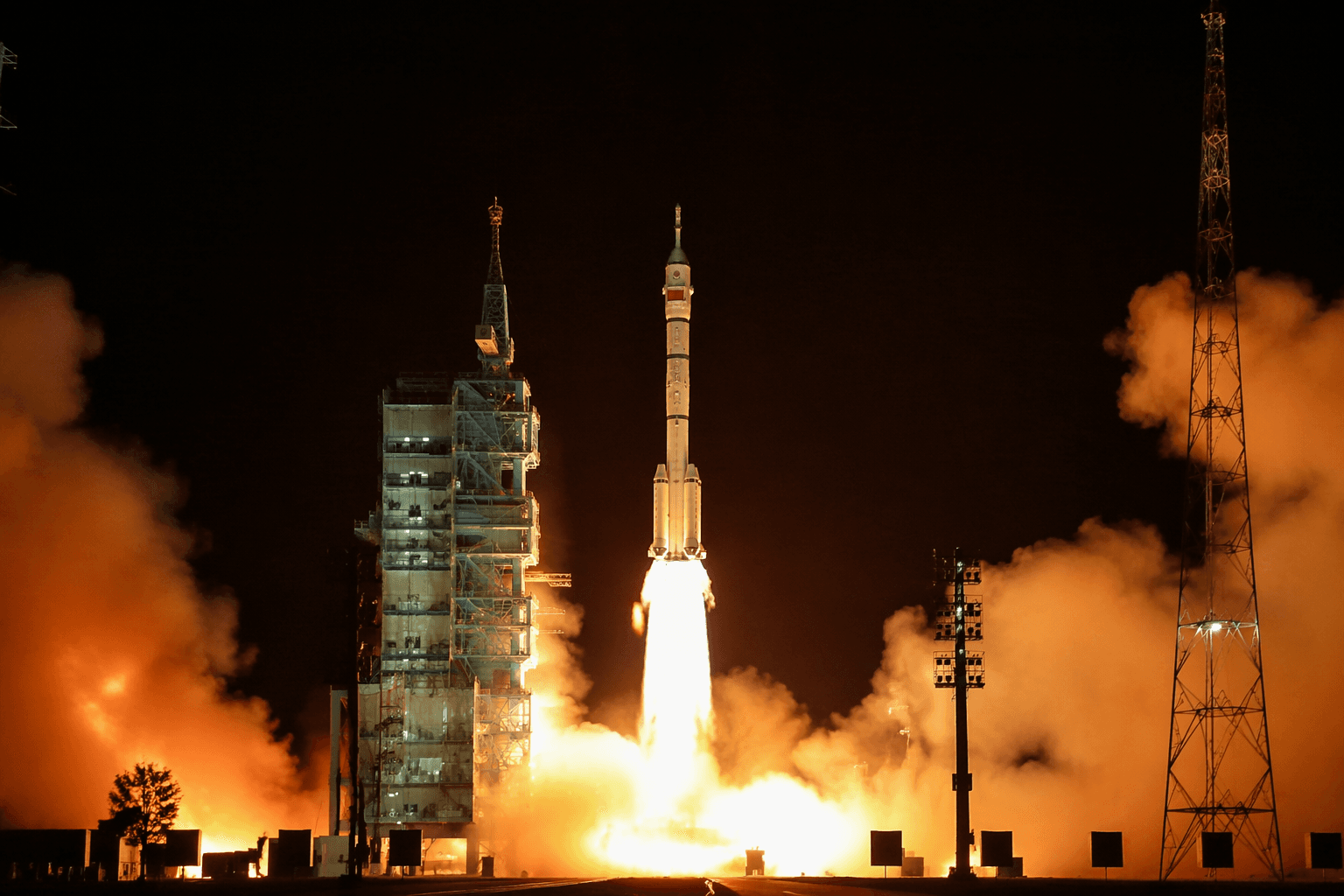
The launch also marked a handover at Tiangong. The outgoing Shenzhou-21 crew had already spent 203 days in orbit and was approaching a Chinese record for the longest single mission, underscoring how quickly Beijing has turned routine station rotations into a testbed for deeper ambitions. Each successive mission has expanded China’s operational experience with docking, crew transfers and long-duration life support, capabilities that matter as much for the Moon as they do for the station itself.
That is what gives Shenzhou-23 its geopolitical weight. China is not treating Tiangong as an isolated outpost; it is using it to build a cadence of increasingly demanding missions while broadening the astronaut corps to include Hong Kong. Against NASA’s Artemis-driven push back toward the lunar surface, Beijing is signaling that it wants to set its own pace, and possibly its own standards, for the next chapter of human spaceflight.
Know something we missed? Have a correction or additional information?
Submit a Tip