China Limits Crude Steel Output, Bars Illegal Capacity Additions
China’s top economic planner has pledged continued controls on crude steel production for 2026 through 2030, reinforcing a policy of supply side reform to tackle chronic overcapacity and industrial emissions. The move matters for global commodity markets and for domestic industries still reeling from a prolonged property downturn, as output cuts and infrastructure spending reshape demand.
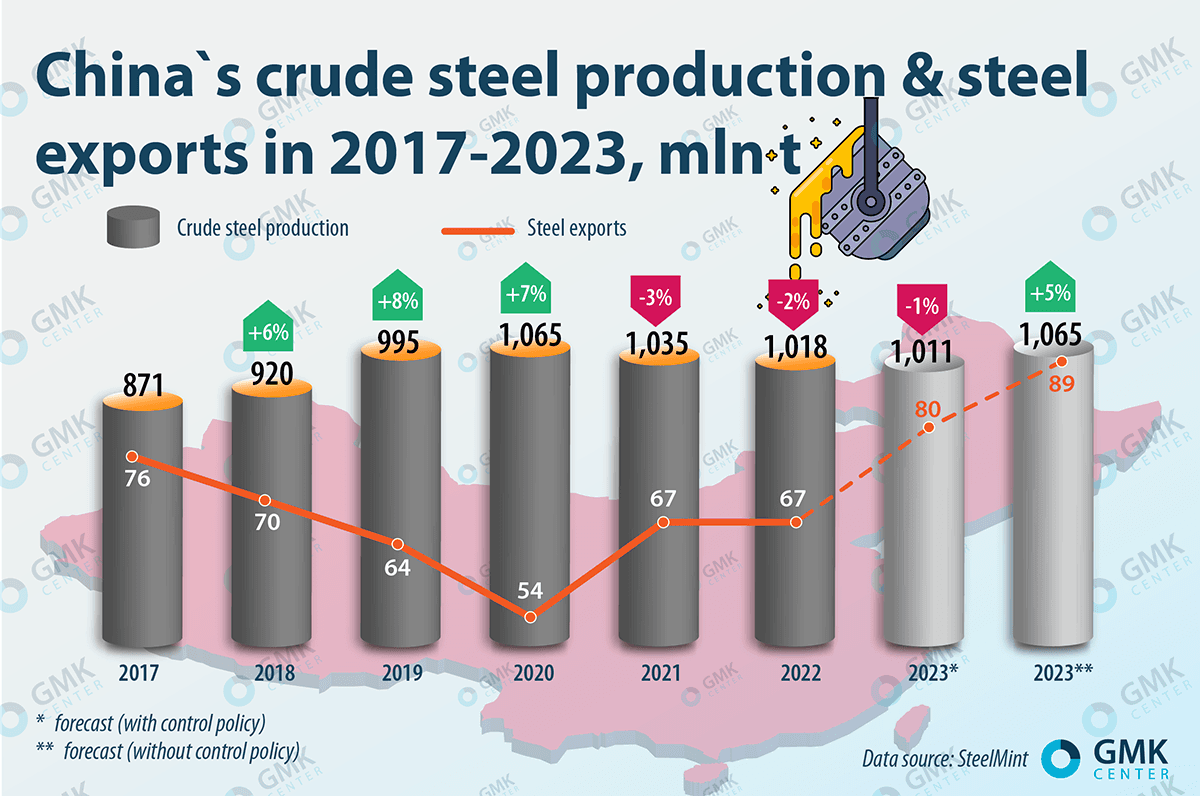
China’s National Development and Reform Commission said on Friday that Beijing will continue to regulate crude steel output and prohibit illegal increases in steelmaking capacity during the 2026 to 2030 period. The statement frames the measure as a continuation of supply side reforms aimed at limiting industrial emissions and addressing long standing excess capacity in the steel sector.
The pledge sets two core commitments for the next five year cycle, continued regulation of crude steel output and a ban on unlawful capacity additions. Authorities presented the step as an extension of policy dating back to 2021, when China moved to halt growth in crude steel output as part of early efforts to cap carbon emissions from heavy industry. Officials have linked the policy to wider development priorities under the 15th Five Year Plan, where targets include sustaining growth, boosting consumption, advancing technological self reliance and meeting scheduled carbon peak objectives.
Economically the announcement comes against a backdrop of weakening domestic steel demand. Crude steel production in the first 11 months of 2025 fell 4 percent year on year, and the output trajectory has the annual total on track to drop below 1 billion tonnes in 2025 for the first time in six years. The decline reflects a prolonged slump in the property market, where lower construction activity has cut activity for long cycle materials and left mills running below optimal capacity.
Market signals have reflected the softer demand environment. On October 24, 2025 the most actively traded January rebar contract on the Shanghai Futures Exchange closed at Yuan 3,046 per tonne and the January hot rolled coil contract closed at Yuan 3,250 per tonne. Those price levels and recent trading patterns point to subdued domestic sentiment and suggest limited room for near term production-driven rallies.
Policymakers are seeking to reconcile weaker demand with an agenda of targeted infrastructure investment. Zhen Shanjie, director of the NDRC, said at an October 24 press conference on the 15th Five Year Plan that China plans to build and renovate more than 700,000 kilometres of underground pipeline networks during 2026 to 2030, requiring new investment exceeding Yuan 5 trillion. That scale of work could support steel consumption in specific segments, even as overall output is constrained to meet emissions and overcapacity objectives.
The combination of production curbs and selective infrastructure demand is intended to rebalance the industry, encourage consolidation, and accelerate the shift toward lower emission technologies in steelmaking. For investors and global commodity markets the policy signals a more managed Chinese presence, where supply expansion will be tightly controlled and any future increases are likely to come from permitted, often higher technology projects rather than uncontrolled capacity growth.
The announcement also arrived amid other regulatory moves, including a separate export licensing plan unveiled on December 12, 2025, underscoring Beijing’s broader push to tighten controls across trade and industrial policy. For the coming five years the steel sector will be a bellwether of how China balances climate commitments, industrial stability and targeted infrastructure spending.
This article was produced by Prism’s automated news system from verified source data, official records, and press releases, then run through automated quality and moderation checks before publishing. The system is built and supervised by the people who set the standards it runs under. Read our full AI policy.
Did this article answer your question?