China poised to set lower 2026 growth target around 4.5%-5.0%
Chinese leaders are expected to set a 2026 GDP target near 4.5%-5.0%, signaling a shift toward managed slowdown with implications for policy, markets, and local governance.
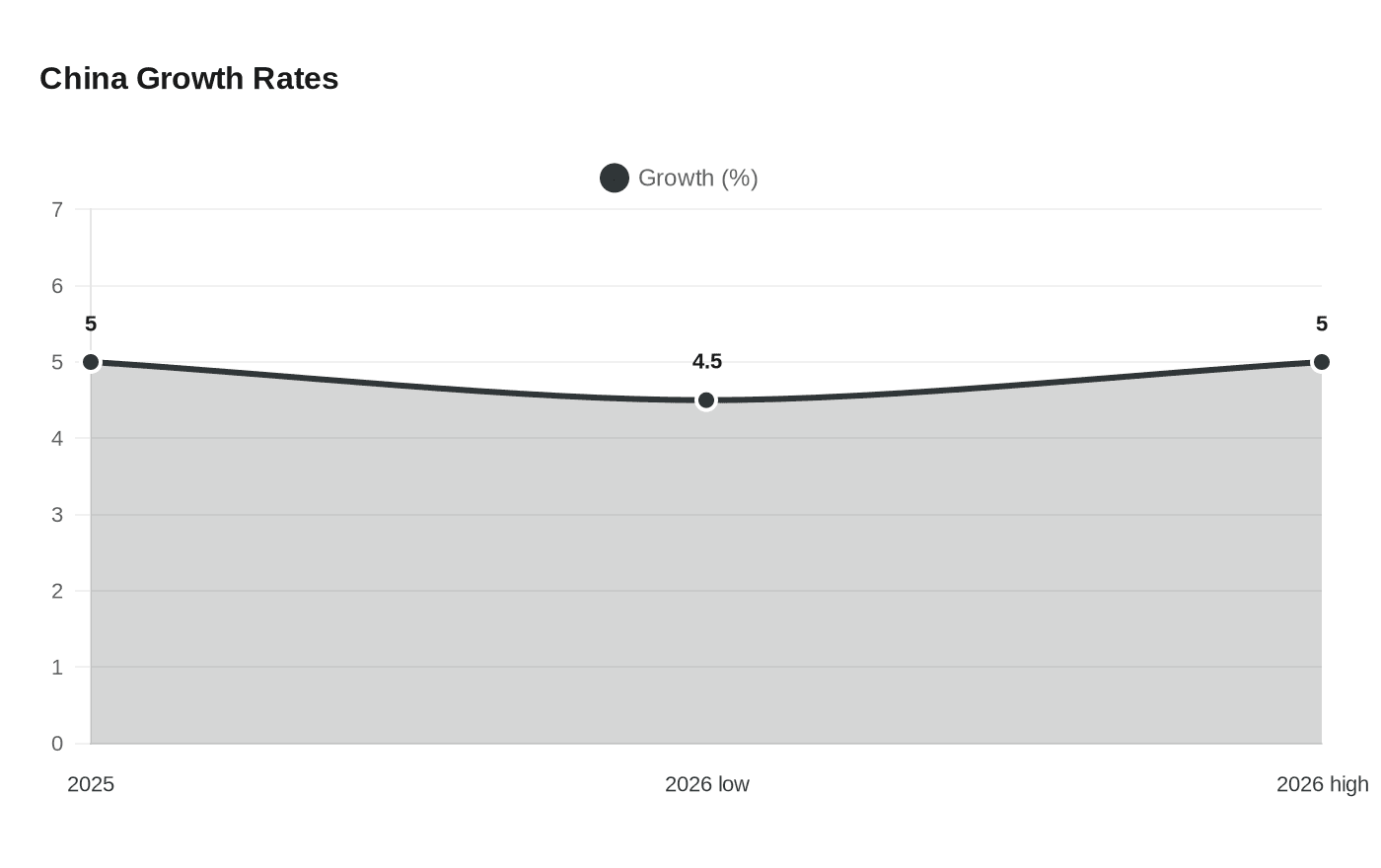
Chinese leaders are preparing to formally adopt an official economic growth target in the 4.5%–5.0% range for 2026, a downward adjustment from roughly 5.0% growth reported for 2025. The likely moderation reflects persistent structural headwinds and a policy choice to prioritize longer-term stability over aggressive short-term stimulus.
A lower target would mark an institutional acknowledgement that China is entering a phase of more measured expansion. The annual National People's Congress will set the formal target, but the expectation of a lower figure has already reframed policy calculations across central and local government agencies, state-owned enterprises, and financial markets. For Beijing, the challenge is to translate a lower headline target into practical governance while avoiding a sharp slowdown in employment and household incomes.
Policy makers face a tight set of trade-offs. Fiscal space has narrowed after years of countercyclical spending and large-scale support for the property sector; local government debt levels and contingent liabilities limit room for broad-based stimulus. Directing scarce resources to targeted measures, such as job support for recent graduates, tax relief for small businesses, and guarantees for distressed developers, is the likely approach rather than an across-the-board fiscal expansion. Monetary authorities are expected to maintain a cautious, calibrated stance, using targeted credit measures and regulatory forbearance rather than broad rate cuts that could heighten financial stability risks.
Institutionally, a lower growth target alters incentive structures within the Party-state. Local officials historically have been evaluated in part on GDP performance; a reduced national benchmark could lessen pressure to pursue aggressive, debt-fuelled local projects purely to meet short-term growth metrics. That could improve fiscal discipline at the subnational level, but it also raises the importance of alternative performance indicators for promotions and assessments, such as employment, social services delivery, and environmental outcomes.
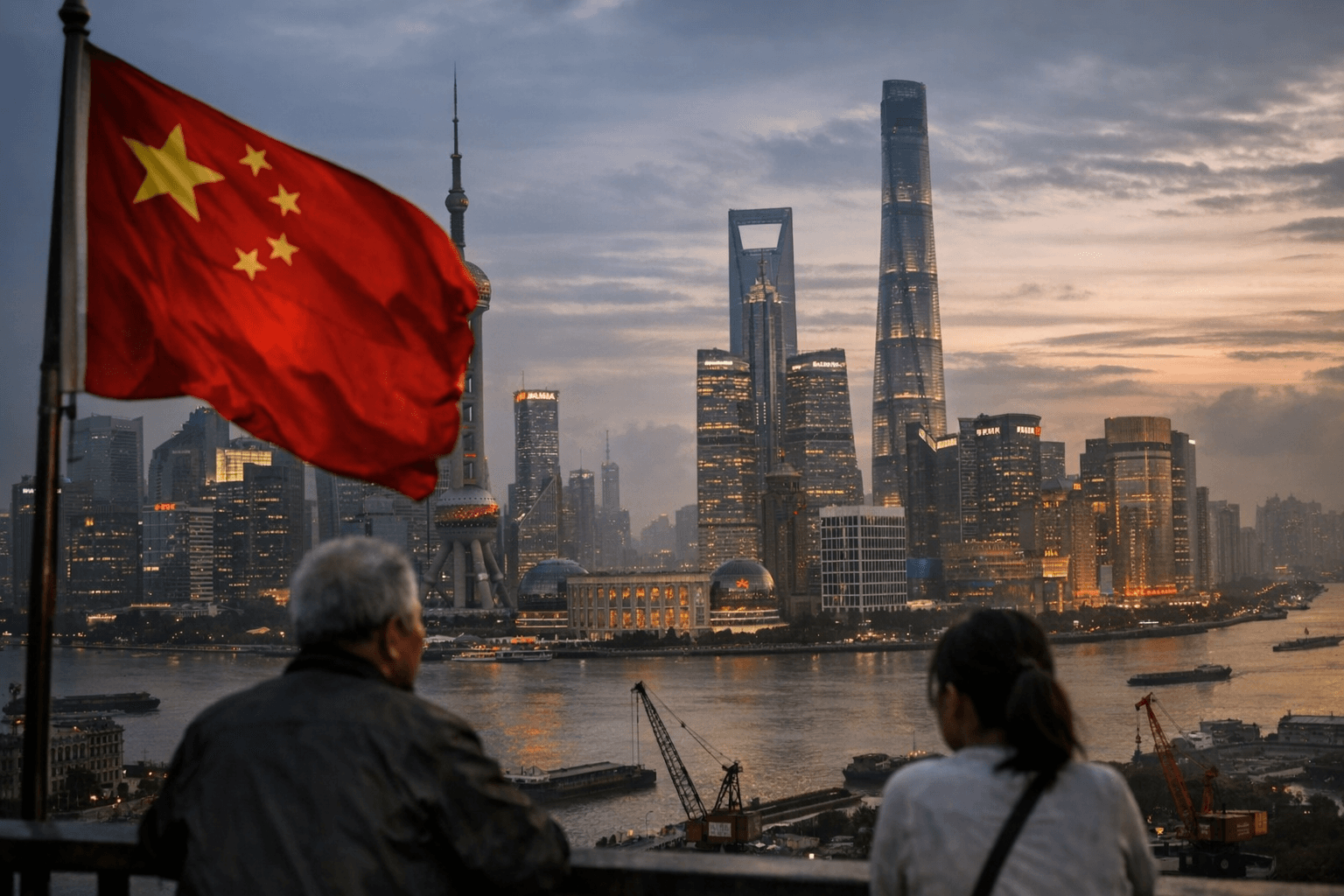
The social and political implications hinge on employment and housing. Slower headline growth tends to tighten labor markets, especially for young job seekers in cities. Managing public expectations will be crucial: authorities will need to show visible interventions that protect jobs and basic living standards to prevent localized unrest or surges in online discontent. Civic engagement in China does not translate into national electoral pressure, but public sentiment channels through social media, workplace grievances, and local petitions will be a barometer of policy legitimacy.
Internationally, a lower target will be taken as a signal of reduced demand for commodities and trade, prompting external forecasters and trading partners to adjust outlooks. Financial markets will monitor Beijing’s policy mix for clues about exchange rate policy, capital flows, and corporate earnings, particularly among exporters and commodity-linked firms.
Overall, setting a 4.5%–5.0% target would institutionalize a more conservative growth trajectory, forcing policymakers to balance the competing demands of debt management, employment, and social stability while steering the economy toward higher-quality, less cyclical expansion. The effectiveness of that transition will depend on the specificity and targeting of measures announced alongside the target at the NPC session.
This article was produced by Prism’s automated news system from verified source data, official records, and press releases, then run through automated quality and moderation checks before publishing. The system is built and supervised by the people who set the standards it runs under. Read our full AI policy.
Did this article answer your question?

