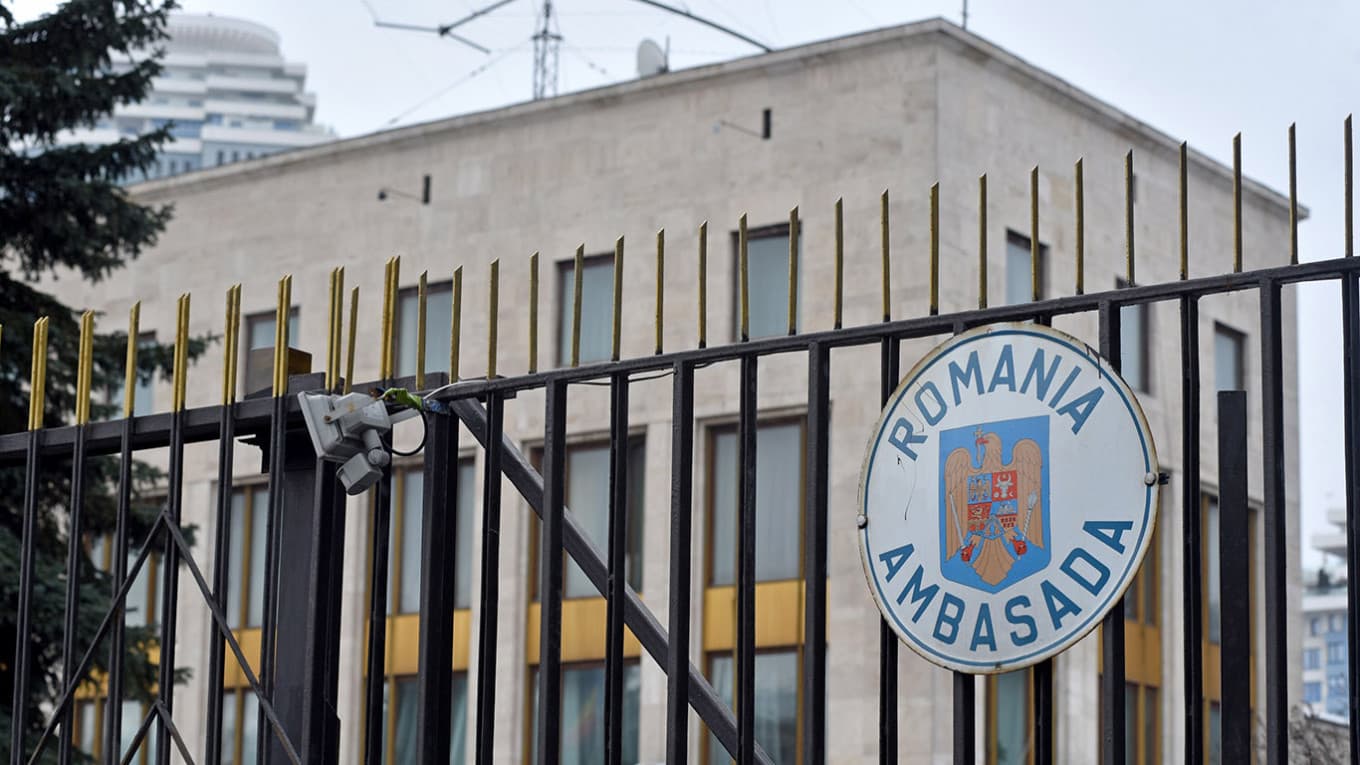
China probes senior defense and space official Bian Zhigang
China’s anti-graft watchdog has opened a probe into Bian Zhigang, a senior defense and space official whose office sits at the center of weapons and space programs.

China’s Central Commission for Discipline Inspection and National Commission of Supervision said Bian Zhigang, deputy head of the State Administration of Science, Technology and Industry for National Defense, was under disciplinary and supervisory investigation. The announcement on June 24 brought a senior official from one of Beijing’s most sensitive civilian agencies into Xi Jinping’s years-long anti-corruption drive.
Bian was appointed deputy head of SASTIND by the State Council on February 23, 2024. The agency says it is responsible for managing China’s defense science, technology and industry across nuclear, aerospace, aviation, shipbuilding, armaments and electronics, giving the post direct reach into the country’s weapons research and production apparatus. Biographical material also identified Bian as a leading Party members’ group member at the agency, adding a political dimension to the portfolio.
Official space-sector listings had also named Bian as vice administrator of the China National Space Administration. CNSA says it is responsible for civilian space activities and international space cooperation, which places Bian at the junction of military industry and China’s civilian space diplomacy. Public profiles tied to him were removed after the investigation became public, and his last public appearance was on May 18, 2026, at a meeting referenced by SASTIND’s social media account.
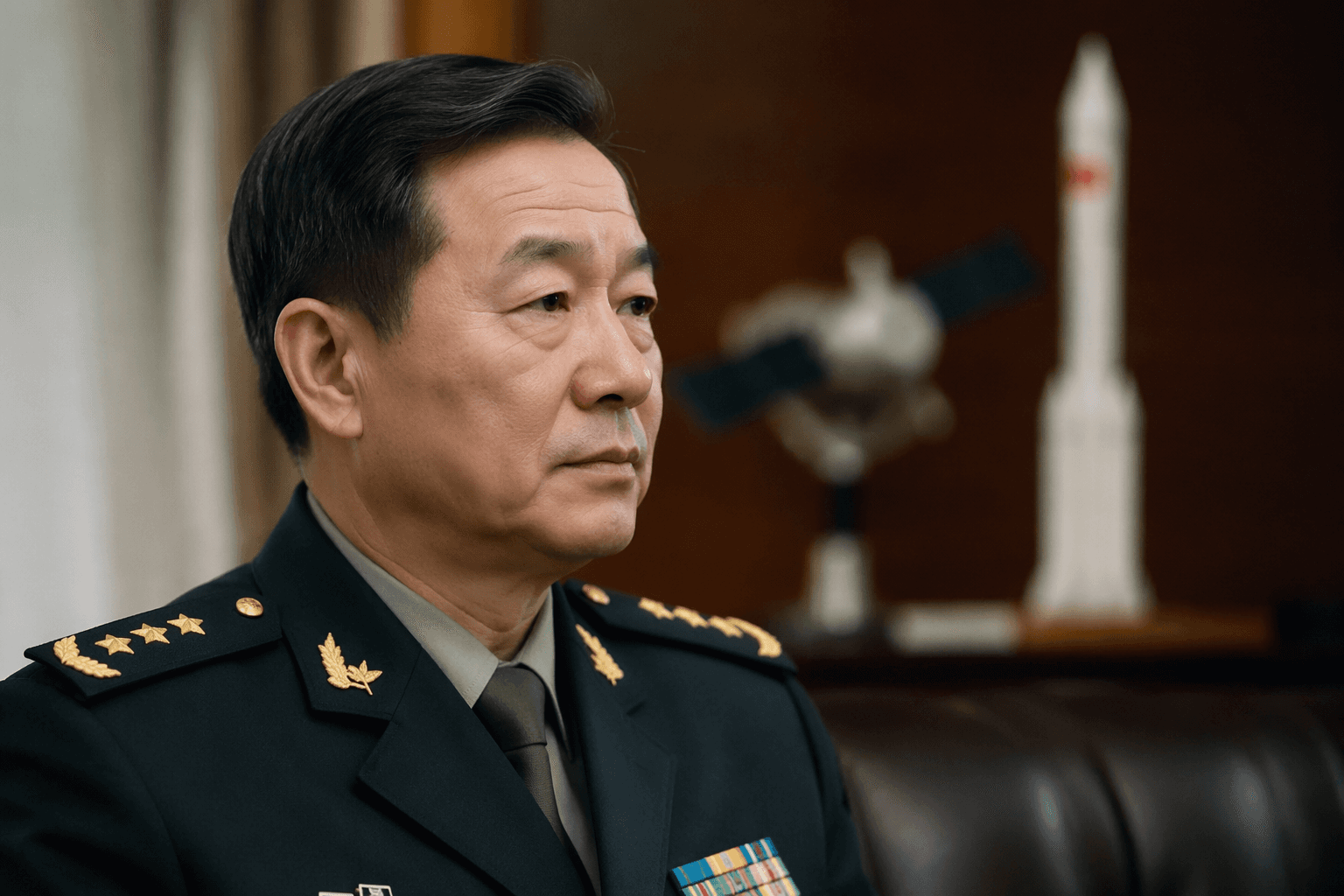
The case lands amid a broader campaign that has already swept up scores of senior officials and top generals. It also follows the sentencing last month of two former defense ministers, Wei Fenghe and Li Shangfu, to death with a two-year reprieve on graft charges. That sequence has kept pressure on the defense establishment and reinforced a message that even the most strategic offices are not insulated from investigation.
For Beijing, a probe at SASTIND matters because the agency helps coordinate major questions in weapons and equipment research and production across core industrial sectors. Any investigation there reaches beyond personnel discipline and into the machinery that supports China’s military modernization, where procurement, program oversight and promotion pathways are tightly bound to political trust.
This article was produced by Prism’s automated news system from verified source data, official records, and press releases, then run through automated quality and moderation checks before publishing. The system is built and supervised by the people who set the standards it runs under. Read our full AI policy.
Know something we missed? Have a correction or additional information?
Submit a Tip