China sanctions Philippine defence chief Teodoro, citing anti-Beijing remarks
China barred Teodoro, his wife and child from mainland China, Hong Kong and Macau as tensions over Scarborough Shoal and the South China Sea sharpened.
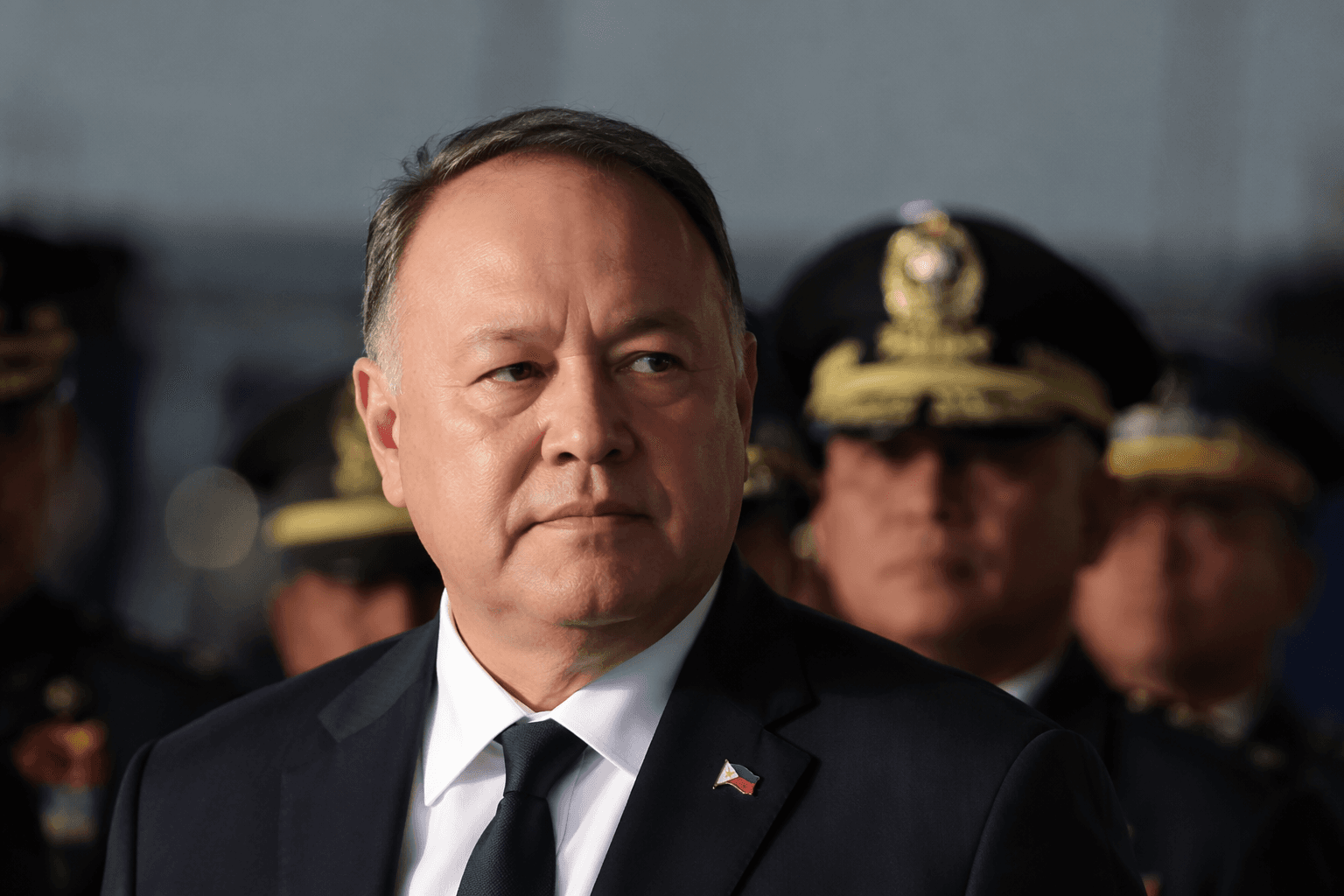
China imposed sanctions on Philippine Defence Secretary Gilberto Teodoro Jr. and his close relatives on Thursday, barring him, his wife and child from entering mainland China, Hong Kong and Macau. Beijing also said Chinese organizations and individuals may not take part in any transaction, cooperation or other activity with Teodoro and his family, turning a diplomatic dispute into a personal penalty with broader political reach.
The Chinese foreign ministry said Teodoro had repeatedly made “irresponsible remarks on China” that undermined China-Philippines relations and Beijing’s legitimate interests. It said the move was intended to safeguard China’s sovereignty, security and development interests, but it did not identify the specific comments that triggered the sanctions.
Teodoro has been one of Manila’s most outspoken defense officials as confrontations with China intensify in the South China Sea. At the Shangri-La Dialogue in Singapore, he said the Philippines had no choice but to stand up to Chinese aggression because it faced severe territorial and political threats. Local reporting also said he had no assets in China and no intention of visiting. He has also accused China of continuing illegal, coercive and aggressive behavior at sea and said Beijing was the biggest obstacle to an ASEAN South China Sea Code of Conduct.
The sanctions landed after a fresh round of maritime tension around Scarborough Shoal, known in the Philippines as Bajo de Masinloc. Manila took diplomatic action over what it called the illegal presence of a floating structure in the disputed atoll, and later protested China’s deployment of a floating structure with personnel there. Satellite images showed a structure at the entrance to the shoal on June 4, though later images suggested it was gone.
The dispute sits inside a much larger contest over maritime law, military signaling and alliance politics. A Permanent Court of Arbitration tribunal ruled overwhelmingly for the Philippines on July 12, 2016, finding major elements of China’s nine-dash-line claim unlawful. The United States later restated on the ruling’s ninth anniversary in 2025 that China’s expansive South China Sea claims have no basis in international law.

Philippine maritime statements have described repeated incidents involving water cannons, dangerous maneuvers, harassment, sideswiping and ramming by Chinese vessels. That pattern has made the sanctions look less like a stand-alone punishment than another ratchet in a pressure campaign meant to warn Manila, test deterrence and shape how far Washington will go if the South China Sea dispute deepens further.
This article was produced by Prism’s automated news system from verified source data, official records, and press releases, then run through automated quality and moderation checks before publishing. The system is built and supervised by the people who set the standards it runs under. Read our full AI policy.
Did this article answer your question?