China tests submarine-launched missile, advancing its sea-based nuclear deterrent
China fired a submarine-launched missile into the southern Pacific, testing the hidden communications and command links a credible sea-based nuclear deterrent needs.

China fired a submarine-launched ballistic missile into the southern Pacific on July 6, sending a dummy warhead from one of its six Type 094 nuclear-powered ballistic missile submarines at 12:01 p.m. local time, 0401 GMT. The test was China’s most significant long-range ballistic missile launch since September 2024.
For submarine deterrence, the missile is only the visible part. The harder task is stealth, communications and command-and-control, because a boat that must rise, transmit too often or spend too long outside secure patrol areas becomes easier to track and less survivable. In China, the Communist Party’s insistence on military loyalty and centralized control makes managing a launch-ready submarine force as political as it is technical.
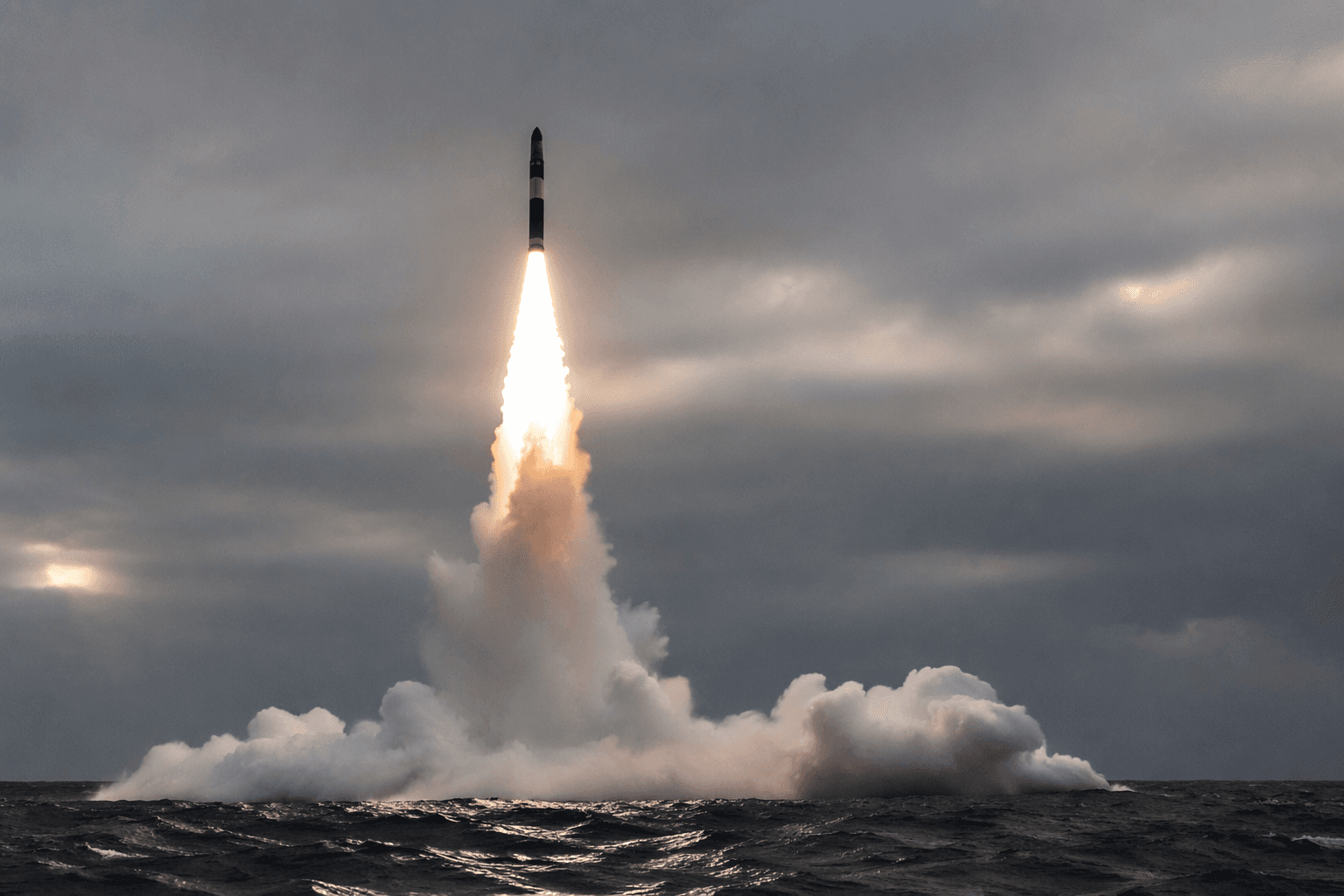
U.S. officials monitored the launch and called it an unarmed intercontinental-range ballistic missile test. Chinese officials framed it as routine annual military training, said it was not aimed at any country or target, and dismissed some outside coverage as “distortion and hype.” The State Department called on Beijing to enter meaningful arms-control talks and adopt a regularized notification arrangement for intercontinental-range ballistic missile and space launches.
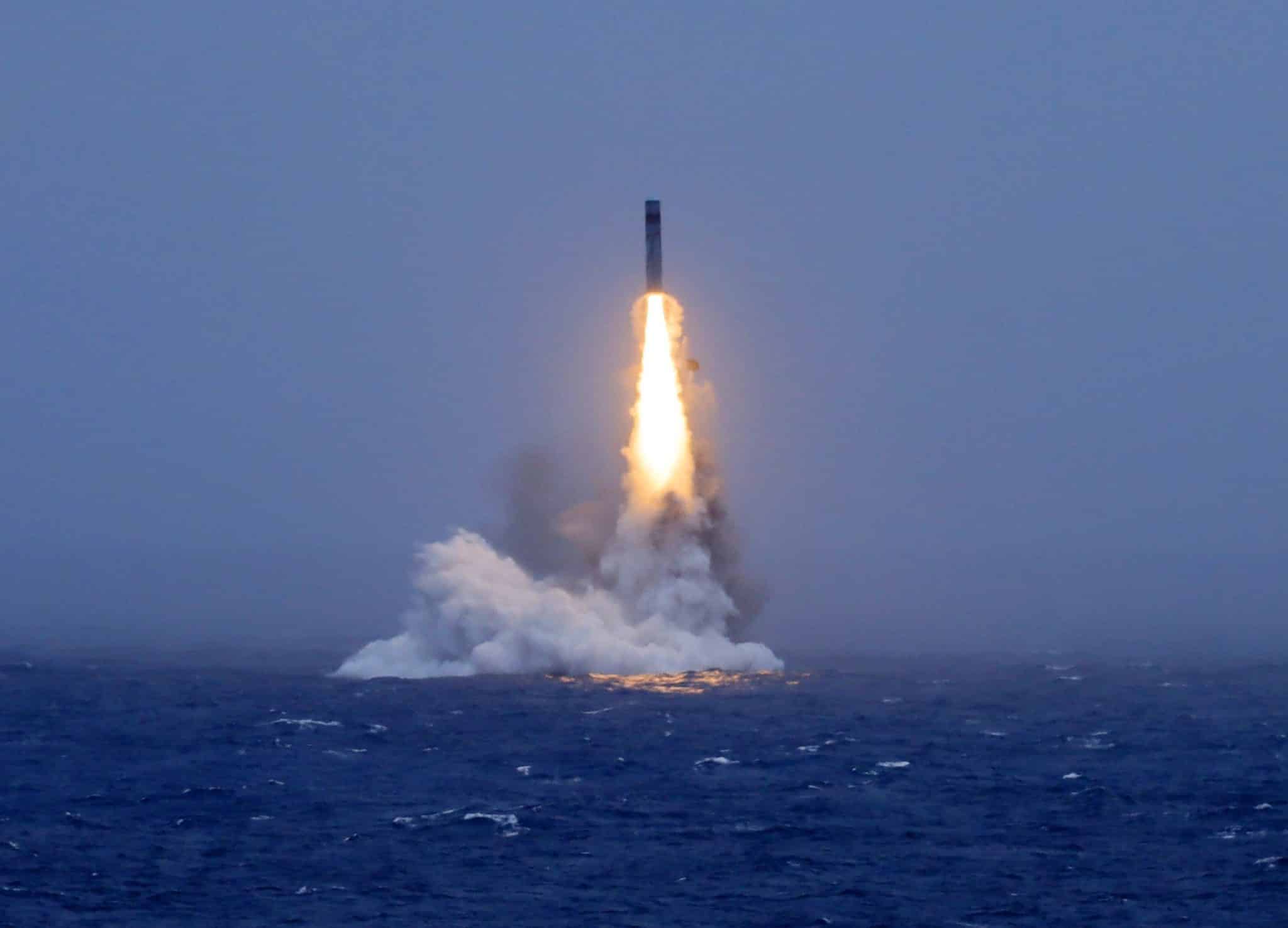
The missile flew into the southern Pacific Ocean near the South Pacific Nuclear Weapons Free Zone, established by the 1986 Treaty of Rarotonga. China signed Protocol 3 in February 1987 and ratified it in October 1988. New Zealand was told only hours beforehand, while Penny Wong called the launch destabilizing and part of a rapid Chinese military buildup that lacks transparency and reassurance. Japan’s defense ministry urged Beijing to rethink missile testing so projectiles would not fly over Japan or create other security risks.
The missile launch came the same day Australia and Fiji signed a mutual-defense pact in Suva. The system is moving closer to an operational strike capability that could extend China’s deterrent reach to Guam and Hawaii even if its submarines cannot easily get close to the continental United States.
This article was produced by Prism’s automated news system from verified source data, official records, and press releases, then run through automated quality and moderation checks before publishing. The system is built and supervised by the people who set the standards it runs under. Read our full AI policy.
Did this article answer your question?