China tightens indium export checks, stoking fears of wider controls
China’s tighter indium checks are slowing approvals from same-day to several days, stoking fears Beijing could widen controls on a metal vital to AI chips and displays.
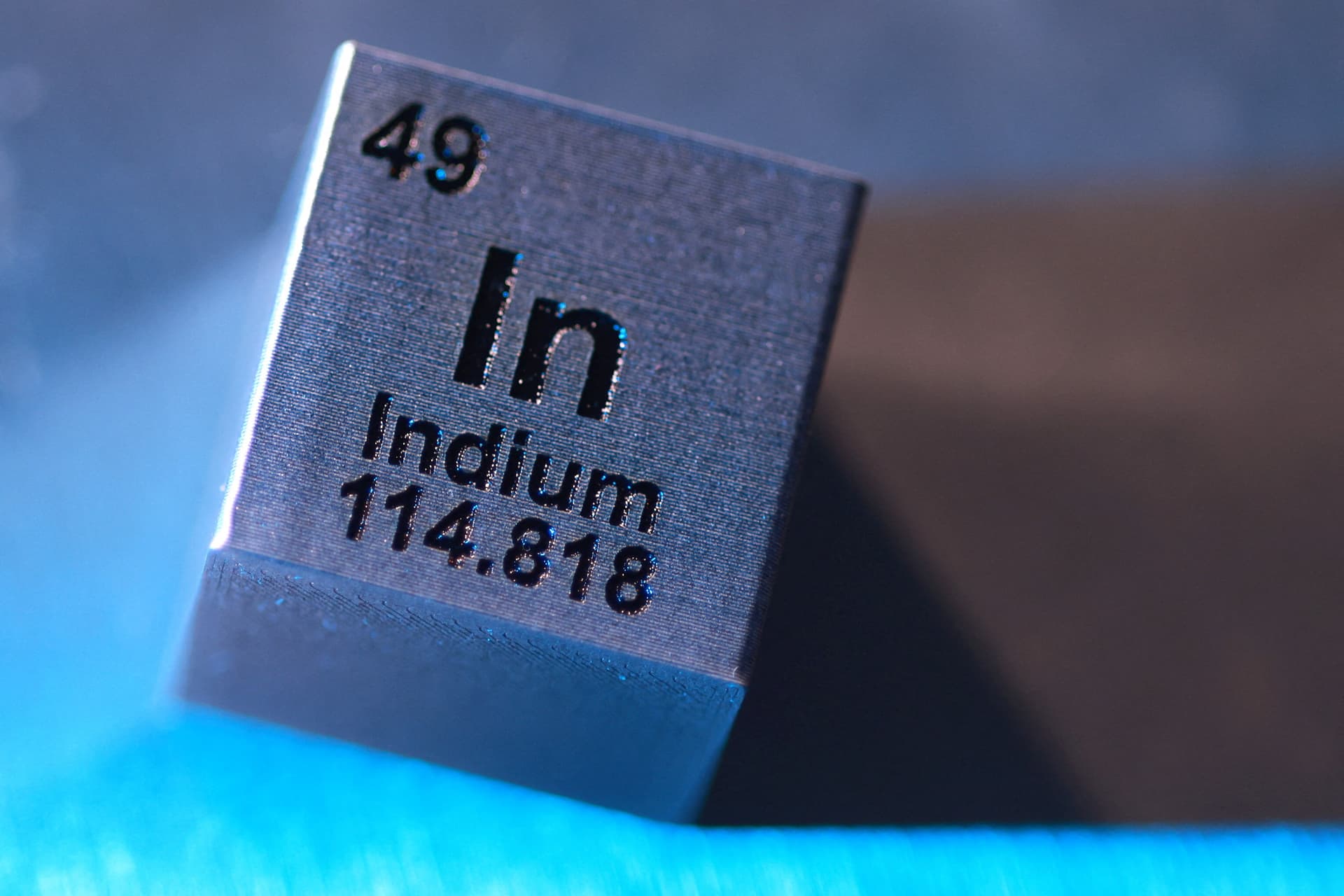
China’s growing scrutiny of indium exports is turning a little-known metal into a live test of Beijing’s leverage over the electronics and AI supply chain. Buyers say customs checks have become more demanding and less predictable, with approvals that once came back the same day now taking several days, a shift that can rattle inventory plans long before any formal ban.
Indium is used in displays and solder, but its strategic importance has risen with indium phosphide, a compound used in high-speed optical chips and next-generation data centers. That makes the metal a pressure point for the infrastructure behind artificial intelligence, where firms need steady access to specialty materials as much as they need advanced processors and power.
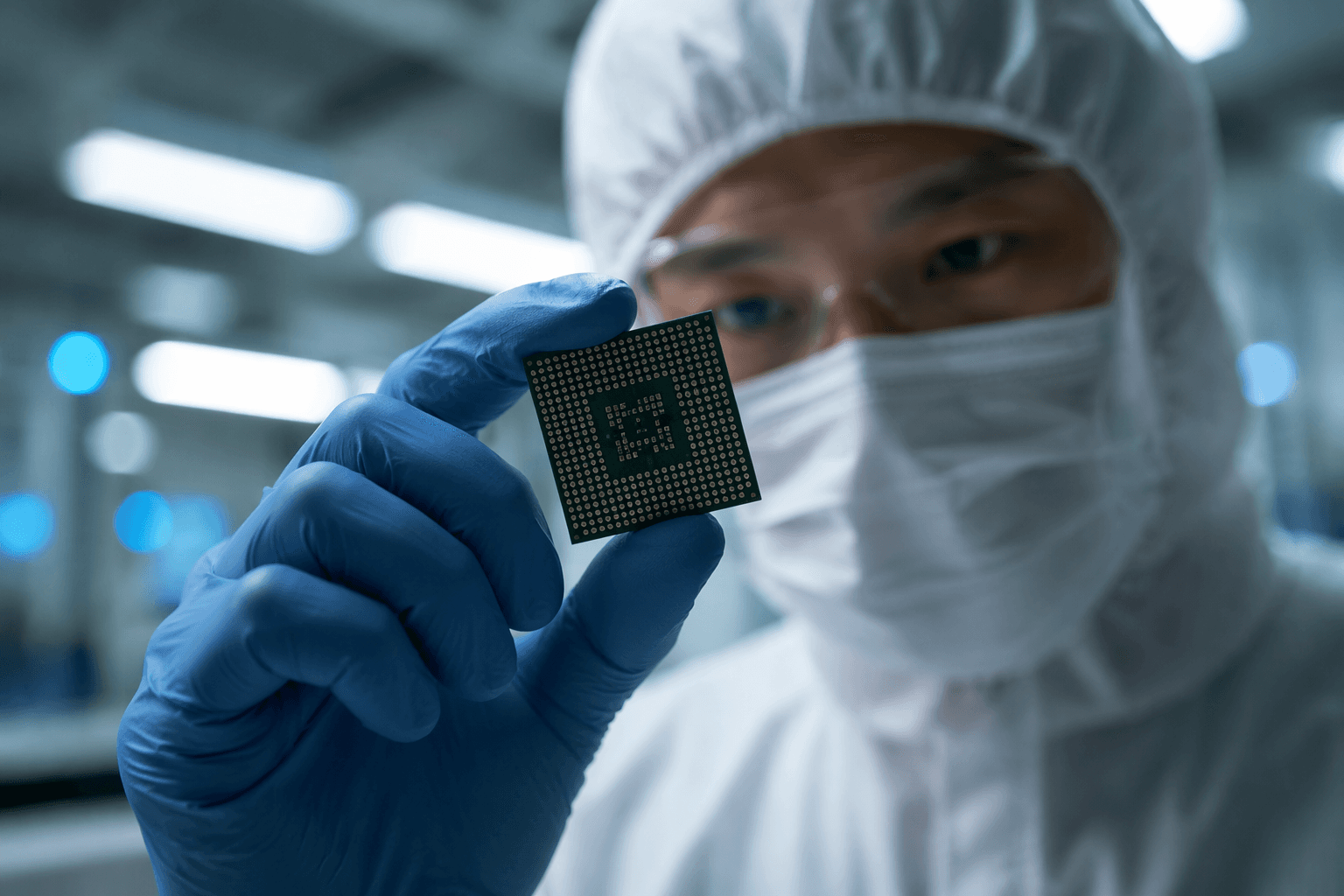
The tighter checks matter because China sits near the center of the market. U.S. Geological Survey data show China produced about 70% of global indium output in 2024 and exported 347 metric tons in the first nine months of that year. The same data show the United States did not recover indium from ores in 2024, leaving American buyers dependent on imports. The estimated annual average U.S. warehouse price reached $340 per kilogram in 2024, up 42% from 2023, underscoring how fast a niche commodity can become expensive when supply tightens.
The latest scrutiny follows an established pattern. On Feb. 4, 2025, China’s Ministry of Commerce and General Administration of Customs announced export controls on indium-related items, including indium phosphide and indium triethyl and trimethyl compounds, alongside controls on tungsten, tellurium, bismuth and molybdenum-related items. The move signaled that Beijing was willing to use technical trade restrictions as a bargaining tool in broader disputes, and buyers now worry that the current checks could be a step toward deeper limits.
That uncertainty is already filtering through the market. A European buyer was asked for extra detail about end users, including where they were based, while a North American buyer described the new approvals process as tense. Industry groups have warned that indium phosphide is essential to high-speed optical interconnects used in AI systems, and the issue has reached the highest levels of business diplomacy: Coherent chief executive Jim Anderson raised the delays during a U.S. business delegation trip to China, and the topic also came up in Seoul during trade talks before the May 14-15, 2026 Trump-Xi summit.
For electronics makers and AI infrastructure builders, the lesson is clear. Export scrutiny itself can work as a weapon, creating friction, uncertainty and higher costs even without a formal ban. In the contest between the United States and China, obscure materials like indium are becoming part of the main battlefield.
This article was produced by Prism’s automated news system from verified source data, official records, and press releases, then run through automated quality and moderation checks before publishing. The system is built and supervised by the people who set the standards it runs under. Read our full AI policy.
Did this article answer your question?