China tightens rules on ghost kitchens after food safety crackdown
Ghost kitchens that hide behind app listings are now in regulators' crosshairs. China now requires platforms to verify merchants every six months and match names to storefronts.
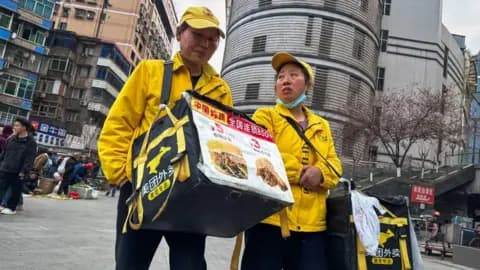
China moved to close a widening trust gap in app-based food delivery, ordering online takeaway restaurants to use the same names as their physical storefronts and to disclose more operational details as regulators intensify scrutiny of so-called ghost kitchens. The new rules, issued by the State Administration for Market Regulation on March 12, took effect on June 1 and require delivery platforms to verify merchants’ registered business addresses and qualifications at least once every six months, then cross-check that information against official databases.
The tighter rules follow a sweeping enforcement action in April, when SAMR fined seven major e-commerce and food-delivery platforms a combined 3.597 billion yuan, or about $524 million to $527 million. The penalties were tied to ghost shop and ghost takeaway cases as well as food-safety violations. The platforms named by SAMR were Pinduoduo, Meituan, JD.com, Ele.me, now rebranded as Taobao Flash Sale, Douyin, Taobao and Tmall.
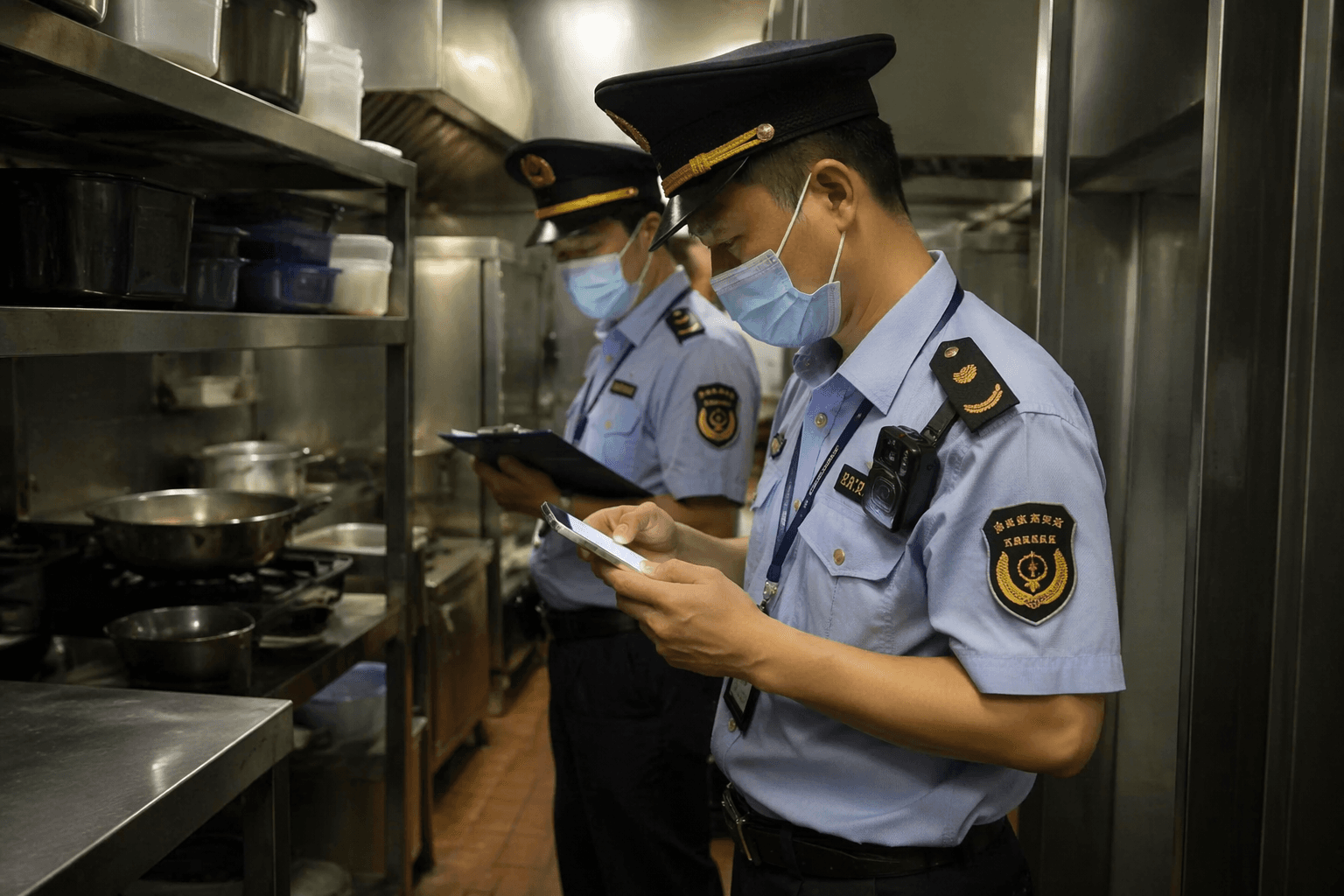
At the center of the crackdown is a marketplace problem that has grown faster than the inspection system built to police it. Some delivery merchants have operated from residential buildings or other unverified locations, used fake or rented licenses, and presented consumers with the impression that a real storefront exists when it does not. By forcing platforms to verify identities, addresses and business qualifications on a fixed schedule, Beijing is pushing accountability upstream, toward the digital intermediaries that profit from the transactions and away from the consumer who sees only a menu and a delivery timer.
SAMR said the platforms removed unverified ghost-kitchen vendors and stopped cooperating with third-party order-routing platforms involved in the violations. The enforcement also fit into a broader food-safety push. In March 2025, Chinese authorities issued a guideline aimed at strengthening supervision across the full food chain, from farm to table, and SAMR had already singled out ghost takeaway operations in its 2025 Guard the Consumer campaign.
The latest rules suggest regulators are no longer treating online takeout as a separate, lighter-touch corner of the food system. Instead, they are forcing the delivery economy to meet the same disclosure and verification standards that apply to brick-and-mortar food sellers, a shift that could reshape how millions of consumers judge safety, authenticity and responsibility every time they place an order.
This article was produced by Prism’s automated news system from verified source data, official records, and press releases, then run through automated quality and moderation checks before publishing. The system is built and supervised by the people who set the standards it runs under. Read our full AI policy.
Did this article answer your question?