China tops supercomputer ranking as U.S.-China tech rivalry deepens
China’s LineShine took No. 1 on TOP500, but the benchmark tracks scientific computing, not the AI hardware race now defining U.S.-China rivalry.
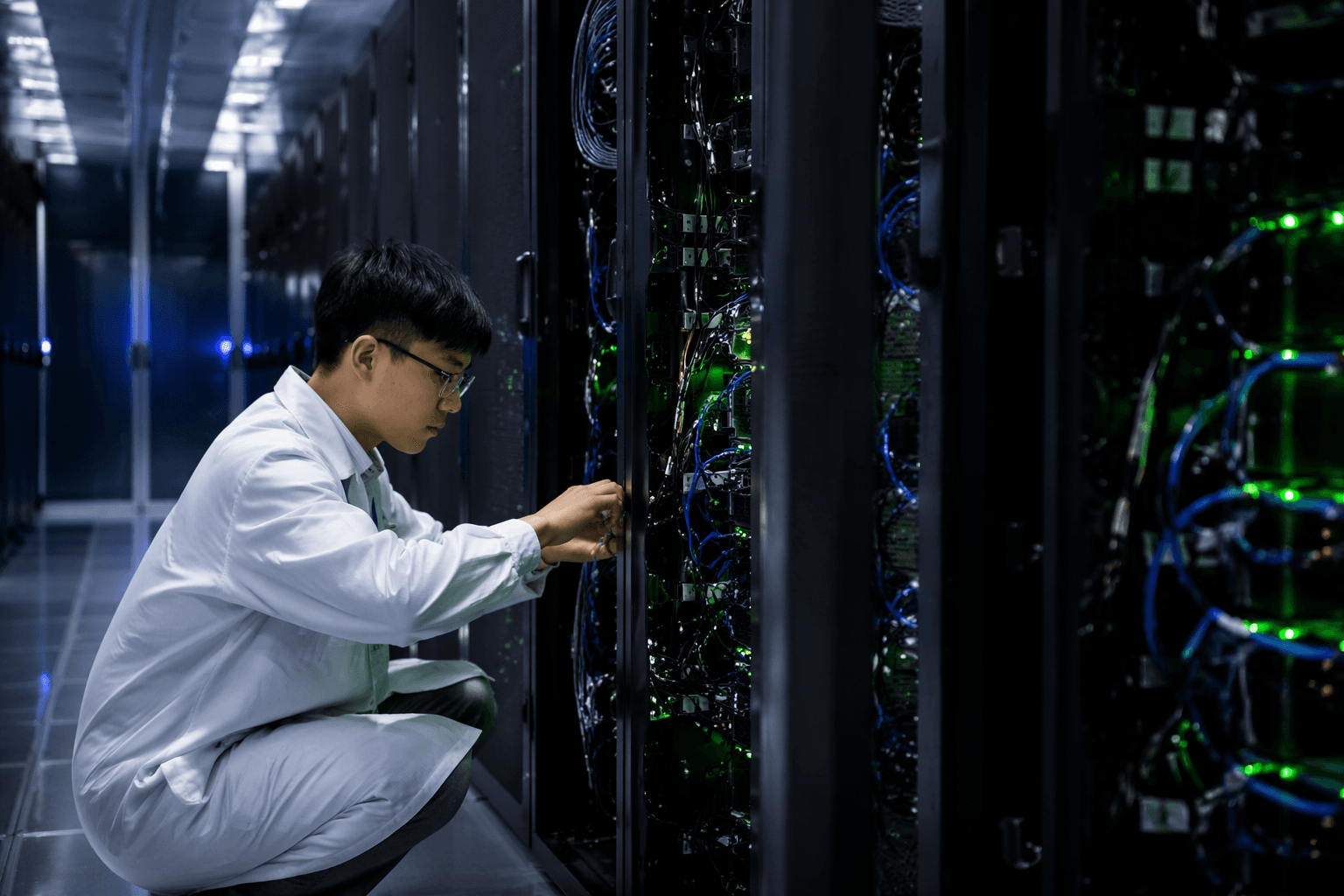
China has taken the top spot on the latest TOP500 list of the world’s fastest supercomputers with LineShine, a system installed at the National Supercomputing Centre in Shenzhen and built with domestically designed chips. The ranking gives Beijing a symbolic win at a moment when Washington and Beijing are locked in a deeper contest over advanced computing, chips and industrial resilience.
The result matters because TOP500 has long served as a global yardstick for national computing power and scientific ambition. China’s latest No. 1 showing was its first at the top of the list in three years, a reminder that the race between the two powers is being measured in more than just consumer devices or headline-grabbing AI products.
But the benchmark does not map cleanly onto the frontier AI fight. The TOP500 list is built around high-performance scientific computing, not the specialized demands of modern model training and inference. That distinction leaves room for a machine to rank first on raw supercomputing speed while still not being the most relevant platform for the systems now driving generative AI, large-scale training runs and inference workloads.
That gap explains why the headline is less a scoreboard for artificial intelligence than a signal about industrial self-sufficiency. China’s use of domestically designed chips in LineShine points to a broader strategy: proving that advanced systems can still be assembled and operated without relying on imported components that are vulnerable to U.S. export controls and other technology restrictions.
The new ranking also sits alongside the continuing American lead in many of the most visible AI systems and chip supply chains. U.S. flagship machines such as El Capitan remain central to the national research and defense ecosystem, underscoring that supercomputer rankings and AI leadership are not the same contest. One measures peak performance in a scientific computing framework; the other is increasingly shaped by access to advanced accelerators, software stacks, data centers and the industrial base behind them.
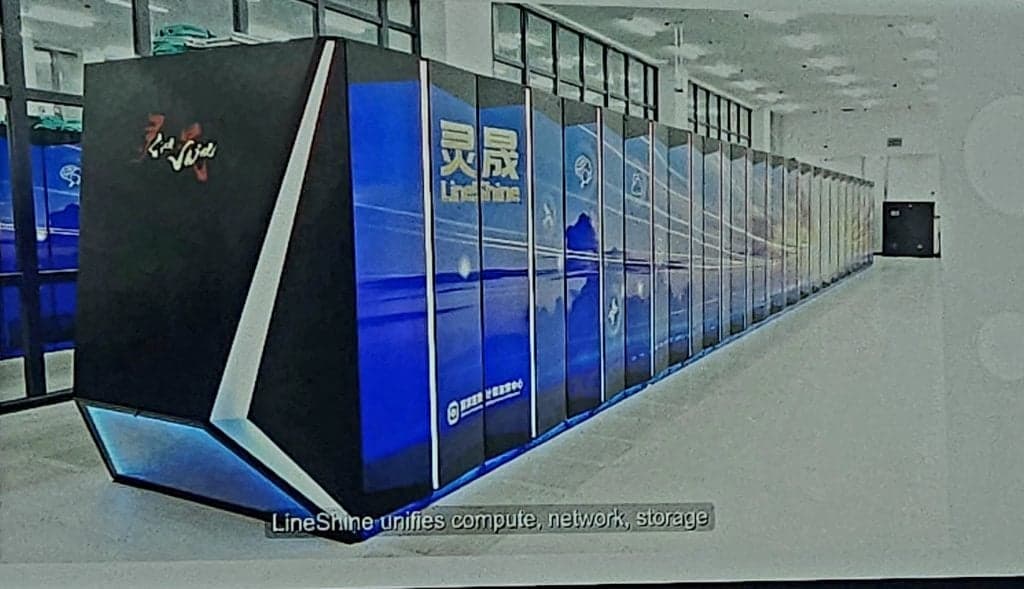
LineShine’s ascent therefore reads as both a technical and political statement. It shows China can still produce top-tier systems inside a constrained supply environment, while the United States continues to concentrate on the hardware and ecosystem that matter most for frontier AI. The rivalry is no longer decided by speed alone, but by which side can build, source and scale the computing infrastructure that matters now.
This article was produced by Prism’s automated news system from verified source data, official records, and press releases, then run through automated quality and moderation checks before publishing. The system is built and supervised by the people who set the standards it runs under. Read our full AI policy.
Did this article answer your question?