China trip makes LA mom rethink raising her daughter alone
A two-month stay in Qingdao showed Grace Cong Sui how much Chinese parenting leans on family networks. Back in Los Angeles, she faced a far lonelier system.
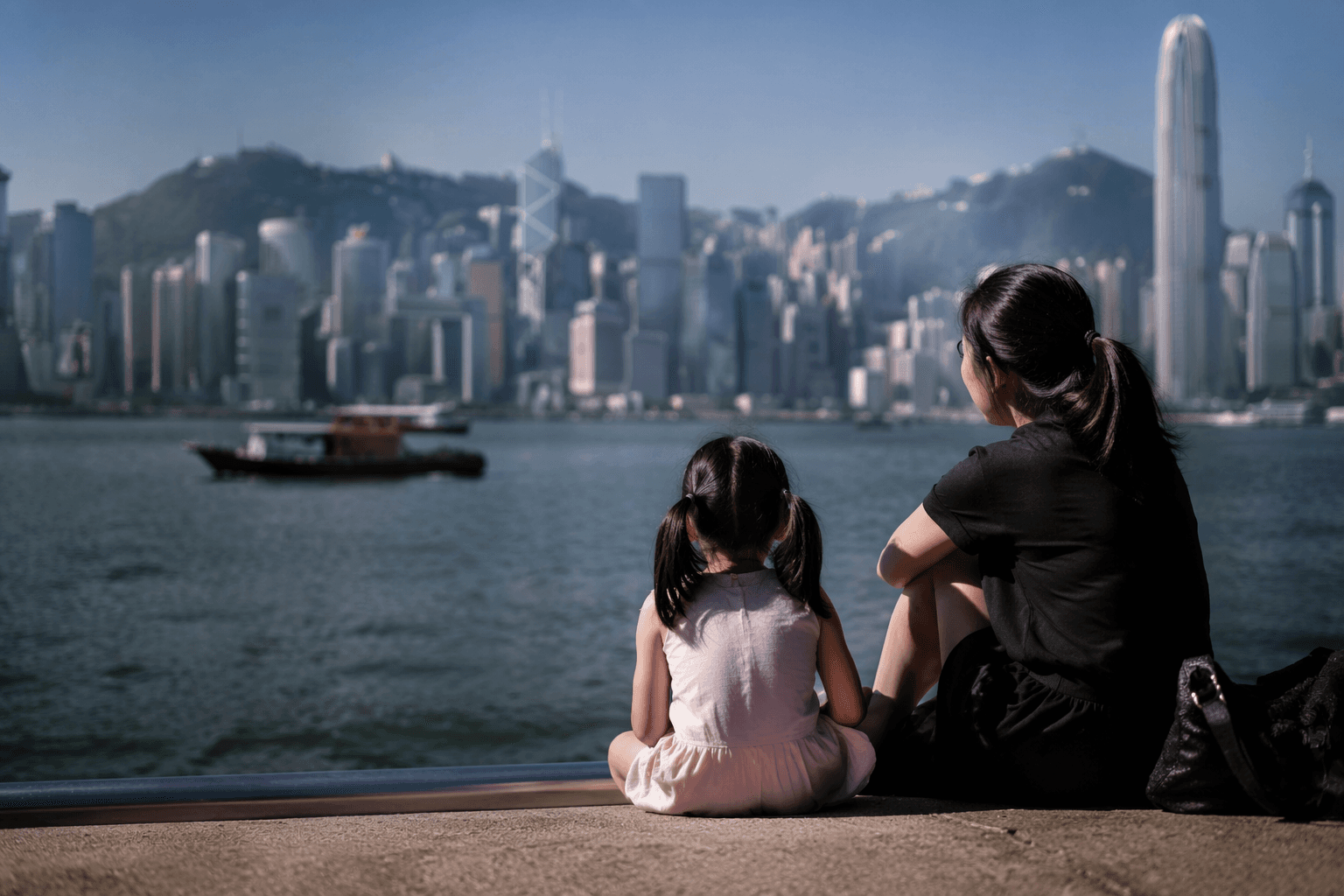
Grace Cong Sui went to Qingdao expecting a family visit and came back with a sharper view of what it means to raise a child alone in Los Angeles. The first-generation Chinese American mother enrolled her 3-year-old daughter in a local preschool for two months and saw a style of caregiving built around constant contact, close monitoring, and extended family support. That contrast forced a reckoning with the parenting habits she had built in the United States and the ones she grew up with in Shandong Province.
A preschool in Qingdao became a mirror
The clearest difference arrived in the small details. While her daughter was in preschool in Qingdao, Sui received daily updates about what the child ate, when she napped, and how she was feeling. That level of communication stood out because she had rarely gotten comparable detail from schools in Los Angeles, where the burden of tracking a child’s day often falls more heavily on parents themselves.
That school experience mattered because it highlighted more than a difference in messaging. It showed how institutions can reinforce different expectations of childhood: in Qingdao, the school treated parents as close partners in daily care, while in Los Angeles, Sui was left to piece together much of the picture on her own. For a mother raising a young child without nearby relatives, that gap is not abstract. It shapes how often a parent can work, how much trust she places in institutions, and how much emotional labor she must carry alone.
What family life looked like in Shandong Province
Sui’s memories of growing up in Shandong Province in the 1990s made the contrast even sharper. She described a childhood in which grandparents and other relatives were closely involved in childcare, with grandparents taking turns living with the family and someone often waiting at the school gate. School breaks were not an individual juggling act; they were times when children could stay with relatives while parents focused on work.
That arrangement reflects a broader Chinese expectation that child-rearing is distributed across a family network rather than confined to one parent. In Sui’s telling, relatives were not occasional helpers but part of the daily structure of upbringing. The result was a model of parenting that made room for work, rest, and shared responsibility in a way she has not been able to recreate in Los Angeles.
Her trip home made that distance visible. In the United States, Sui has no extended family nearby, and she has had to rely on parenting books, expert advice, and trial and error. That kind of improvisation can produce confident, thoughtful caregiving, but it also leaves one adult making nearly every decision alone. For immigrant parents, the emotional strain often comes not from a lack of devotion, but from the absence of the informal safety net that once made devotion workable.
Why the numbers on grandparent care matter
Sui’s experience sits inside a larger American caregiving reality. The U.S. Census Bureau says 6,750,866 grandparents live with their own grandchildren under 18. Of those grandparents, 31.4% are responsible for the children’s care. A separate Census story places the figure at roughly 32.7% for grandparents living with grandchildren under 18. The numbers point to the same underlying fact: family-based child care remains a major part of life in the United States, even if it is often invisible in policy debates.
Those figures also complicate the idea that American parenting is always strictly nuclear. Millions of children are being raised in homes where grandparents are present and often central. But Sui’s story shows the other side of the equation too: for parents without nearby kin, the American model can feel isolating, especially when formal support is thin and the nearest substitute is a patchwork of paid care, school services, and self-education.
The gap becomes especially important when comparing cross-border expectations. In China, Sui encountered a system in which grandparents, schools, and family routines all helped share the load. In Los Angeles, she has had to assemble her own support structure from scratch. That difference is not just cultural; it affects who gets to work, who supervises children after school, and how much room parents have to recover from the daily demands of care.
Leave policy shapes the home before a child ever reaches school
The comparison reaches beyond family customs into public policy. The OECD treats paid parental leave as a key family-policy tool because it supports child development, household finances, and parental well-being. The United States is the only OECD country without a national paid parental leave guarantee, and that absence changes the terrain long before preschool begins.
Without a national guarantee, many American parents enter early child-rearing with less room to absorb the costs of newborn care, illness, and schedule disruptions. That policy gap matters for immigrant families in particular, because it compounds the loss of the extended support network they may have had in another country. A parent like Sui can adapt through discipline and research, but no amount of reading replaces a grandparent at the school gate or a guaranteed stretch of leave after childbirth.
The policy question is not separate from the cultural one. When school communication is sparse, relatives live far away, and paid leave is limited or uneven, parents are forced into a more solitary style of decision-making. When schools communicate daily, relatives share daily care, and work norms assume collective responsibility, parenting feels less like a private endurance test and more like a shared civic arrangement.
What cross-border parenting changes
Sui’s China trip did not simply make her nostalgic for her own childhood. It clarified how immigrant parents carry two systems at once: one built around family obligation and shared supervision, the other around independence and improvisation. Her daughter’s two months in Qingdao exposed how much support can be embedded in ordinary routines, from preschool updates to the presence of grandparents and relatives.
For families moving between Chinese and American norms, the hardest choices are often not about ideology. They are about logistics, time, and who can realistically help on a Tuesday afternoon. Sui’s story shows that raising a child across borders is also an exercise in translation, as parents decide which parts of the past to keep, which burdens to drop, and which forms of help a child needs to thrive in a different country.
This article was produced by Prism’s automated news system from verified source data, official records, and press releases, then run through automated quality and moderation checks before publishing. The system is built and supervised by the people who set the standards it runs under. Read our full AI policy.
Did this article answer your question?