China urges careful preparations for Xi‑Trump summit, calls 2026 a “landmark year”
China’s foreign minister urged calm and detailed preparation for an anticipated Xi–Trump summit, saying 2026 could be a turning point with immediate implications for trade and global risk management.
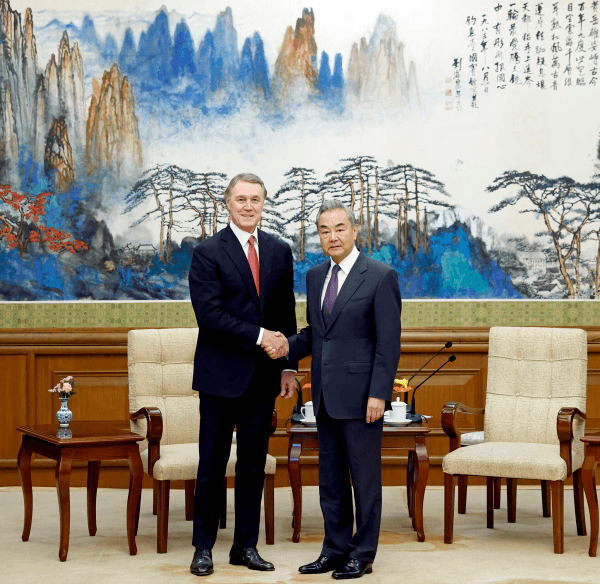
China’s foreign minister, Wang Yi, said Beijing hopes 2026 will be a “landmark year” for ties with Washington and urged both sides to prepare thoroughly for an anticipated summit between President Xi Jinping and U.S. President Donald Trump, who is due to visit Beijing at the end of March, Wang said at a press briefing on the sidelines of China’s ceremonial legislature in Beijing on March 8, 2026. While Wang did not confirm the visit, he signaled Beijing is seeking a less fraught relationship.
“The agenda for high-level exchanges is already on our table. What needs to be done now is for both sides to make thorough preparations for this, foster a suitable atmosphere, manage existing differences, and eliminate unnecessary distractions,” Wang said. “China’s attitude has always been positive and open, and the key is for the U.S. side to meet us halfway,” he added.
Wang’s conciliatory tone follows a turbulent 2025 in which the Trump administration imposed what the Associated Press described as the highest trade duties of his worldwide tariffs and later agreed with Xi to a temporary trade truce in October that paused the steepest levies but left deeper disputes unresolved. The message is aimed at reducing immediate market and diplomatic friction ahead of the planned leader meeting while preserving Beijing’s leverage.
Bloomberg quoted Lou Qinjian, spokesman for the National People’s Congress, saying “head of state diplomacy” remains the “irreplaceable” driver of bilateral ties and noting both presidents have kept regular communication since last year. “China and US both stand to gain from cooperation and lose from confrontation,” Lou told reporters, framing the summit as the principal channel for stabilizing relations.
The economic stakes are high. China‑briefing’s survey data show 58 percent of respondents list rising U.S.‑China tensions among their top five business challenges in China, underscoring corporate concern over tariffs, regulatory shifts, and supply chain disruption. China‑briefing also reports that despite plunging exports to the United States under tariffs, China’s overall foreign trade remains resilient and that a prevailing narrative within Beijing portrays the country as having gained confidence after late‑2025 talks with the U.S.
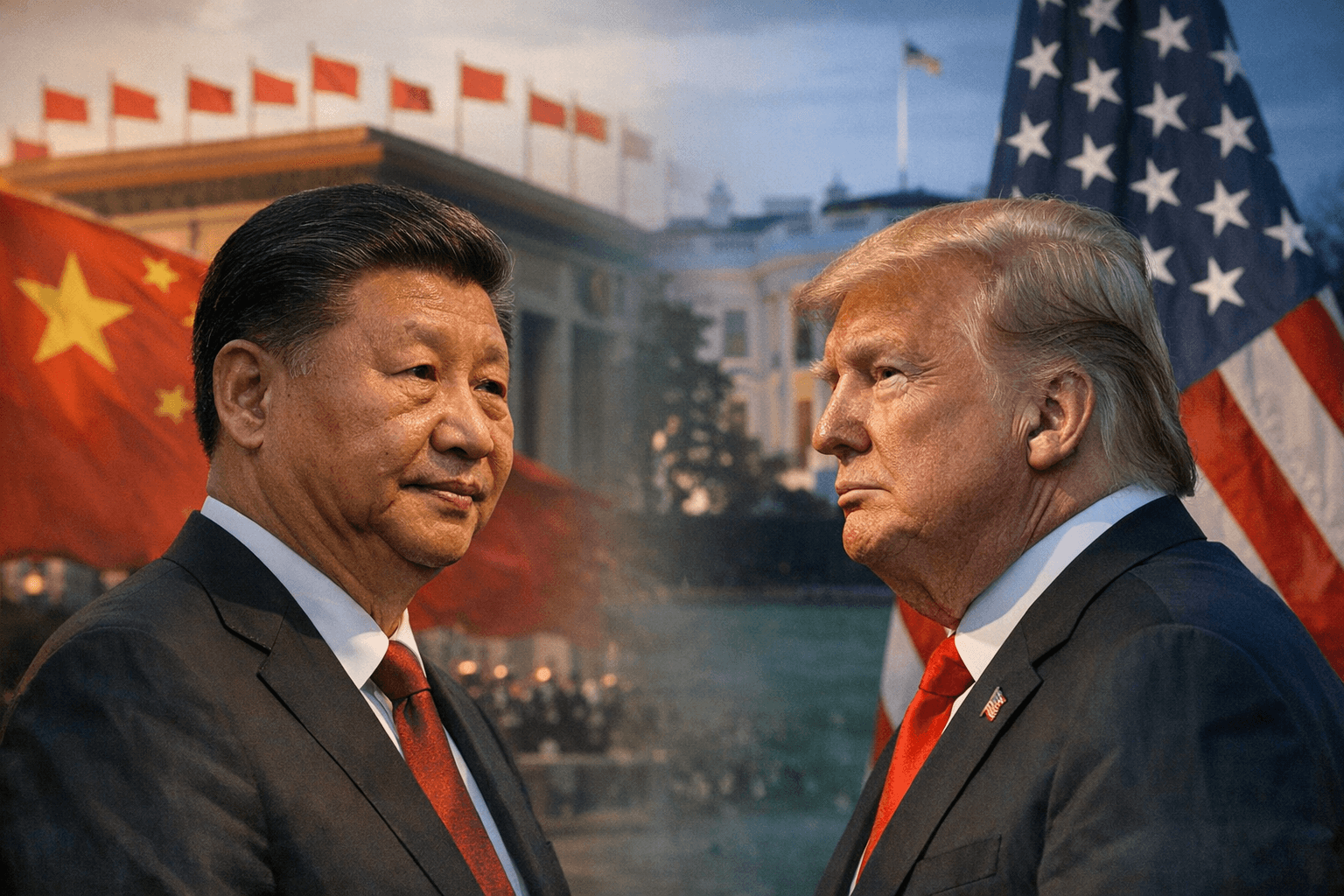
Security and geopolitical tensions cut across the economic discussion. Chinapower at the Center for Strategic and International Studies highlights 2025 as a turbulent year that stabilized somewhat after late‑2025 agreements but warns of sustained risks: about 68 percent of respondents there said China now views the United States as less committed to defending Taiwan. Chinapower/CSIS also documents deepened China‑Russia trade and security ties since Russia’s 2022 invasion of Ukraine, including increased trade volumes and the transfer of dual‑use goods.
Outside Asia, the regional contest is intensifying. BBC coverage of the Trump administration’s “Shield of the Americas Summit” at the president’s golf club portrays Washington’s strategy as an attempt to limit Chinese influence across Latin America, where Beijing is a top lender and financer of major projects such as the $3.5 billion Chancay megaport in Peru and the Bogotá metro in Colombia. Professor Evan Ellis, quoted by the BBC, said resisting Chinese advances “requires US companies willing to invest in the region at large scale as an alternative to China” and to offer competitive products and technologies.
Wang also defended the role of the United Nations amid what AP reported as layoffs and reductions following U.S. withdrawal from several U.N. initiatives, signaling Beijing’s interest in preserving multilateral forums even as bilateral competition intensifies.
For markets and policymakers, the immediate implication is clear: a successful summit could lower near‑term tariff and political risk and ease business uncertainty, but entrenched strategic competition across trade, technology, security, and third‑party regions will require sustained management beyond a single meeting. Wang’s call to “manage existing differences” sets a procedural tone, but substantive steps will determine whether 2026 becomes the landmark year he proposed.
Know something we missed? Have a correction or additional information?
Submit a Tip

