China’s Economy Grows 5%, Infrastructure Spending Offsets Weak Consumer Demand
Factory output and infrastructure kept GDP growing 5% in Q1, but retail sales rose just 2.4% as households stayed cautious.
Infrastructure spending and a stronger industrial base kept China’s economy expanding at a 5.0% annual pace in the first quarter, even as households remained reluctant to spend. Gross domestic product reached 33.42 trillion yuan, a modest improvement from 4.5% growth in the fourth quarter of 2025, but the numbers showed a widening split between supply and demand.
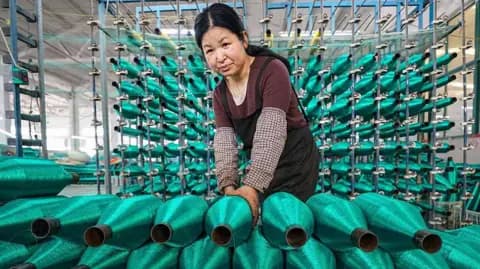
The National Bureau of Statistics said industrial output rose 6.1% in the quarter, while retail sales increased only 2.4%. The bureau warned of an “acute” imbalance between “strong supply and weak demand,” a blunt assessment that captured the gap between factory activity, which remains relatively solid, and domestic consumption, which is still struggling to regain momentum.
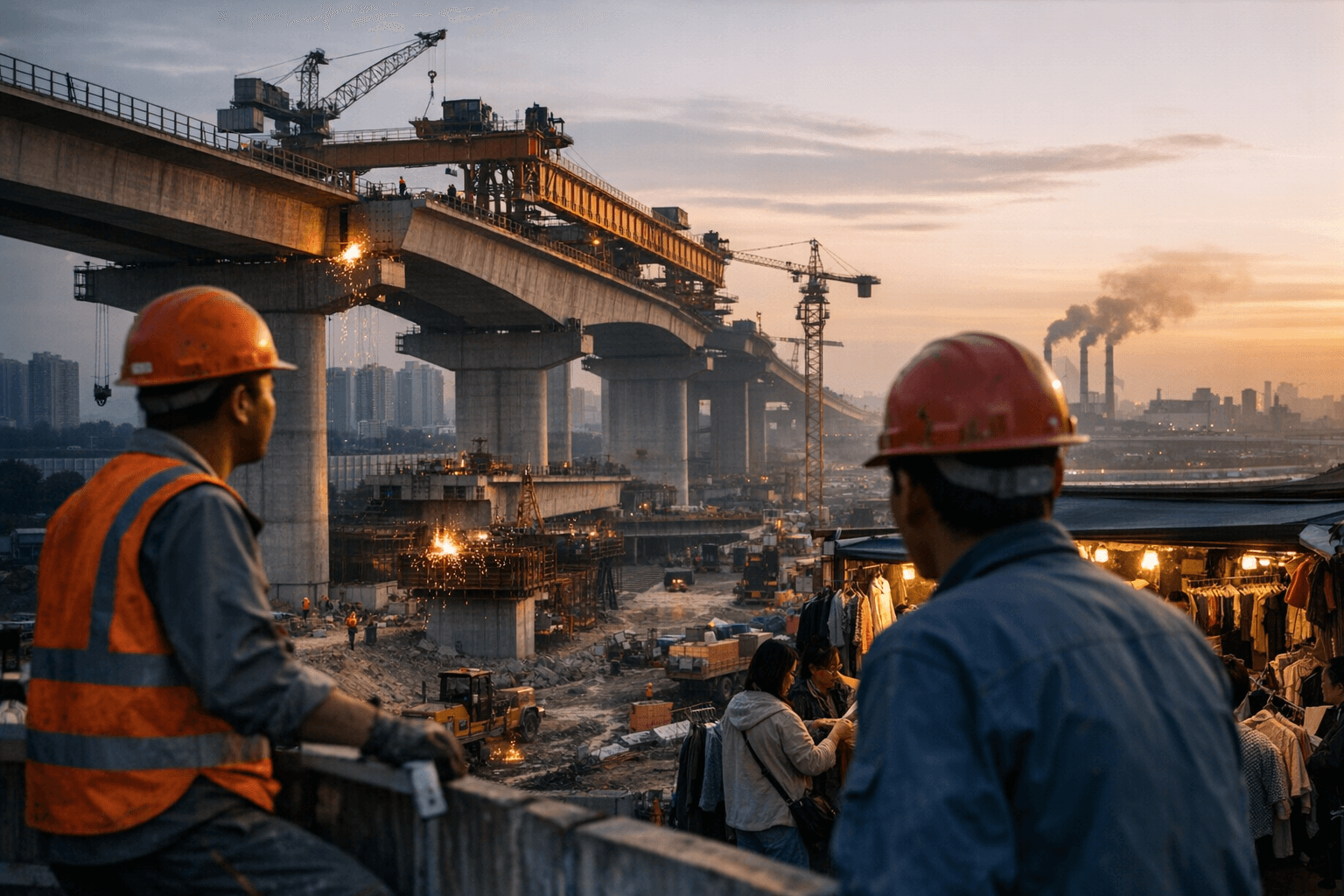
That imbalance was visible in the investment data. Urban fixed-asset investment rose 1.7% in the first quarter, helped by infrastructure investment that jumped 11.4% in January and February. Real estate development investment, by contrast, fell 11.2%, showing that the property slump continued to drag on growth even as public spending helped fill part of the gap.
The 5.0% reading slightly beat Reuters polling, which had pointed to 4.8% growth, and it landed at the top end of Beijing’s official 2026 target range of 4.5% to 5.0%, the least ambitious goal in decades. But the headline growth rate masked weaker underlying demand. Retail sales growth slowed to 1.7% in March from 2.8% in January and February, while the surveyed urban unemployment rate stood at 5.4% in March and averaged 5.3% for the quarter.
Households also showed caution in their spending patterns. Online retail sales of goods grew 10.3% in January and February to 2,081.2 billion yuan, and catering income rose 4.8%, but motor vehicle sales fell 7.3% over the same period. That mix suggested consumers were still willing to buy necessities and lower-cost items online, but not to commit to bigger purchases.
The quarter’s growth also came against an external backdrop that may not stay supportive. Exports had been a major source of strength, but economists warned that the Iran war could raise energy costs, weaken global demand and squeeze corporate margins. For now, China’s economy has grown on the back of factories, exports and infrastructure. The harder test will be whether policymakers can turn that state-led lift into a broader recovery in household demand before the global backdrop deteriorates further.
Sources:
Know something we missed? Have a correction or additional information?
Submit a Tip