China’s May exports surge on global AI demand for chips and hardware
China's exports jumped 19.4% in May as AI-linked chip and hardware shipments surged, while furniture, toys and footwear stayed weak.
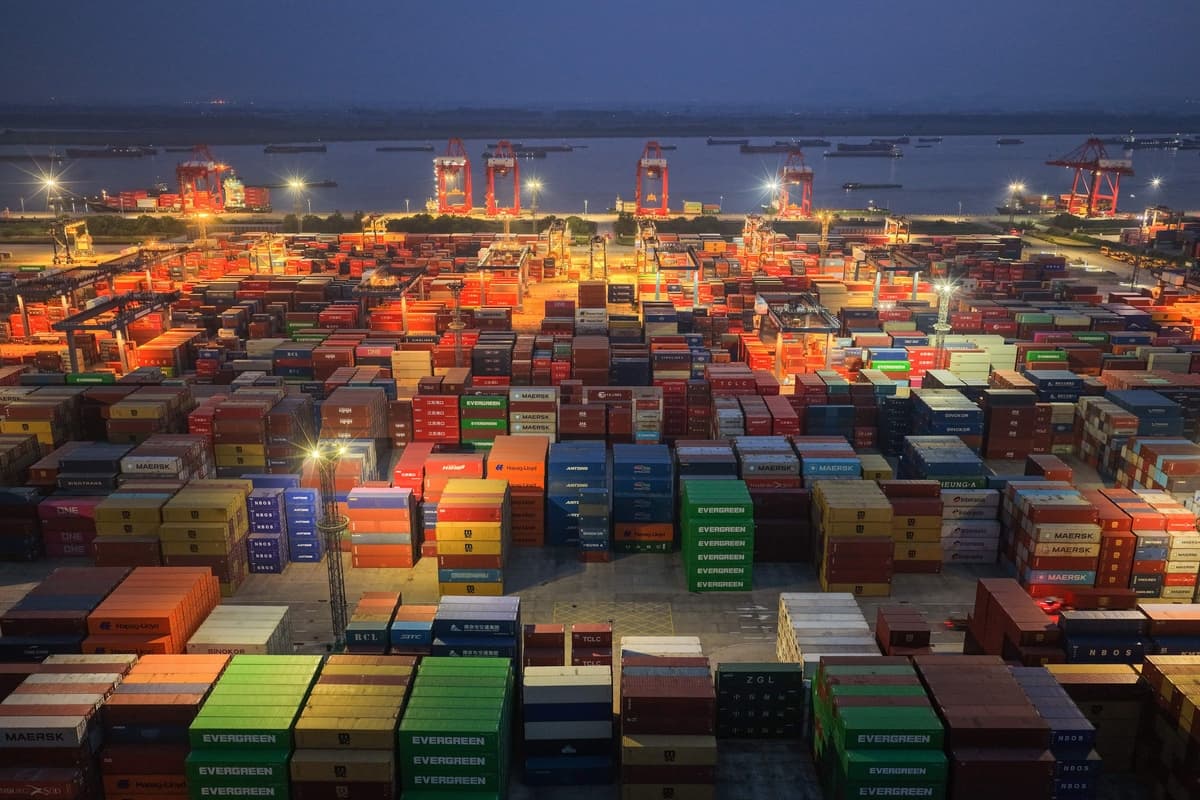
China’s exporters are getting a lift from the global AI buildout even as the rest of the economy remains uneven. Exports rose 19.4% year on year in May, speeding up from 14.1% in April and beating economists’ 15% forecast, while imports climbed 27.4%, a sign that foreign demand and some restocking held up better than expected.
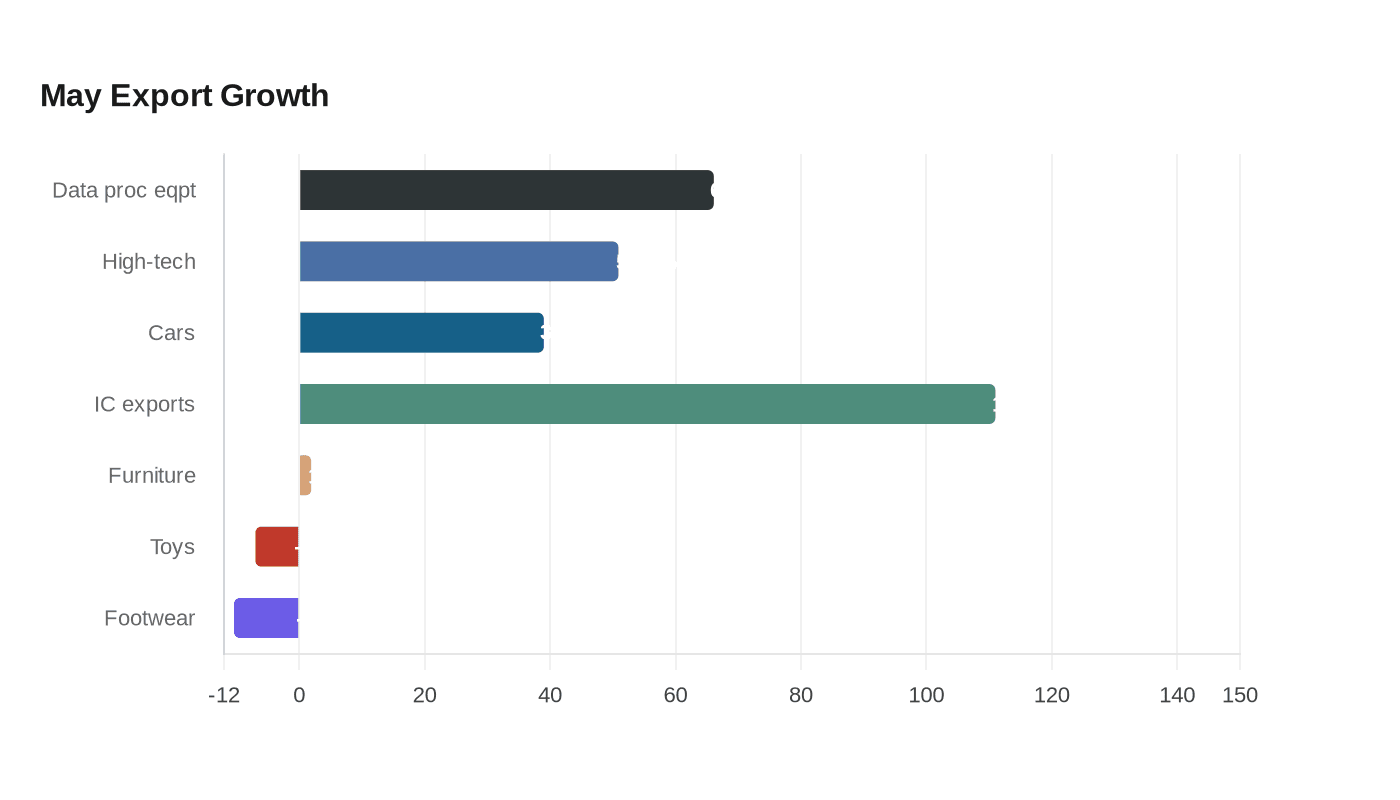
The gains were concentrated in the technology supply chain. Exports of automated data-processing equipment jumped 66.1%, high-tech products rose 50.9%, and car shipments increased 39%. Xing Zhaopeng of ANZ said memory prices rose 20% month on month, helping push integrated-circuit export growth to 111% in May. That pattern shows how China is benefiting from the race to build chips, servers and other AI hardware.
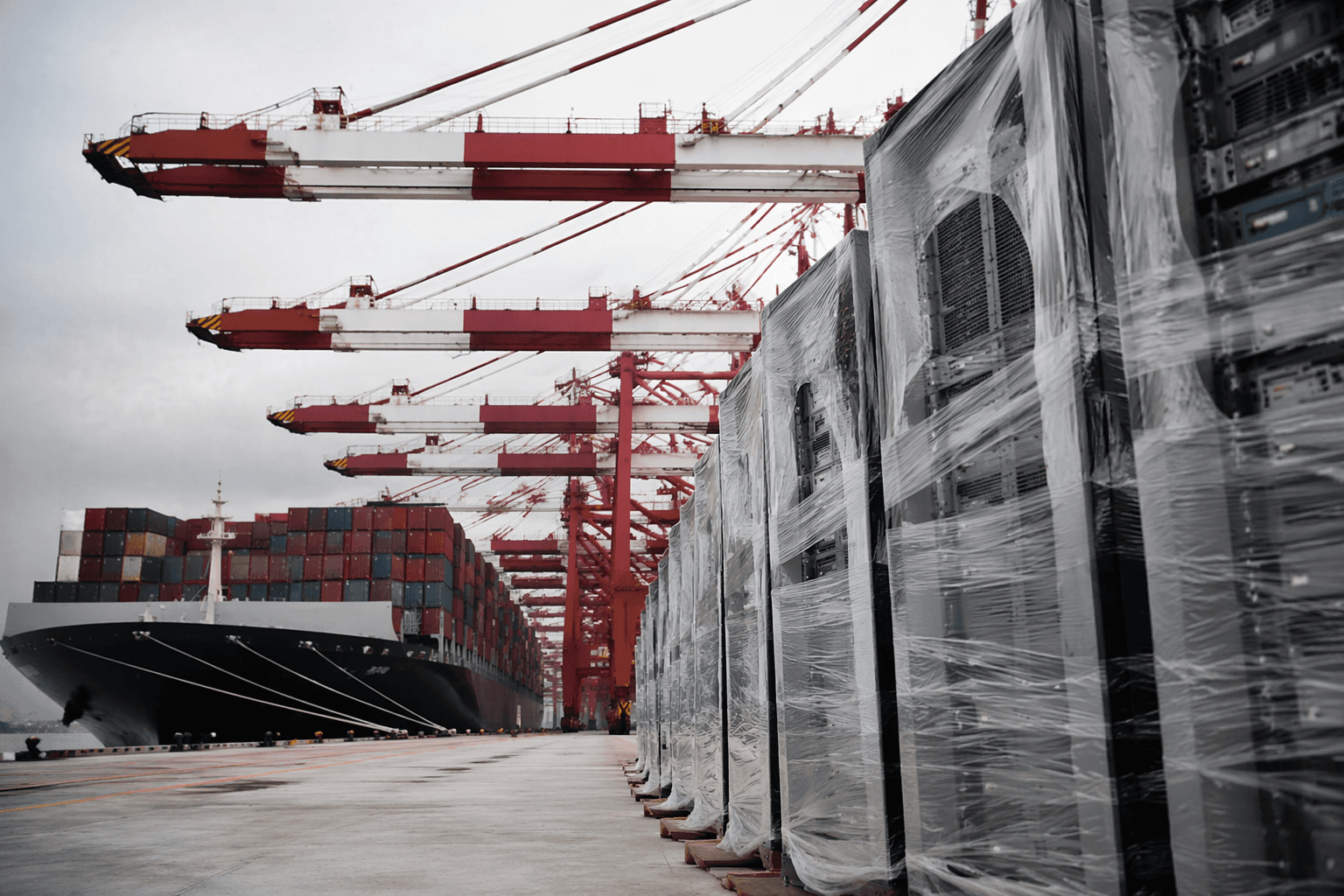
Not every export category shared in the boom. Furniture shipments rose just 1.9%, toys fell 7%, and footwear dropped 10.4%, underscoring how the higher-value end of manufacturing is carrying the trade picture while consumer-linked categories stay soft. New export orders also slipped from April’s peak, suggesting some of the momentum may be fading as the rush to pre-empt higher energy costs tied to the Gulf and Israel-Iran conflict eases. Some of May’s strength also reflected front-loading by overseas buyers, which makes the surge harder to read as a clean trend.
The broader policy stakes are rising. A Federal Reserve note published May 29 said China’s trade surplus climbed from less than 0.1% of rest-of-world GDP in 2000 to 0.5% in 2007 and stayed near that level through the 2010s. Another note published March 23 said the surplus hit a record $1.2 trillion in 2025, equal to more than 6% of GDP. Those figures help explain why Beijing’s export machine is drawing more scrutiny in Washington, where pressure is growing for China to rely less on imported components and re-exported goods and more on domestic consumption. The May numbers showed how powerful the AI cycle has become for Chinese industry, but they also highlighted how narrow and exposed that engine may be if tariffs, geopolitics or softer global demand cut into the next order cycle.
This article was produced by Prism’s automated news system from verified source data, official records, and press releases, then run through automated quality and moderation checks before publishing. The system is built and supervised by the people who set the standards it runs under. Read our full AI policy.
Know something we missed? Have a correction or additional information?
Submit a Tip