China’s pressure on Japan escalates with bombers, detentions, rare earth curbs
Chinese bombers and Russian fighters flew near Japan as Beijing detained two Japanese nationals and tightened rare-earth controls, widening pressure on Tokyo.

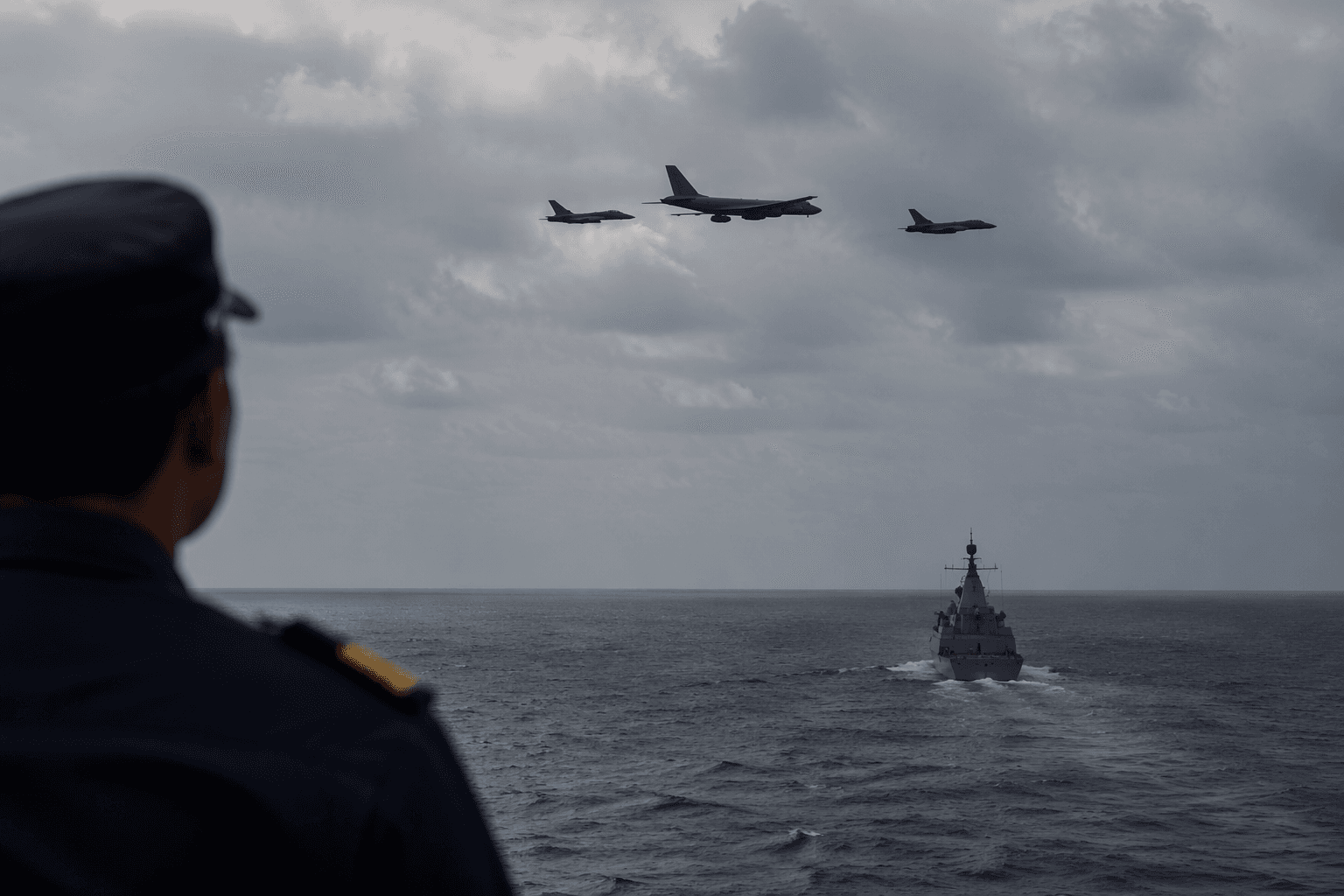
Chinese and Russian forces sent more than 15 aircraft on June 27 over the Sea of Japan, the East China Sea and the western Pacific, forcing Japanese and South Korean interceptors to scramble as Tokyo described the 11th joint strategic air patrol as a show of force. The flight came as Beijing kept up pressure on Japan across both military and economic channels, turning the region’s airspace and trade ties into a single test of resolve.
Japan said on June 24 that China had detained two Japanese nationals in May in Dalian, Liaoning province. Chief Cabinet Secretary Minoru Kihara said one was detained on May 18 and the other on May 25. One of the cases was reported to involve rare earth-related exports, deepening alarm in Tokyo that China’s mineral controls can create not only supply shocks but also compliance and personnel risks for foreign firms operating in China.
The detentions followed China’s January 6 export curbs on dual-use goods destined for Japan, including rare earth elements and rare-earth magnets. Japanese officials called the move “absolutely unacceptable” after it was widely interpreted as a response to Prime Minister Sanae Takaichi’s November 2025 remarks that a Chinese attack on Taiwan could constitute an existential threat to Japan. Beijing’s restrictions also reached into Japan’s defense establishment, with four government defense research institutes blacklisted and dozens of other Japanese entities placed under tighter export scrutiny.
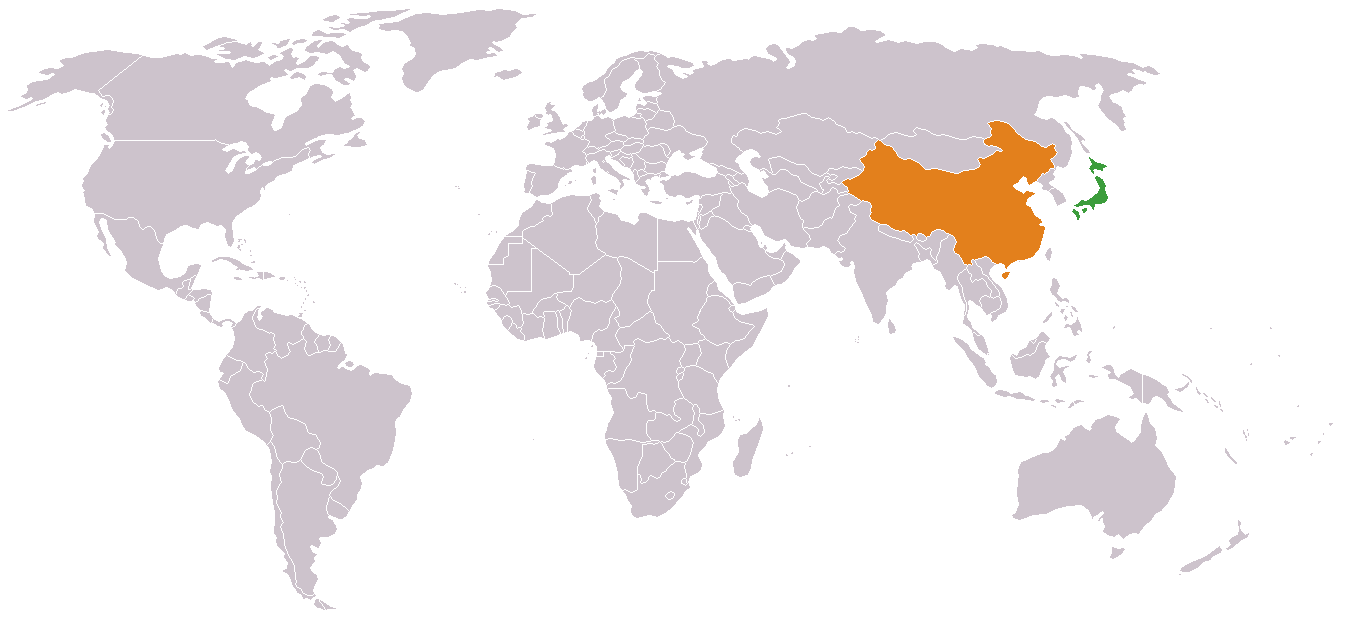
Taken together, the air patrol, the detentions and the export controls show Beijing using military signaling and industrial leverage in tandem. For Japan, the pressure exposes how dependent advanced manufacturing and defense planning remain on a stable flow of critical minerals, even as rare earths become a geopolitical weapon. For Washington, the campaign is a reminder that backing allies in the Indo-Pacific now means more than security commitments at sea and in the air. It also means helping them withstand coercion aimed at supply chains, research institutions and the people who keep cross-border commerce running.
This article was produced by Prism’s automated news system from verified source data, official records, and press releases, then run through automated quality and moderation checks before publishing. The system is built and supervised by the people who set the standards it runs under. Read our full AI policy.
Did this article answer your question?