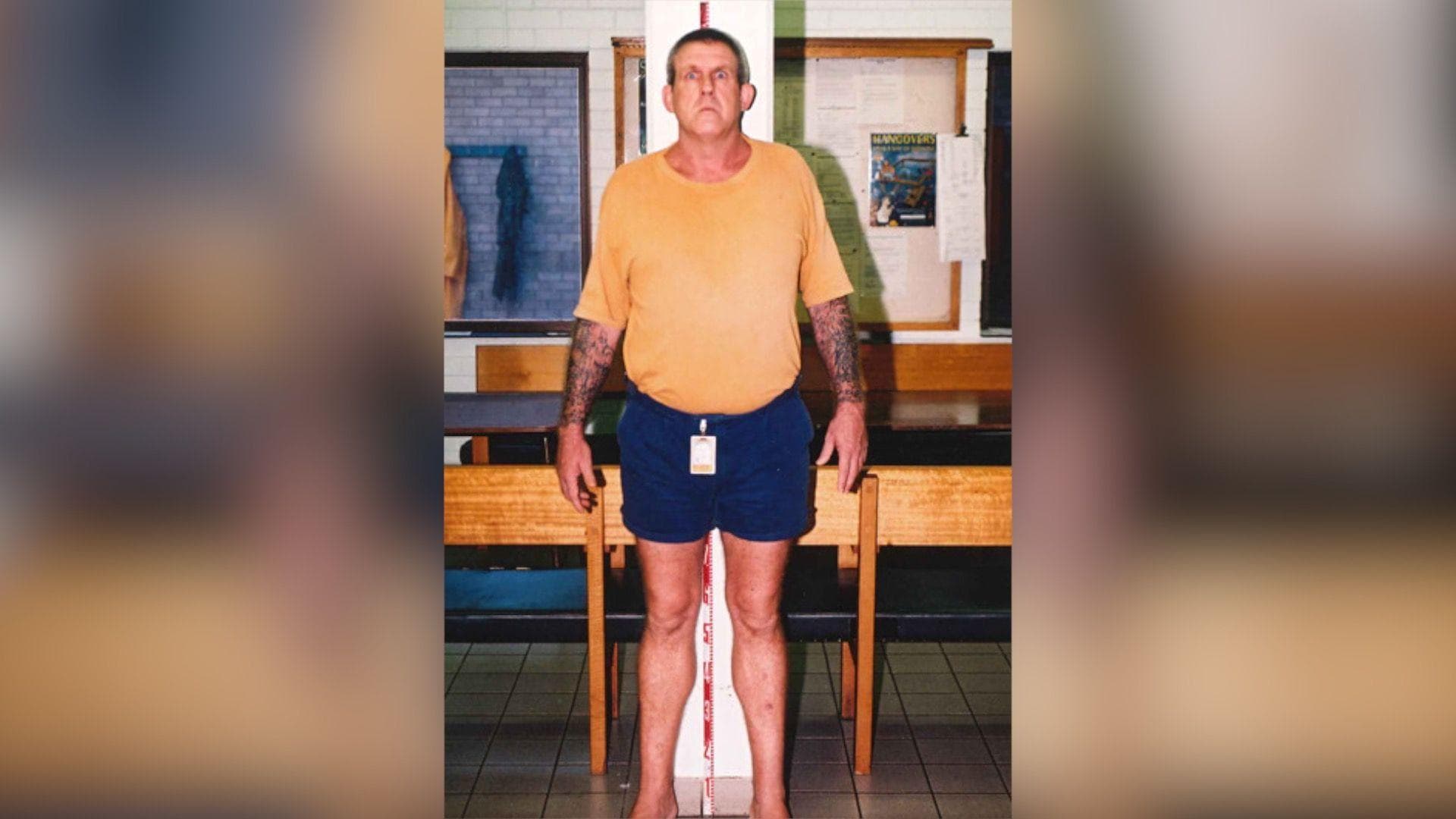
Chinese-American seismologist detained in China on spying charges, family says
A Chinese-born U.S. seismologist tied to North Korea nuclear-test research has been held in China for nearly two years, deepening a fight that now touches science and security.
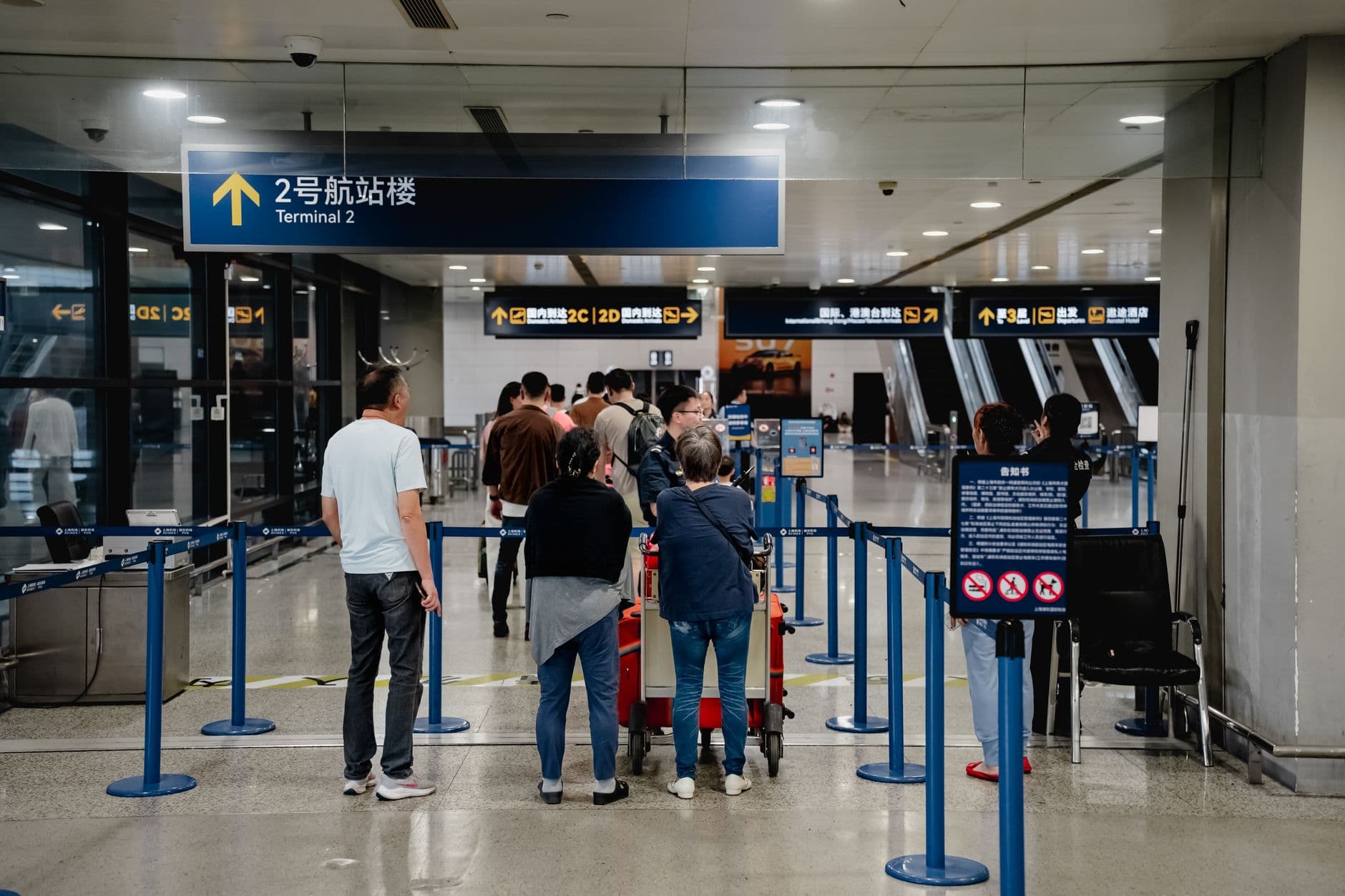
Chinese state security officers detained Youlin Chen at Beijing International Airport on November 5, 2024, as he prepared to fly home to Boston after visiting family and lecturing at two universities. The Chinese-born American seismologist has remained in China for nearly two years and now faces spying charges, turning a scientist’s travel back to the United States into a case with national-security and diplomatic weight.
Chen’s work makes the detention especially sensitive. He had published U.S.-funded research on detecting North Korean nuclear tests, a field that sits close to intelligence and defense interests even when it is conducted as science. North Korea has carried out six declared underground nuclear explosions since 2006, and seismology literature has described the Sept. 3, 2017 test as an order of magnitude larger than the previous five declared blasts, underscoring why seismic monitoring can draw scrutiny from security services.
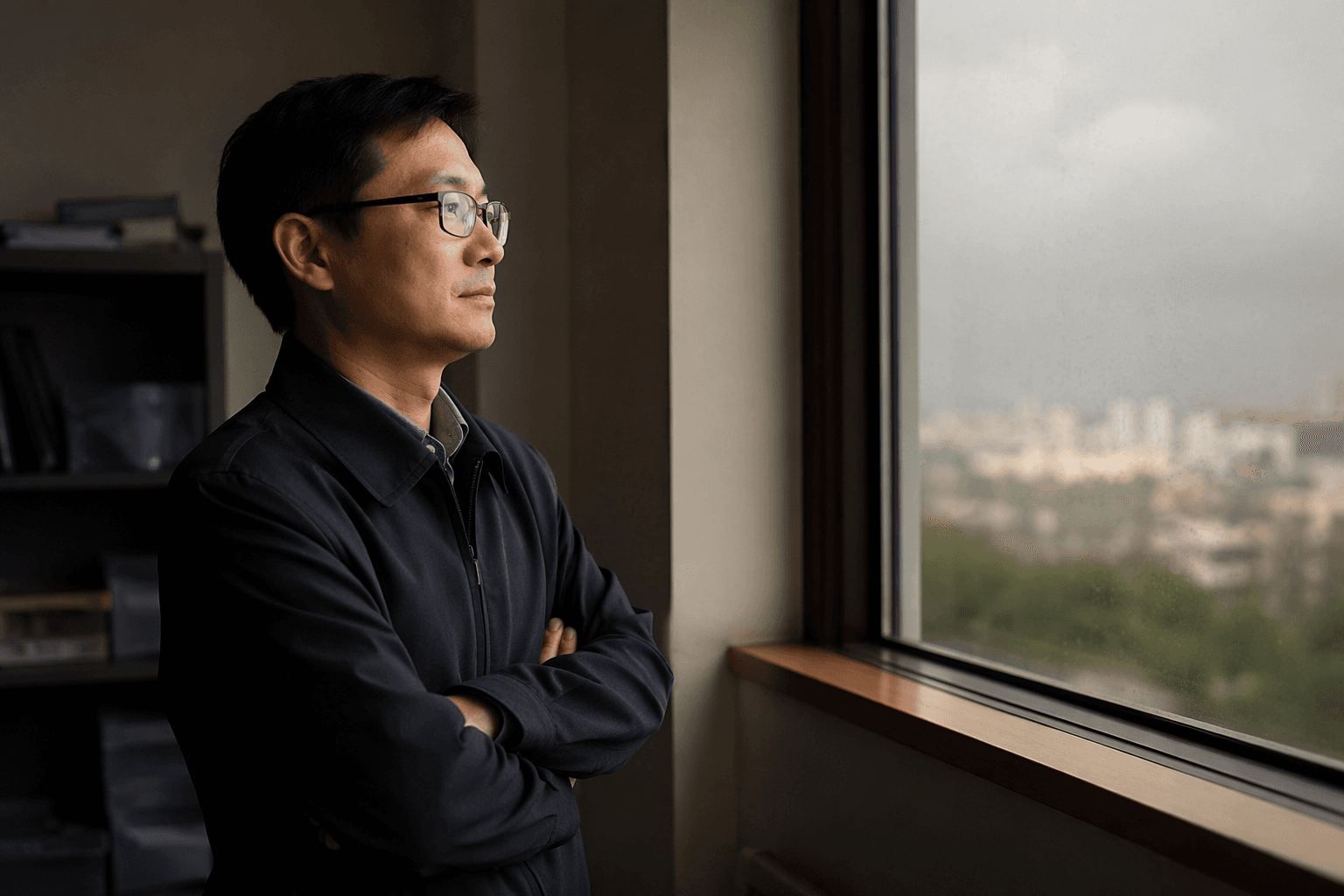
Secretary of State Marco Rubio designated Chen as wrongly detained on March 19, 2026, making his release a top U.S. priority. Chen is the only American currently held in China with that designation, according to the State Department. The Office of the Special Presidential Envoy for Hostage Affairs leads U.S. efforts to secure the freedom of Americans held hostage or wrongfully detained abroad and to support their families.
Chen’s wife, Yufang Rong, said she was told by the White House and the State Department that Donald Trump raised the case with Xi Jinping during a May 2026 state visit to Beijing. Rong said Xi promised to look into it, but no action followed. The Trump administration withheld a public announcement about the case to preserve diplomatic room, a sign of how closely Washington has tied Chen’s fate to broader talks with Beijing.
The case now sits at the center of a larger dispute over how China treats Americans whose work overlaps with security-adjacent research. Chen’s detention has become personal for his family, which has pressed for his release for years, and geopolitical for Washington, which has warned that wrongful detention cases can complicate already fragile relations with Beijing. For researchers working in China, the episode is a reminder that scientific work on topics such as seismic signals, nuclear testing and detection can be pulled into the logic of state security and hostage diplomacy.
This article was produced by Prism’s automated news system from verified source data, official records, and press releases, then run through automated quality and moderation checks before publishing. The system is built and supervised by the people who set the standards it runs under. Read our full AI policy.
Did this article answer your question?