Chinsegut Hill Manor Preserves History and Serves as Community Hub
Chinsegut Hill Manor continues as a museum and retreat, offering tours, cabins and programs that preserve local history and support conservation.
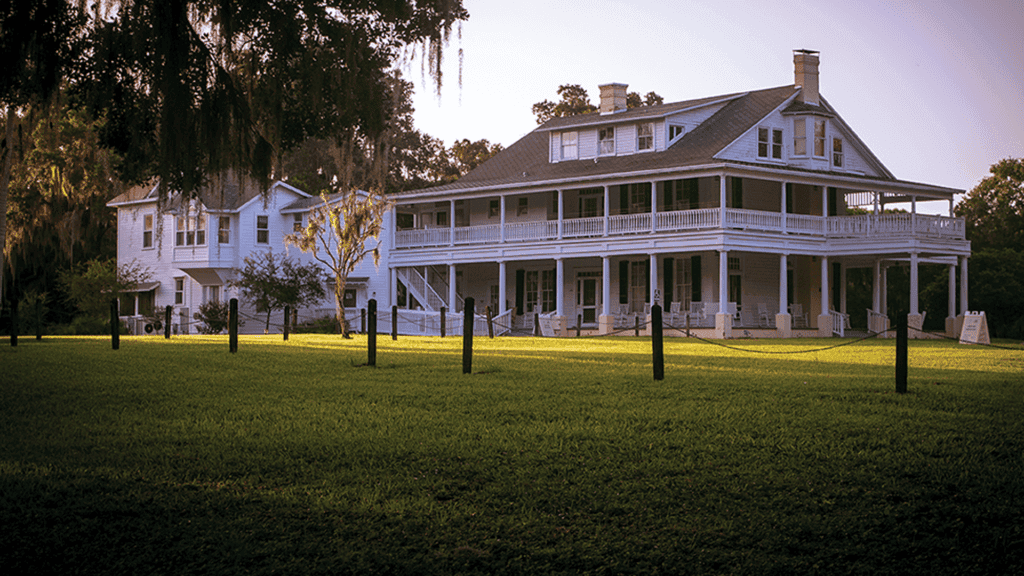
Perched on one of the highest elevations in peninsular Florida roughly five miles northeast of Brooksville, Chinsegut Hill Manor remains a vital cultural and conservation asset for Hernando County. The nationally registered historic property—known locally as The Hill and historically as Mount Airy or Snow Hill—operates as a historic house museum and retreat site, drawing visitors for guided tours, educational programs, and lodging in CCC-era and modern cabins.
The estate's recorded history begins in the 1840s with settlements tied to the Armed Occupation Act, and the manor’s earliest construction dates to the 1840s and 1850s. In 1904 Raymond and Margaret Robins purchased the property and renamed it Chinsegut, a term said to be an Inuit word meaning a place where lost things are found. During the Robins era the manor hosted prominent cultural figures including Thomas Edison, Helen Keller, and Marjorie Kinnan Rawlings, cementing its role as an intellectual and social hub in the early 20th century.
During the Great Depression the Robins family donated thousands of acres to the federal government to support agricultural research and Civilian Conservation Corps projects. The remaining manor and roughly 114 acres have since transferred through a series of stewardship arrangements involving federal and state agencies alongside local partners. Those partnerships now underpin the property’s dual mission of historic preservation and public programming, balancing conservation priorities with access for residents and visitors.
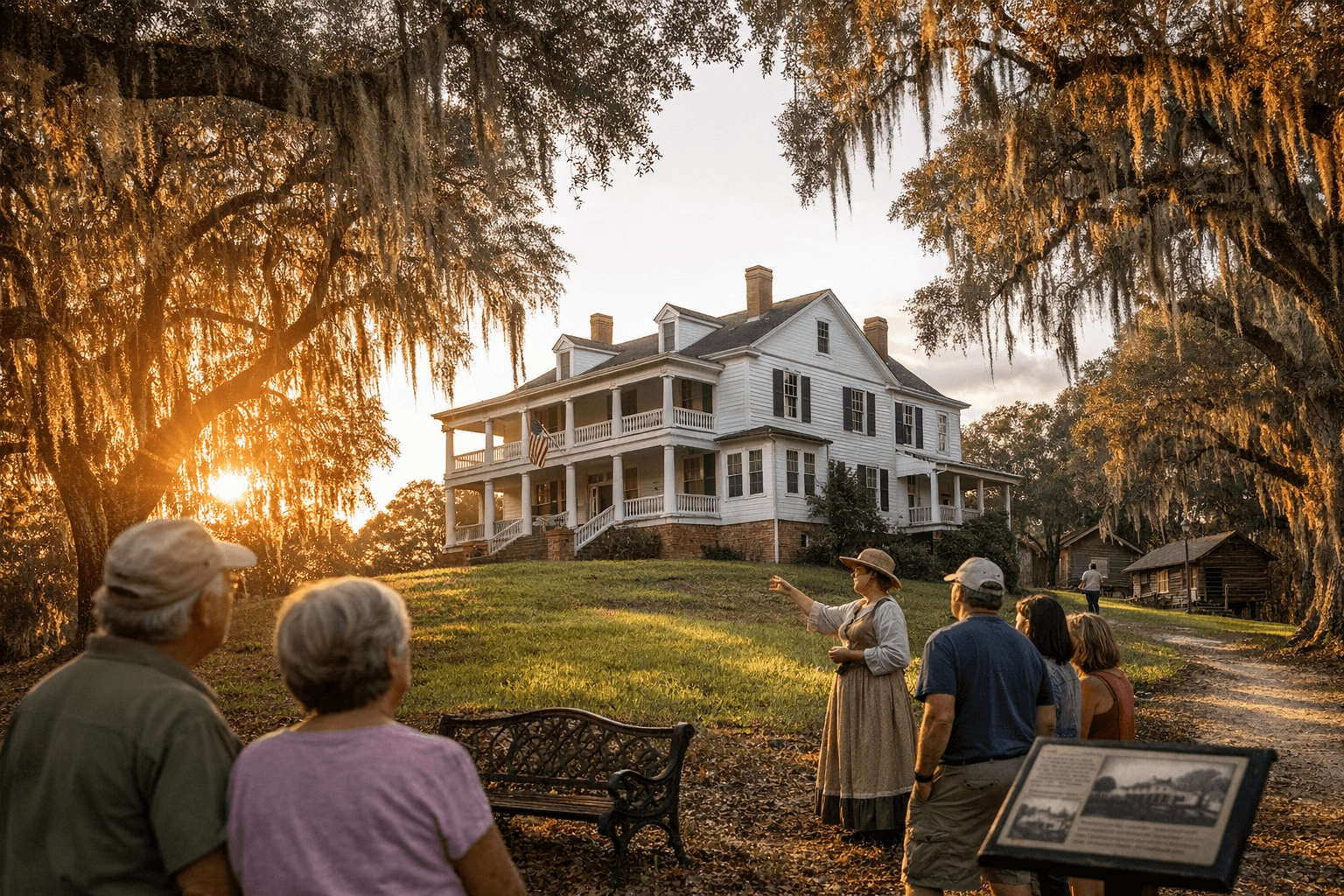
For Hernando County, Chinsegut Hill functions as a living classroom and community retreat. The Manor House offers docent-led tours that interpret regional architecture and the layered histories of settlement, conservation, and cultural exchange. Grounds and picnic areas support outdoor learning and small conferences, while on-site cabins—some dating to the CCC period—provide unique lodging for groups seeking a rural Hillsborough-area retreat experience without leaving the county.
The institutional arrangements that sustain Chinsegut Hill reflect broader policy choices about public stewardship of heritage sites. Continued federal, state and local collaboration secures funding streams and management expertise but also requires clear community engagement so programming aligns with local needs. Maintaining public access while protecting fragile historic fabric and natural resources will remain a governance challenge as Hernando County planners consider tourism, conservation funding, and educational partnerships.
For residents, the hill is more than a landmark; it is a resource for civic life, education and local identity. Ongoing stewardship will shape how future generations encounter the county’s past and landscape, and community involvement in preservation efforts will determine whether the place where lost things are found stays accessible and relevant to Hernando County.
Sources:
Know something we missed? Have a correction or additional information?
Submit a Tip