Cholera outbreak in Nigeria kills 74, infects more than 7,800
Borno’s cholera outbreak has killed 74 and sickened more than 7,800, as displacement and broken sanitation systems pushed cases across 14 local government areas.
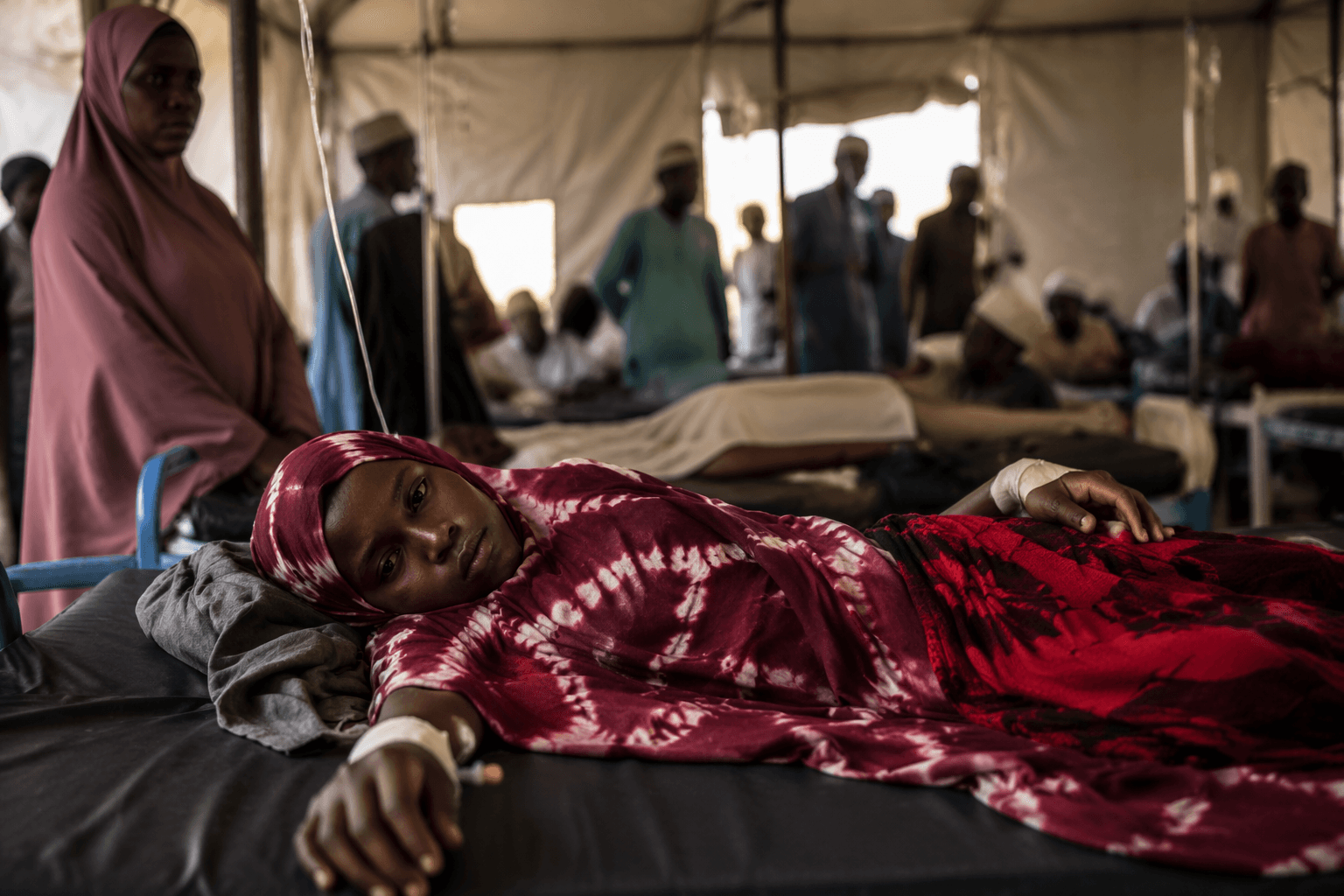
A cholera outbreak ripping through Borno state has killed at least 74 people and infected more than 7,800, as displacement, damaged sanitation systems and insecurity slowed the race to treat patients in northeastern Nigeria. Médecins Sans Frontières said the surge began in early May and has spread across 14 local government areas, with families often traveling long distances to reach care.
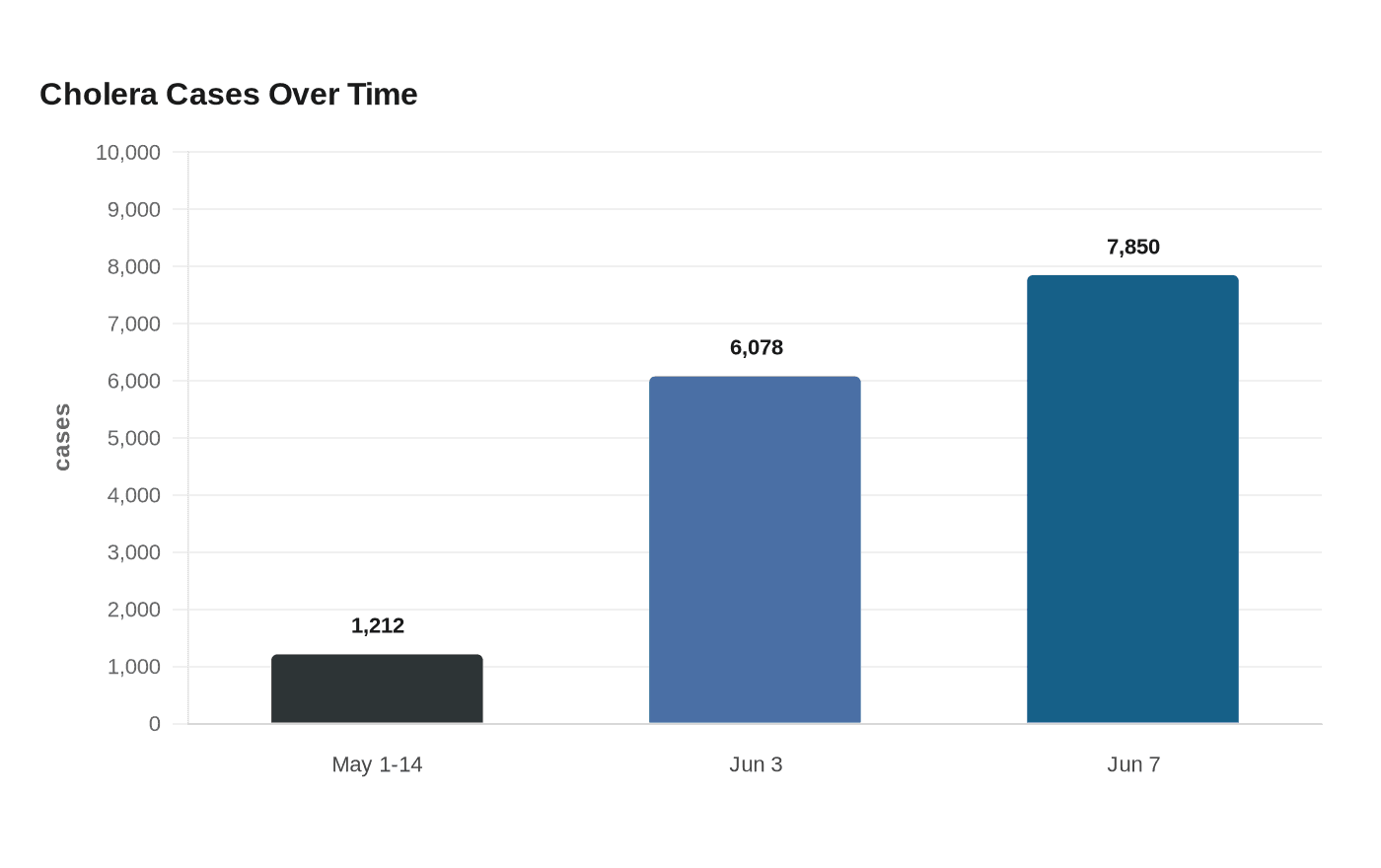
The group said 7,850 suspected cases had been recorded by June 7 using figures from the state ministry of health. MSF has treated 7,439 patients so far and was averaging about 230 admissions a day, a pace that has strained an already fragile health system in a region battered by nearly two decades of Boko Haram violence.
The pressure intensified on June 5, when more than 500 cases were recorded in a single day, the highest daily figure since the response began. At MSF’s cholera treatment center in Maiduguri, the state capital, medical teams have been seeing patients arrive with severe watery diarrhea and dehydration after long journeys from communities where health facilities are hard to reach or no longer functioning properly.
Borno’s own health reports show how quickly the outbreak expanded. A ministry situation report covering May 1 to May 14 counted 1,212 suspected cases and 18 deaths across four local government areas. By June 3, the tally had climbed to 6,078 suspected cases and 65 deaths, with two cholera treatment centers and 12 oral rehydration points operating. A June 4 update said the outbreak had spread to seven of Borno’s 12 affected local government areas, reaching 138 settlements across 40 wards.
Authorities are preparing a vaccination campaign while MSF continues to expand treatment, hygiene and surveillance. The response is being coordinated through Nigeria’s National Cholera Technical Working Group, led by the Nigeria Centre for Disease Control and Prevention and the Federal Ministry of Health. Public health officials say the deeper challenge is structural: cholera thrives where clean water and sanitation are scarce, and only 14% of Nigeria’s population had access to safely managed drinking-water services in government data from 2020.
The threat is familiar in Borno. UNICEF says the state was the center of Nigeria’s 2017 cholera outbreak, which ran from August to December and ended with 5,365 cases and 61 deaths. The World Health Organization says cholera can kill within hours if untreated, and that control depends on safe water, sanitation, hygiene and oral cholera vaccination working together, not as separate fixes. In a state already shaped by conflict, that combination is now the difference between containment and a wider emergency.
This article was produced by Prism’s automated news system from verified source data, official records, and press releases, then run through automated quality and moderation checks before publishing. The system is built and supervised by the people who set the standards it runs under. Read our full AI policy.
Know something we missed? Have a correction or additional information?
Submit a Tip