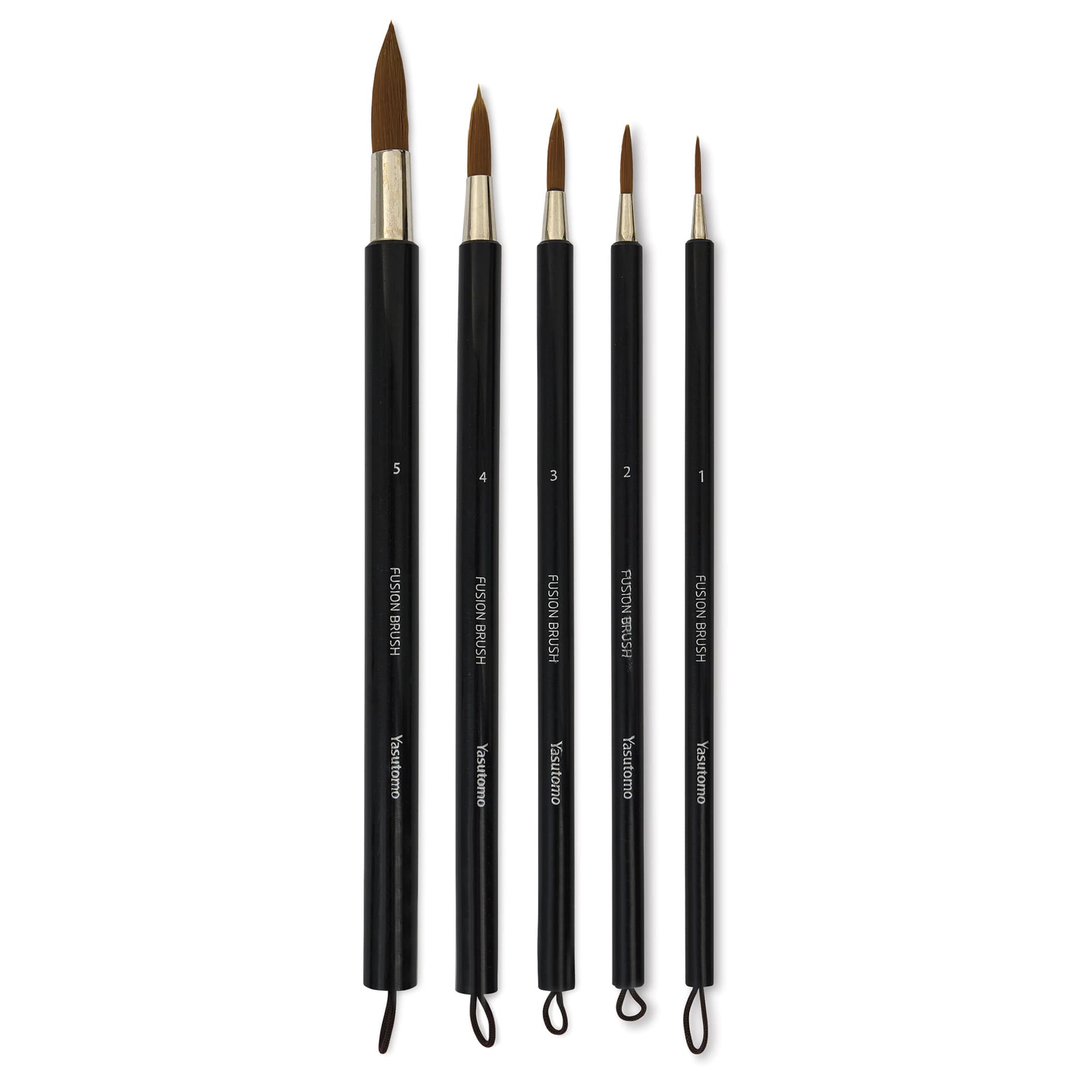
Choose and Care for Miniature Painting Brushes for Better Results
This concise guide explains how to choose between Kolinsky sable and high-quality synthetics, which brush sizes and shapes to start with, and the step-by-step care routine that extends brush life. Better brush selection and maintenance translate directly into cleaner lines, smoother glazing, and less frustration at the tabletop.
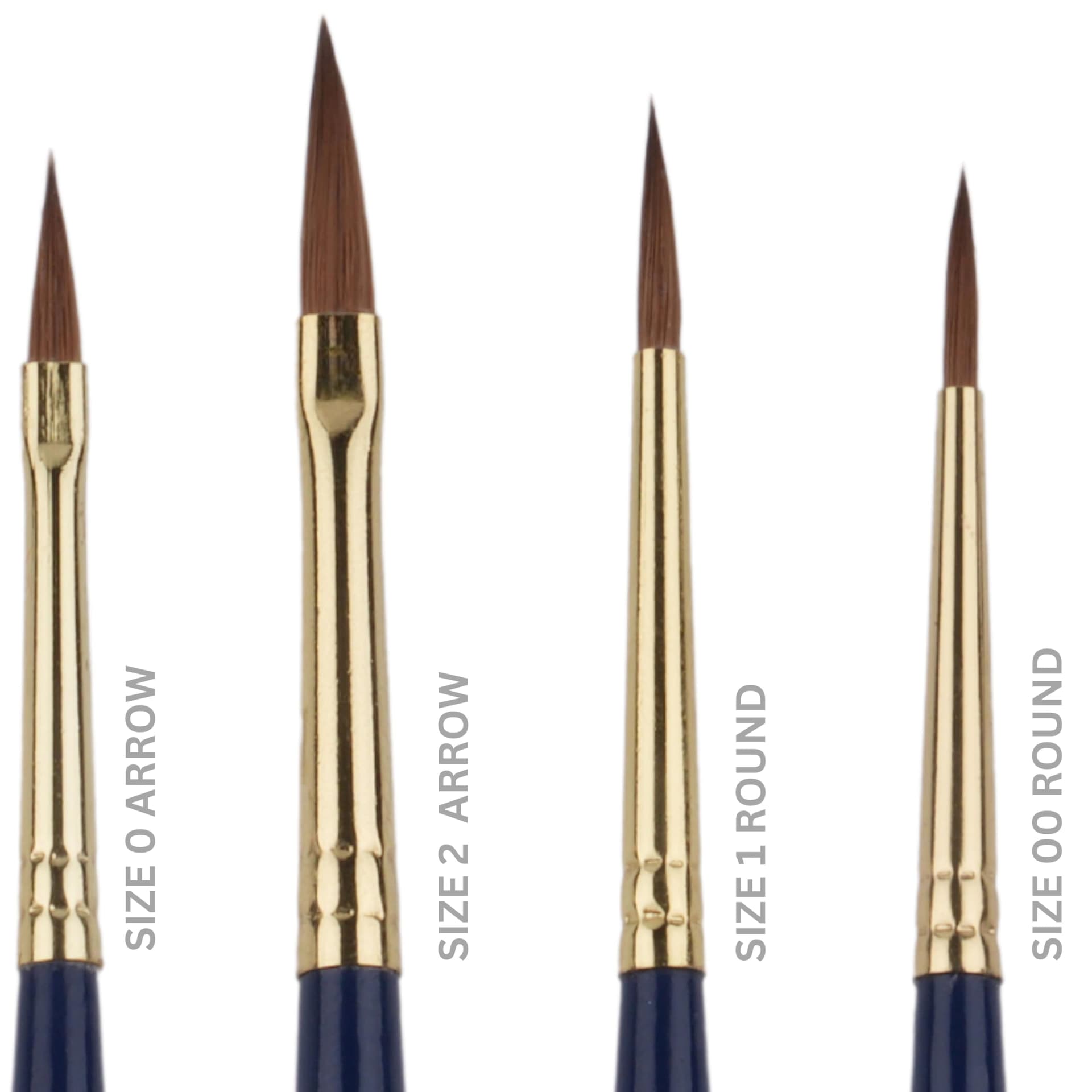
Good brushes make the difference between frustration and control on small scales. For most miniature painters, a small, well-chosen set combined with a simple care routine produces the best returns: cleaner detail, more consistent glazing, and longer-lasting tools.
Start with the right types and sizes. Kolinsky sable offers the best point, spring, and pigment capacity for fine detail and glazing, while high-quality synthetic brushes now approach sable performance for general use and are easier to maintain. A practical starter set is a Kolinsky #0 or 000 for fine detail, a #1–2 for general detail and layering, and a #3–4 for basecoating and larger accents. Round pointed brushes are the most versatile shape; add a flat or shader for edge highlights and block coverage where needed.
When buying, prefer well-balanced brushes with a secure ferrule and a long, tapered point. Avoid very cheap brushes with fuzzy tips. For Kolinsky, favor established hobby brands and look for brushes that retain spring and tip shape under normal use. A single high-quality brush will outperform several low-cost ones, and investing in two to four key brushes often saves money and time over the long run.
Daily care is straightforward and effective. After a session, remove excess paint promptly so acrylic cannot dry in the ferrule. Rinse in water, work a little gentle brush soap or a purpose cleaner into the hair and ferrule, rinse until pigment runs clear, reshape the point with your fingers, and dry the brush horizontally. Store brushes point-up only when mostly dry in a brush holder; avoid leaving brushes permanently upright in water, which breaks hairs over time.
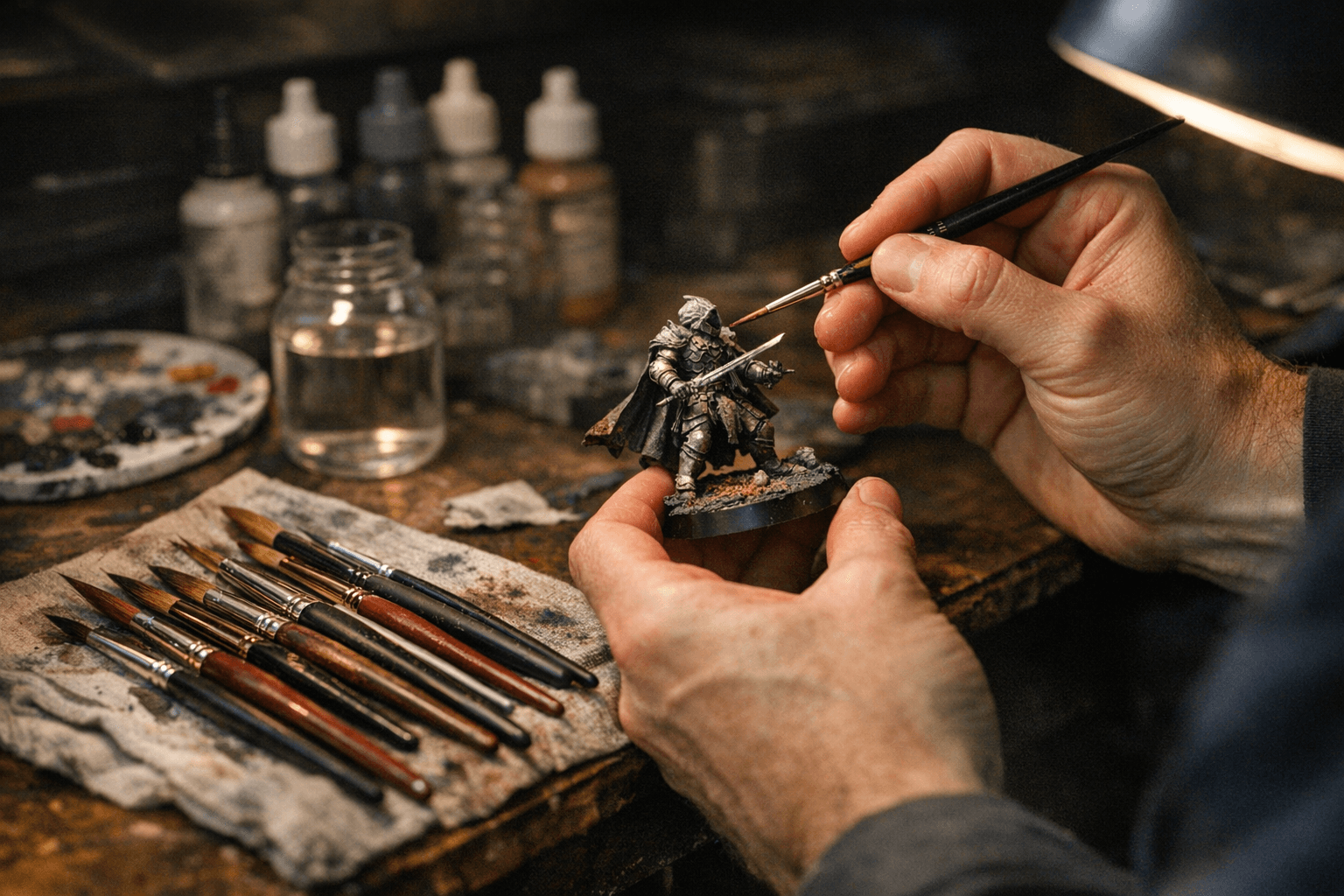
For storage and travel, protect Kolinsky tips with a tube or roll to prevent tip damage. Use a sealed holder for wet palettes to control humidity and prevent accidental soaking. Occasionally condition Kolinsky hair with a small amount of brush soap or dedicated conditioner to maintain natural oils. If tips splay slightly, a tiny amount of brush restorer can help, but persistent splaying usually means replacement is necessary.
Practical routines extend usable life and improve results. Keep a couple of dedicated older synthetic brushes for texture work or technical paints, and reserve Kolinsky for fine glazing and detail. Rotate brushes during lengthy projects rather than relying on a single brush for every phase. With the right selection and a few minutes of care after each session, you will see cleaner lines, smoother blends, and fewer replacements over time.
Know something we missed? Have a correction or additional information?
Submit a Tip