Choose metal, gemstone type, engraving method, resizing and budget
Narrow the brief first — pick metal, gem type, engraving style, and whether you’ll want resizing — then set a realistic budget so the final piece surprises for the right reasons.

Define the brief before you shop The single best thing you can do for a personalized gift is decide the brief before you scroll: choose the metal, pick mined or lab‑grown gemstones, select a personalization method (handwriting engraving, nameplate, coordinate engraving, micro‑engraving), and decide if you’ll need future changes like resizing or add‑ons. Those four choices determine manufacturability, price, and how easy it will be to modify later. Tell the jeweler or maker this exact brief up front and you’ll avoid surprises at checkout.
Choose the right metal for the person and the life they live Metals set the tone and the maintenance level. Sterling silver and vermeil read relaxed and cost‑effective (expect $60–$250 for simple personalized pieces), gold-filled or 14k gold is the everyday winner for durability and value ($150–$800 for a nameplate necklace or small ring), and platinum is the no‑compromise choice for longevity and skin sensitivity—expect starting prices north of $800 for small personalized items. If the recipient works with their hands, go 14k rather than 18k to reduce scratches; if they have metal allergies, platinum or high‑karat gold is the safer bet.
Gemstone type: lab‑grown vs mined, and when to choose each Decide whether the gemstone will carry a story or a value proposition. Lab‑grown diamonds and colored stones offer the same visual sparkle at a lower price — think pendants and studs with lab‑grown diamonds from about $400–$1,200 — and they’re ideal if you want size for cost. Mined gemstones hold resale and emotional narratives that matter for engagement or heirloom pieces; a small mined diamond or sapphire pendant usually starts around $1,000 and climbs quickly with clarity and carat. For a budget‑minded but meaningful gift, pick a lab‑grown center and add a mined accent (or vice versa) so the piece feels special without breaking the bank.
Personalization methods, and who each is right for Handwriting engraving: Transferring a loved one’s handwriting into metal is the most intimate move. It costs more than standard text — typically $40–$120 extra — and requires a clear sample, but it’s perfect for partners and parents who want a private, unique mark.
Nameplate: Clean, classic, and legible. Best for recipients who wear bold, everyday jewelry — think a friend who layers name necklaces or a sibling with a strong personal style. Expect $150–$500 depending on metal and size.
Coordinate engraving: Small, almost secretive. Engrave the GPS of a first home, wedding, or birthplace on a ring or bar. Economical and durable, coordinate engraving usually runs $30–$100 and looks excellent on narrow bands and dog tags.
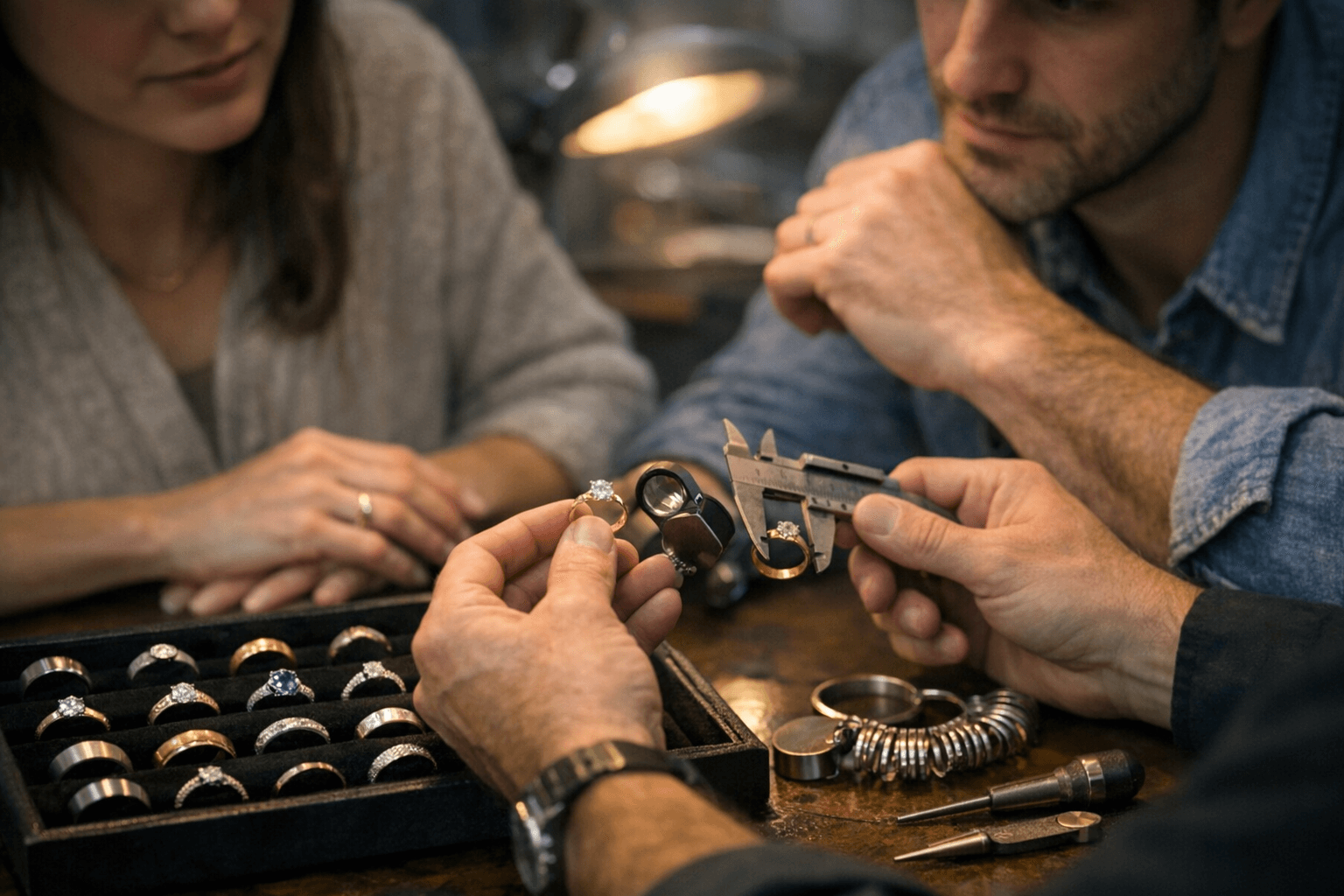
Micro‑engraving: Tiny text or symbols that require magnification. This is the technical route for inconspicuous personalization—often $75–$250—best for those who like subtlety and private meaning rather than obvious declarations.
Practical note: pick the engraving method to match the piece’s surface. Micro‑engraving demands a flat, hard plane; handwriting engraving needs enough metal area to capture the strokes. Tell the maker your method early so the design can be sized right.
Think about resizing and add‑ons before you buy Decide whether you want the option to resize or add elements later because some personalization choices make future changes harder or more expensive. Rings with full pavé or micro‑engraving are tougher to resize; adding a stone later to a bezel or channel setting often means remaking part of the band. Standard resizing for a plain ring typically costs $30–$120, but resizing a ring with stones or engraving can climb to $80–$300 or require a remake. If you expect growth, pregnancy, or uncertain sizing, buy a design that can be cut and soldered without losing the engraving — or ask for an adjustable fit design.
Budget realistically: how bespoke pricing typically breaks down Bespoke and personalized pricing ranges widely, so set tiers before you fall in love with a prototype. Here are realistic buckets to guide choices:
- Budget ($60–$300): Sterling silver or gold‑filled nameplates, simple handwriting engraving on a bracelet, or coordinate engraving on a dog tag. Great for friends, kids’ keepsakes, and casual everyday wearers.
- Mid‑range ($300–$1,500): Solid 14k gold nameplate necklaces, rings with small lab‑grown diamonds, handwriting engraving on gold pieces, or micro‑engraving on a nicer band. Perfect for anniversaries, milestone birthdays, or parents.
- Bespoke/high ($1,500–$5,000+): Custom engagement rings, platinum pieces with mined stones, complex hand‑crafted settings, or full remakes. Choose this tier when you want an heirloom with strict materials or resale value.
These ranges reflect the reality that a simple personalization (a name or coordinates) can be an inexpensive add‑on, while custom design and high‑quality materials multiply cost fast. If you’re commissioning a ring, budget an extra 10–20% for labor over material estimates to cover specialist work like micro‑engraving or hand‑setting.
How to brief a maker so you get what you pay for Give the maker the four essentials from your brief: metal, gemstone type (lab‑grown or mined), personalization method (choose from handwriting engraving, nameplate, coordinate engraving, micro‑engraving), and resize/add‑on needs. Include clear examples: a photo of the handwriting, exact coordinates, or a reference image of a nameplate style. Ask for separate line items in the quote — metal, stones, engraving labor, and future alteration fees — so you can weigh tradeoffs.
- If you want a last‑minute meaningful gift, choose engraving on existing inventory rather than full bespoke creation; same emotional return, lower lead time, and typically $25–$150 faster.
- For sentimental value over sparkle, choose a smaller mined accent with a lab‑grown center to balance cost and story.
- Keep receipts and specs: metal stamp (925, 14k, PT), stone reports, and engraving files; they make future resizing or remakes far easier.
- When in doubt on size, size up slightly for rings intended to be worn daily — narrowing and reshaping usually cost less than enlarging.
A few practical tips from someone who’s wrapped dozens of these
Final word: be intentional and budget for the invisible work Personalized gifts look effortless but require decisions that change cost and future options. Nail the brief — metal, gem type, engraving method, and whether you’ll resize or add later — then choose the budget tier that matches the occasion. That planning lets you turn a small, meaningful customization into a piece the recipient actually wears, treasures, and, if you played your cards right, passes on.
Know something we missed? Have a correction or additional information?
Submit a Tip